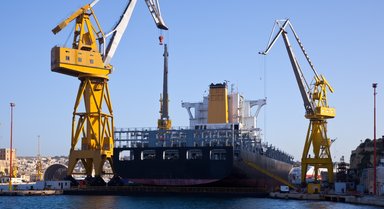
Container crisis and shortage of cars: how to solve in 2025
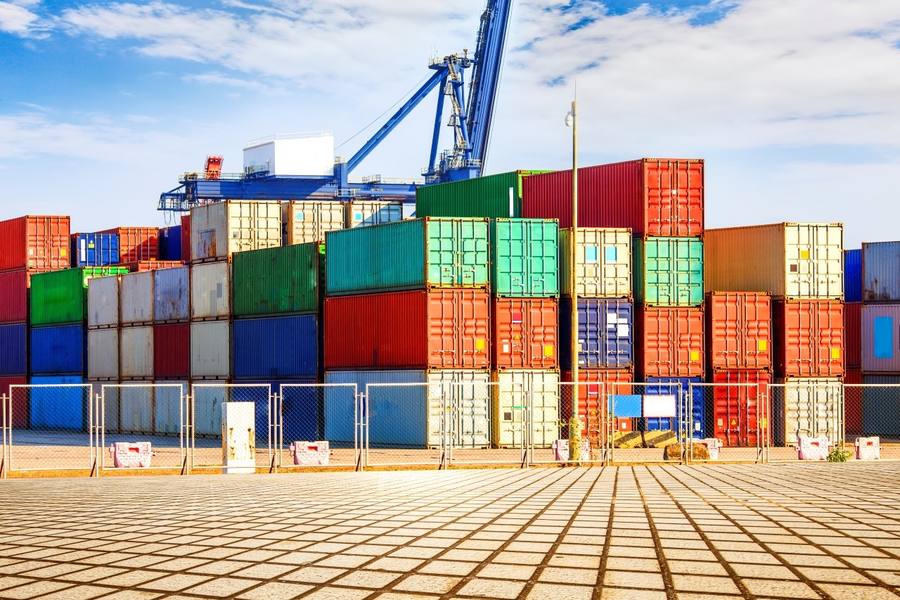
The Container Crisis of 2025 is not so much an acute shortage as the result of worn-out logistics infrastructure caused by global supply imbalances.
В 2025 году мировая логистика продолжает сталкиваться с последствиями контейнерного кризиса, начавшегося ещё в пандемийные годы. Несмотря на частичную стабилизацию, участники внешнеэкономической деятельности всё ещё ощущают дефицит оборудования, перегрузку инфраструктуры и резкие скачки стоимости перевозок. Особенно остро стоит проблема нехватки железнодорожных платформ и контейнеров на ключевых маршрутах из Китая в Европу и страны СНГ.
Разберёмся, каковы причины продолжающегося кризиса, как формируется цена фрахта в новых условиях и что можно сделать, чтобы минимизировать риски при бронировании.
Аналитика по доступности контейнеров в 2025 году
Остаточные последствия COVID-19 и геополитики
Сбой логистических цепочек, начавшийся в 2020 году, до сих пор оказывает влияние. Во многих странах не восстановлено равномерное распределение контейнеров по направлениям. Особенно это заметно в странах, импортирующих больше, чем экспортирующих, например в России, Казахстане и Центральной Азии.
К 2025 году:
- 90% 40-футовых контейнеров (DV и HQ) сосредоточены в прибрежных регионах Китая и Юго-Восточной Азии;
- острая нехватка 20-футовых контейнеров наблюдается на трансказахстанских и трансмонгольских маршрутах;
- увеличился срок оборота контейнера — вместо 45–50 дней цикл достигает 60–70 дней на фоне перегруженных железнодорожных узлов.
Нехватка платформ и вагонов
Железнодорожные операторы сообщают о:
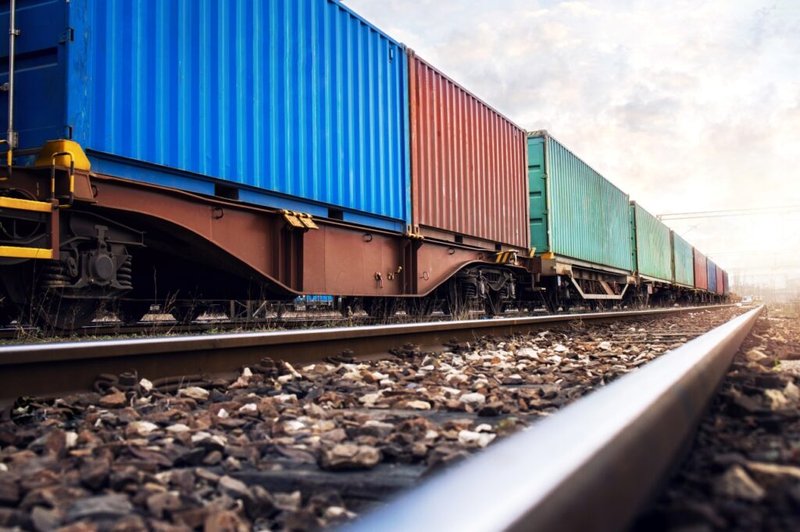
- дефиците фитинговых платформ, особенно на направлении Китай — Казахстан — Россия. По оценкам, не хватает до 25% подвижного состава от текущей потребности;
- сезонных пиках, когда вагоны скапливаются на границах — в мае–июне и октябре.
Реакция рынка
- Крупнейшие китайские экспедиторы и логистические компании, включая Sinotrans и China Railway Express, создают замкнутые цепочки оборота своих контейнеров, ограничивая допуск внешних заказчиков;
- операторы в РФ и странах СНГ вынуждены переходить на собственные контейнеры, как, например, UTLC, KTZ Express и TransContainer.
Как формируется цена фрахта в 2025 году
Стоимость доставки складывается из множества факторов, включая дефицит оборудования и инфраструктурные издержки. Рассмотрим основные составляющие.
Базовые параметры:
- тип контейнера: 20' DV, 40' DV или 40' HQ;
- маршрут: морской, железнодорожный или мультимодальный;
- сезон: в пиковые месяцы стоимость возрастает на 20–40%.
Основные компоненты фрахта:
- Фиксированная ставка перевозчика — базовая цена на контейнер, зависящая от маршрута и спроса.
- Надбавки:
- PSS (Peak Season Surcharge) — надбавка за сезонный пик;
- GRI (General Rate Increase) — общая надбавка, устанавливаемая перевозчиком при нехватке мест;
- BAF (Bunker Adjustment Factor) — топливная надбавка;
- CAF (Currency Adjustment Factor) — компенсация валютных рисков.
- Доступность платформ:
- при нехватке вагонов на маршруте цена может увеличиться на 300–600 USD за контейнер.
- Терминальные сборы и оформление документов — особенно важны при транзите через несколько стран.
Текущие цены по данным на май 2025 года:
- Шанхай — Москва (ЖД): 9 000–11 000 USD / 40HQ;
- Шэньчжэнь — Санкт-Петербург (море + авто): 5 500–6 800 USD / 40HQ;
- Иу — Алматы (ЖД): 3 800–4 500 USD / 40HQ.
Советы по бронированию: как действовать в условиях кризиса
Учитывая нестабильность и ограничения, важно подходить к логистике стратегически. Вот практические советы на 2025 год.
1. Бронируйте контейнеры заранее — за 3–4 недели
На популярных маршрутах вагон и контейнер могут появиться только через 2–3 недели после запроса. Раннее бронирование позволяет:
- получить ставку ниже рынка;
- избежать ручного подтверждения логистами;
- заранее согласовать документы на экспорт.
2. Планируйте экспорт и импорт вне пиков
Избегайте пиковых периодов — апреля–мая и сентября–октября. В это время цены повышаются, а сроки сдвигаются. Альтернативное решение — перенос отгрузки на межсезонье — июль–август или январь–февраль.
3. Работайте с операторами, у которых есть собственные контейнеры
Китайские и российские операторы с собственным парком:
- быстрее подтверждают отгрузку;
- не зависят от аренды у третьих лиц;
- предлагают скидки при обратной загрузке.
4. Используйте бондовые зоны
Размещение груза в бондовых складах Китая позволяет выиграть время и снизить риски:
- можно оформить документы заранее;
- гибче подходить к бронированию платформы;
- распределять объёмы между несколькими получателями.
5. Оценивайте альтернативные маршруты
- через порты Владивостока (море + ЖД);
- через южные маршруты, например Китай — Иран — Россия;
- мультимодальные схемы с перевалкой в Казахстане и Грузии.
Контейнерный кризис 2025 года — не столько острейший дефицит, сколько результат изношенной логистической инфраструктуры, вызванной глобальными перекосами в поставках. Несмотря на сложности, многие компании находят решения за счёт планирования, грамотного выбора маршрутов и работы с проверенными операторами.
Главное правило — начинайте логистику не с транспорта, а с планирования: маршрут, сезон, объём, документы. В этом случае даже в условиях дефицита ваш груз будет доставлен точно в срок.