Snap&Get Blog
Without “water” and advertising – only practical knowledge, real cases and working tools
MarketingMarketing

Without “water” and advertising – only practical knowledge, real cases and working tools
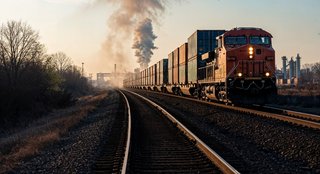
Kazakhstan, having a developed network of GU-12 coordination points, actually retains control over most of the cargo moving between the countries.

The export of perishable goods requires many certificates, checks and approvals.
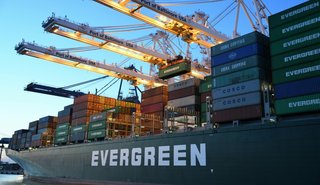
Maritime logistics in 2025 has become more transparent and technological, but also more complex.
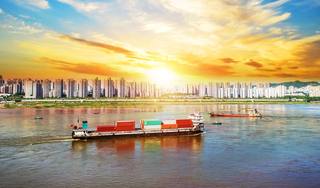
According to experts, tariffs may rise by 15-20% in autumn, and delivery times will increase by 5-10 days.

The inspection begins at the stage of storage and processing and continues until the moment of shipment.
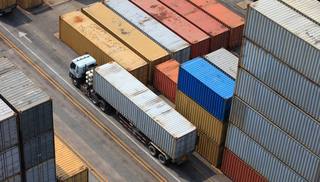
The “container surge” is not just a short-term trend, but an indicator of China’s long-term impact on the global economy.

Understanding what a logistics rate consists of helps a business plan costs, negotiate with carriers and find optimal solutions.

Starting a production line is not only a technical but also an organizational process.

In 3-5 years, such robots can become the standard not only for large distribution centers, but also for medium-sized warehouse complexes.

In China, a discount is not a mercy, but the result of respectful and competently built relationships.
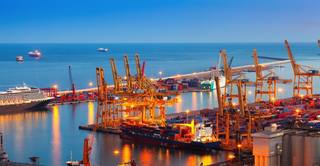
In the next 5 to 10 years, standards will determine who can deliver goods quickly and efficiently around the world – and China wants to be the one who writes those rules.

Only enterprises capable of providing full phytosanitary and documentary control will be able to enter the Chinese market in a stable and safe manner.

VZTK is an effective tool for businesses actively working with imports.
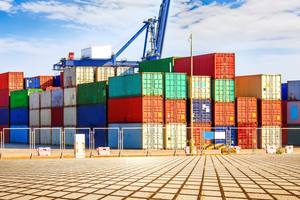
The Container Crisis of 2025 is not so much an acute shortage as the result of worn-out logistics infrastructure caused by global supply imbalances.

The region is well-suited for the food industry, maritime logistics, Northeast Asia supplies and privately-branded OEM production.

