The Arctic as Geopolitics and Economics
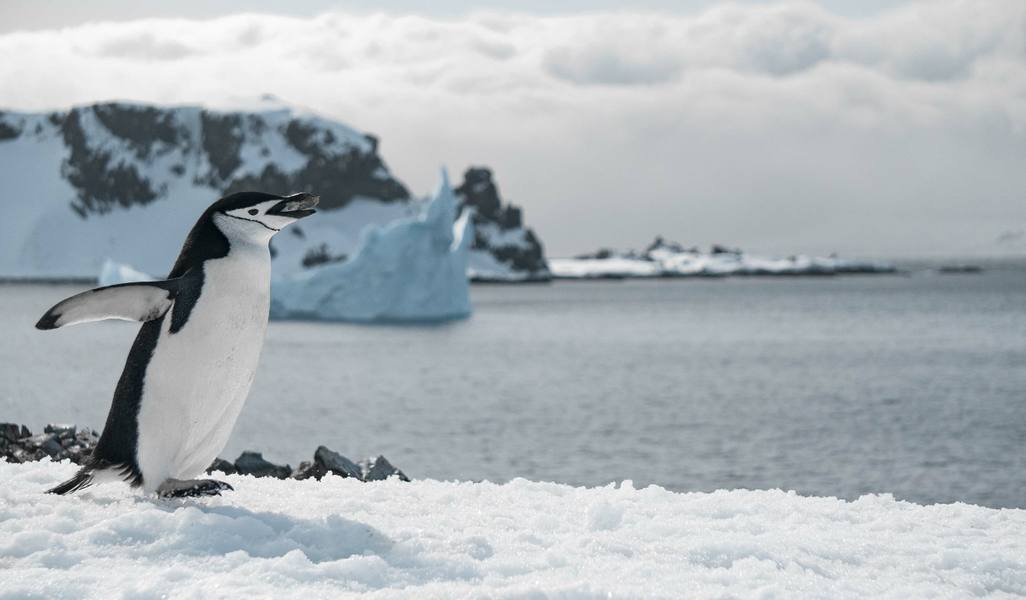
Until recently, the Arctic was perceived as a remote and inaccessible zone of interest only for scientific research. Today it is one of the key regions of global politics and economy.
Climate change, technological progress and the growth of world trade have turned the Arctic into a strategic space where the interests of major powers intersect. And at the heart of this struggle. - logistics.
The Arctic as an Economic Resource
The Arctic region has great potential:
- substantial oil and gas reserves
- rare-earth
- bioresources
- new transport routes
It is estimated that much of the world’s undiscovered resources are located here. This makes the Arctic not just a territory, but an economic asset on a global scale.
Logistics as a key factor
The main value of the Arctic - Not just resources, but ways to move them.
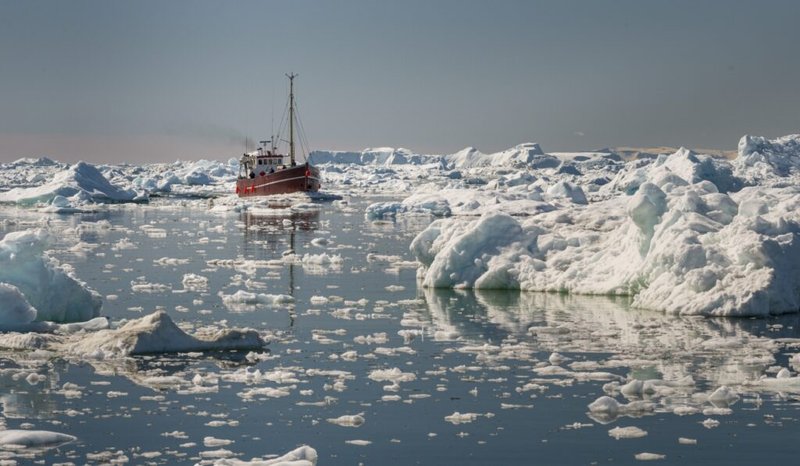
Of particular importance is the Northern Sea Route - The shortest route between Europe and Asia.
He gives:
- shortening
- fuel-cutting
- alternative
In the conditions of congestion and instability of the classical ways, this becomes critically important.
Why Logistics Control = Control of the Arctic
There is a simple rule in the Arctic:
Whoever controls the routes controls the region.
The reasons are obvious:
- Transportation determines access to resources
- Infrastructure creates presence
- routes create economic dependence
Control of logistics means the possibility of:
- handle
- influence international trade
- political influence
Major players
Arctic - Area of interest of several countries, including:
- Russia
- USA
- China
- Norway
Each of them has its own strategy, but approaches differ.
Russia: Infrastructure and Control
Russia is betting on the development of the Northern sea route:
- icebreaker
- port
- regulation
This makes it possible to control the bulk of Arctic logistics.
China: Strategy for Presence
China sees the Arctic as part of global logistics, promoting the concept of the “Polar Silk Road”.
His interest:
- Participation in infrastructure projects
- route
- supply diversification
U.S. and Allies: Balance of Influence
The U.S. and Nordic countries focus on:
- military presence
- international law
- Limiting the dominance of other players
Route Economy: New Competition
Traditional routes such as the Suez Canal remain important but vulnerable.
The Arctic offers an alternative:
- shortcut
- Less political risk (in theory)
- New logistics opportunities
However, there are limitations:
- climate
- seasonality
- infrastructure
Technology as a condition for development
Without technology, the Arctic remains unavailable.
Key areas:
- icebreaker
- satellite navigation
- Arctic infrastructure
- digital control systems
Technology makes it possible to turn the region into an economic corridor.
The Future of the Arctic: Economics or Geopolitics
Arctic - This is a rare example where economics and politics are almost inseparable.
- Resources require control
- Logistics requires infrastructure
- Infrastructure requires presence
All this forms a closed system, where economic interests inevitably turn into geopolitical ones.
The Arctic is becoming one of the key regions of the XXI century.
Control of logistics here means not just the management of transportation, but the impact on global flows of resources and goods. That is why the struggle for the Arctic - It's not a question of the future. She's coming.