Nakhodka port and railway: how the container actually moves in Russia

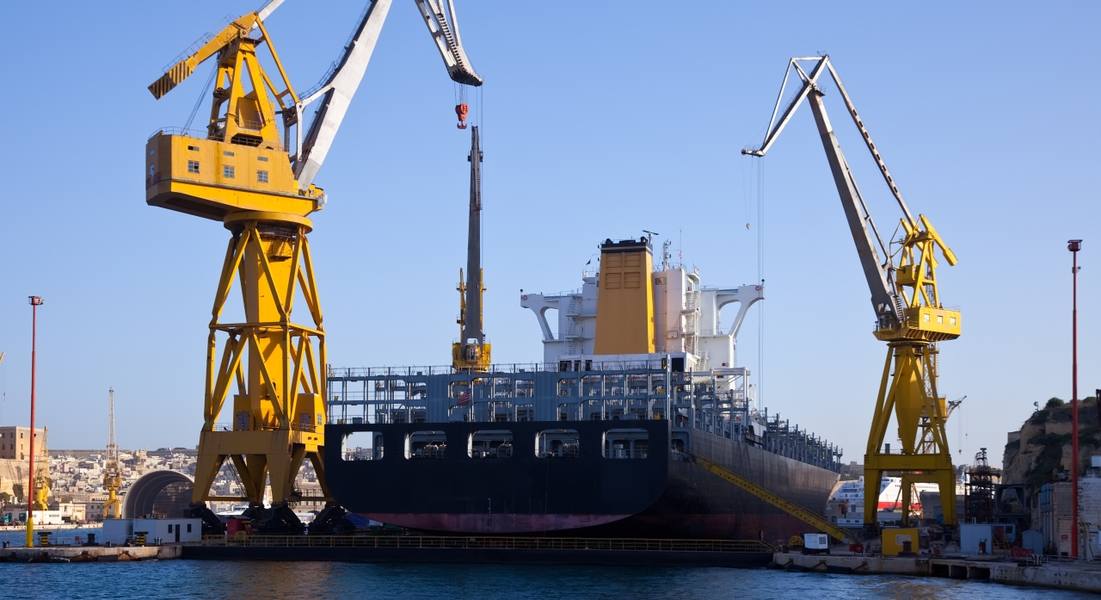
Container logistics through Nakhodka is a complex, multi-layered system where everything is interconnected.
Delivery of the container - It's not just a path from point A to point B. It is a complex chain where every error or delay at one stage affects the entire process.
One of the key components of this system - The find and port of Port East. It is here that the movement of a huge volume of imported goods begins, which are then sent by rail inland.
How containers are handled in the port
The process begins long before the ship arrives and goes through several critical stages.
Preparation of documents
Before the arrival of the ship, a basic package is formed:
- bill of lading
- invoice
- packing-sheet
Mistakes here. - One of the most common causes of delays. Even minor differences can stop the whole process.
Customs clearance
After the arrival of the ship, interaction with customs begins.
Freight forwarders:
- file
- escort
- Coordinate the delivery process
This stage directly affects the speed of further logistics.
Unloading and transshipment
Containers are unloaded from the ship and moved to the terminals.
Modern facilities, including Liebherr cranes, can handle up to 30 containers per hour.
After unloading, the containers are placed in temporary storage areas.
Intra-port forwarding
This is an invisible but critical part of the process.
It includes:
- timing
- sealing
- export coordination
- downtime
Without proper forwarding, even a quickly unloaded container can get stuck in port.
How railway shipments are formed
After customs clearance, the container is ready for the next stage. - I'm going by rail.
From terminal to station
The container is delivered:
- motorized
- or by inland rail
to Nakhodka station.
Formation of compositions
Containers are grouped in the following directions:
- Moscow
- region
- logistics hubs
The companies create regular container trains for specific routes.
Highway traffic
Main route - The Trans-Siberian Railway.
It is a key artery connecting the Far East with the central part of the country.
Where the system fails
Despite the logistics, the system regularly faces overloads.
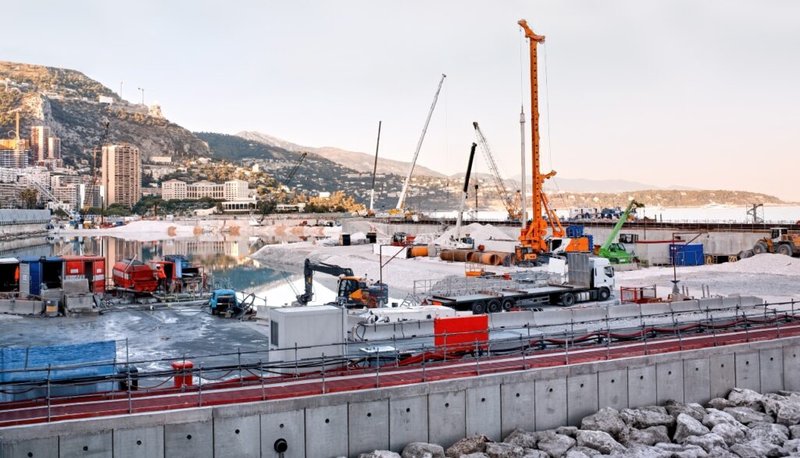
Terminal overflow
The ports of the Far East are at their limit.
Facts:
- up to 80-100% loading
- Thousands of containers awaiting export
- case-case - Up to 7,000 containers in stock
The result - delays and delays.
Shortage of rolling stock
One of the key challenges - shortage of wagons.
Especially:
- Fitting platforms (specialized for containers)
- half-car
Semi-cars are often used for coal and their owners are not interested in container shipping due to the long turnover.
Problems on the railway
Even after leaving the port, the difficulties do not end.
Limited capacity
Russian railways are forced to distribute the load.
Priority is often given to:
- coal
- cargo
Container transportation is subject to restrictions.
Congestion at transshipment stations
Containers shipped in gondola cars require overloading.
Key nodes, such as Novosibirsk, are overloaded:
- hundreds of cars in line
- wait up to 2.5 weeks
Imbalance of freight flows
Imports from the East far exceed exports.
This leads to:
- lack of empty platforms
- delays in return of wagons
- System failures in logistics
Delivery time: from optimistic to real
After customs clearance, the timing can vary greatly.
Landmarks:
- Port Vostochny → Moscow (Electrougli): from 6 days
- Moscow (Selatino): about 12 days
- Russian regions: 13–22 days
In practice, however, the deadlines may be 30+ days.
What affects the speed of delivery
It is not the route that determines the timing, but the details.
Type of rolling stock
- Fitting platforms → faster (average ~14 days)
- Gondola cars longer (up to 30 days)
Infrastructure workload
Popular destinations:
- togliatti
- Samara
- Kazan
They can wait up to a month for shipment.
Alternative solutions
A multimodal scheme is used:
- transshipment
This reduces the time to:
5-12 days before the European part of Russia
Container Logistics through Finding - It's a complex, multi-layered system where everything is interconnected.
There is no single problem or solution:
- overloaded
- railcar shortage
- limited infrastructure
That’s why the delivery time is today. - This is not a fixed value, but the result of the balance of the whole system.
Companies that understand this logic and plan ahead get a key advantage. - predictability.