Greenland and the New Arctic Economy: Resources, Logistics and Geopolitics of the Future
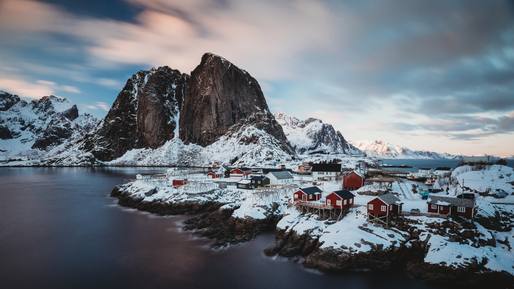
If Arctic navigation becomes widespread, Greenland will be at the intersection of important international trade routes.
VADEEconomy
This section is devoted to the analysis of foreign trade processes and features of customs regulation. We consider current duties, fees and taxes related to the export and import of goods.
If Arctic navigation becomes widespread, Greenland will be at the intersection of important international trade routes.
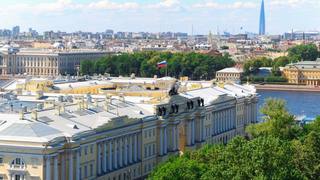
Every year, agreements worth hundreds of billions of rubles are signed at SPIEF. Many of them directly affect the market.

Today, global energy trade is built around several key sea arteries, through which millions of tons of raw materials pass daily.
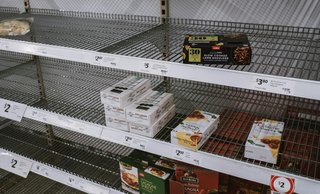
Countries are beginning to fight for fertilizer, for grain, for water, for logistics routes, for control of agricultural resources.
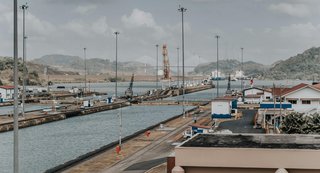
The Panama Canal remains one of the most strategically important sites on the planet. Its importance goes far beyond logistics.

Opening an account in VTB Shanghai is not a formal procedure, but a full-fledged business audit
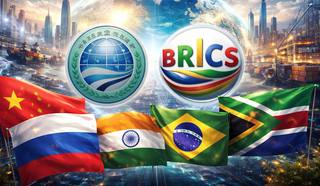
The SCO and BRICS now form a significant part of the global economy.

Illusions, miscalculations and real risks

Import substitution, new taxes, tariff policy and mandatory import certification

Understanding the differences is critical for investors, manufacturing companies and logistics operators
Here you will find information about the key risks and restrictions of foreign economic activity of business, as well as bans and sanctioned goods. We analyze current trends in international supplies, the development of trade relations between states and the specifics of duty-free import. Special attention is paid to the essence of parallel imports and the list of permitted goods. This is your resource for understanding all aspects of foreign economic customs activities and building an effective strategy for foreign trade operations.

