DAT, DAP, DDP: How to understand
DAT, DAP and DDP are the three key delivery terms focused on delivering the goods to the endpoint.
IncotermsLogistics

The section is devoted to incoterms: terms of supply, rules and terms that apply in international trade. Here we explain how to choose the terms of incoterms and correctly fix them in the supply contract.
DAT, DAP and DDP are the three key delivery terms focused on delivering the goods to the endpoint.
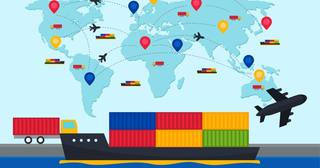
In this article, we will discuss the differences between CPT and CIP, and in which cases they are most effective.
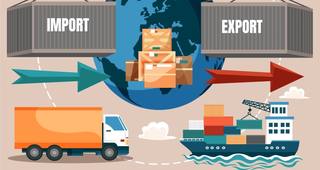
Among all Incoterms conditions, FAS (Free Alongside Ship) and FOB (Free On Board) are particularly important for sea and river transportation.
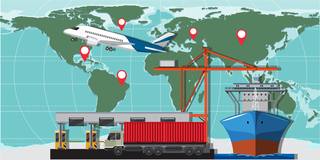
FCA (Free Carrier) is one of the most flexible and common Incoterms terms for international trade.

In this article, we will discuss why EXW is not always profitable, and what should be considered before choosing this delivery condition.

Knowledge of Incoterms is critical for all participants in international trade.
Incoterms is one of the key instruments of foreign trade: it determines where the responsibility of the seller ends and the responsibility of the buyer begins, who organizes transportation, insurance, customs procedures and what risks pass at what stage. In the articles of the section, we analyze the logic of the Incoterms rules and typical situations of applying the terms of delivery in the contract - so that they are easier to reconcile with logistics and finance.
Separately, we consider popular terms and practical nuances: FCA, FOB, DAP and DDP – with an emphasis on “pitfalls” in real supply chains. We compare similar options (for example, CIP and CPT) and explain how the choice of the term affects shipping costs, insurance coverage, cargo control and the risks of delays. We also update the materials taking into account Incoterms versions and show how to correctly formulate the delivery condition in the documents so as not to leave controversial interpretations.

