Основы фрахта: понятие и ключевые аспекты
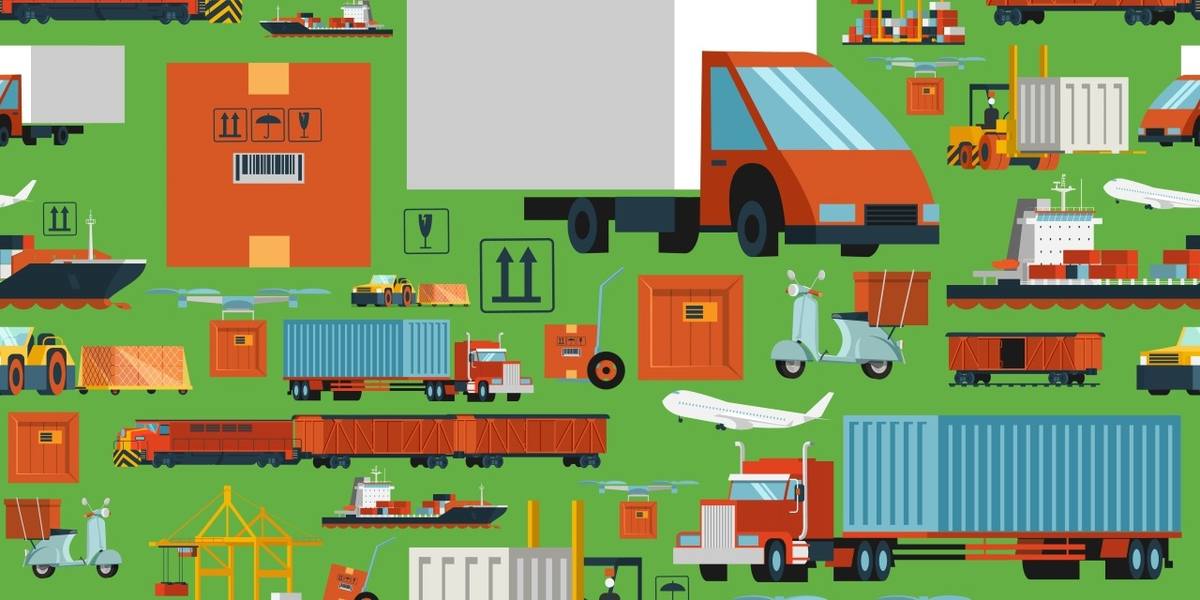
Фрахт — это сложное понятие, включающее множество аспектов, от выбора вида транспорта до управления затратами.
Фрахт — это ключевое понятие в сфере логистики, которое обозначает стоимость перевозки грузов по различным видам сообщения. Будь то морской, железнодорожный, автомобильный или авиационный транспорт, фрахт включает в себя не только оплату за саму транспортировку, но и дополнительные расходы, связанные с обеспечением доставки. Разберем, что именно включает это понятие, какие факторы на него влияют и как оно применяется на практике.
Определение фрахта
Фрахт — это совокупность платежей за услуги по перевозке грузов, включая:
- Плату за транспортировку: она формируется исходя из расстояния, типа транспорта и объема груза.
- Дополнительные расходы: такие как портовые сборы, оформление документов, страхование груза, таможенные пошлины, топливные и экологические сборы.
Таким образом, фрахт охватывает все аспекты, связанные с доставкой товаров, начиная от погрузки и заканчивая выгрузкой в пункте назначения.
Виды фрахта: морские и авиационные перевозки
Морской фрахт
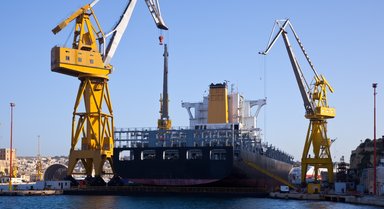
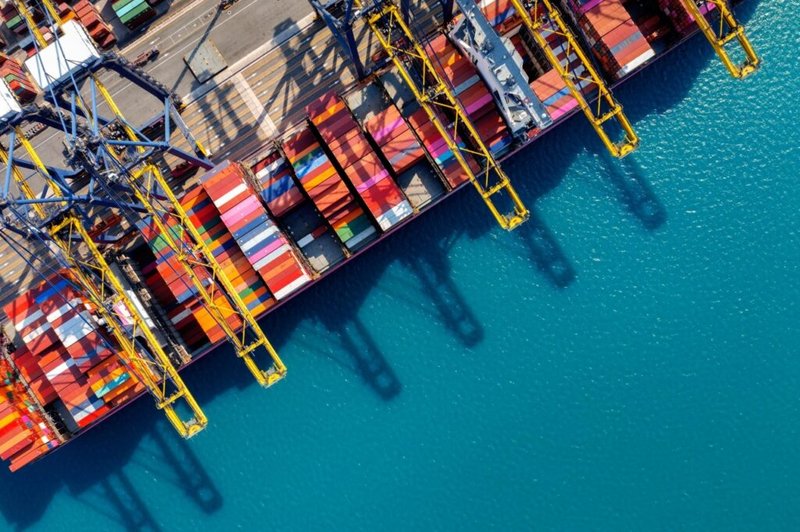
Это один из самых экономичных способов транспортировки крупных партий грузов. Он делится на два основных типа:
- FCL (Full Container Load): аренда целого контейнера для перевозки.
- LCL (Less Container Load): сборные грузы, когда несколько отправителей делят контейнер.
Морской фрахт подходит для перевозки больших объемов товаров, таких как техника, мебель, стройматериалы и промышленные изделия. Однако сроки доставки могут быть долгими из-за длительности морских рейсов и процедур в портах.
Авиационный фрахт
Самый быстрый способ доставки грузов, особенно на международных маршрутах. Он используется для дорогостоящих, срочных или хрупких товаров, например, электроники, медикаментов или модной одежды.
- Преимущества: высокая скорость, надежность.
- Недостатки: высокая стоимость, ограничения по весу и объему груза.
Виды фрахта: железнодорожные и автомобильные перевозки
Железнодорожный фрахт
Популярный вид транспорта для доставки грузов по суше, особенно на дальние расстояния. Железнодорожные перевозки отличаются стабильностью и большой грузоподъемностью. Например, они часто используются для доставки нефти, угля, сельскохозяйственной продукции или промышленных товаров.
- Преимущества: низкая стоимость, экологичность.
- Недостатки: привязка к железнодорожной инфраструктуре.
Автомобильный фрахт
Чаще всего используется для перевозки грузов на короткие и средние расстояния. Автомобильные перевозки обеспечивают доставку «от двери до двери».
- Преимущества: гибкость маршрутов, оперативность.
- Недостатки: зависимость от погодных условий и загруженности дорог.
Основные аспекты фрахта
- Стоимость фрахта. Стоимость рассчитывается на основе объема и веса груза, выбранного вида транспорта и маршрута. Например, морской фрахт дешевле, но требует больше времени, тогда как авиационный дороже, но быстрее.
- Влияние экономических факторов. Цены на топливо, глобальные торговые отношения и спрос на определенные виды транспорта могут влиять на стоимость фрахта. Например, в пиковые сезоны, такие как новогодние праздники, цены могут возрастать.
- Юридические аспекты. Заключение договора на фрахтование включает определение ответственности сторон, маршрута, сроков доставки и страхования груза. Особенно это важно при международных перевозках, где необходимо учитывать местное законодательство.
- Страхование фрахта. Чтобы избежать финансовых потерь, многие компании страхуют свои грузы. Страхование покрывает риски, связанные с повреждением или потерей товаров во время транспортировки.
Факторы, влияющие на стоимость фрахта
- Тип груза: грузы, требующие особых условий перевозки (например, рефрижераторные контейнеры для продуктов), обходятся дороже.
- Габариты и вес: чем больше объем и масса, тем выше будет стоимость. Для крупных грузов может быть применена схема оплаты на основе объемного веса.
- Сезонные колебания: в периоды повышенного спроса, такие как осенний сезон закупок, стоимость фрахта увеличивается.
- Маршрут и география: транспортировка в труднодоступные регионы требует дополнительных затрат, например, использования нескольких видов транспорта.
Роль фрахта в логистике
Фрахт — это неотъемлемая часть цепочки поставок. От его правильного расчета и управления зависит эффективность всей логистической системы компании. Компании, занимающиеся международной торговлей, часто заключают долгосрочные контракты с транспортными операторами, чтобы минимизировать риски и оптимизировать затраты.
Фрахт — это сложное понятие, включающее множество аспектов, от выбора вида транспорта до управления затратами. Понимание особенностей фрахта позволяет компаниям оптимизировать свои логистические процессы, снижать затраты и обеспечивать своевременную доставку товаров. Учитывая, что стоимость и условия фрахта зависят от множества факторов, важно подходить к его организации с учетом всех нюансов и профессиональной экспертизы.