Marine fare under the microscope
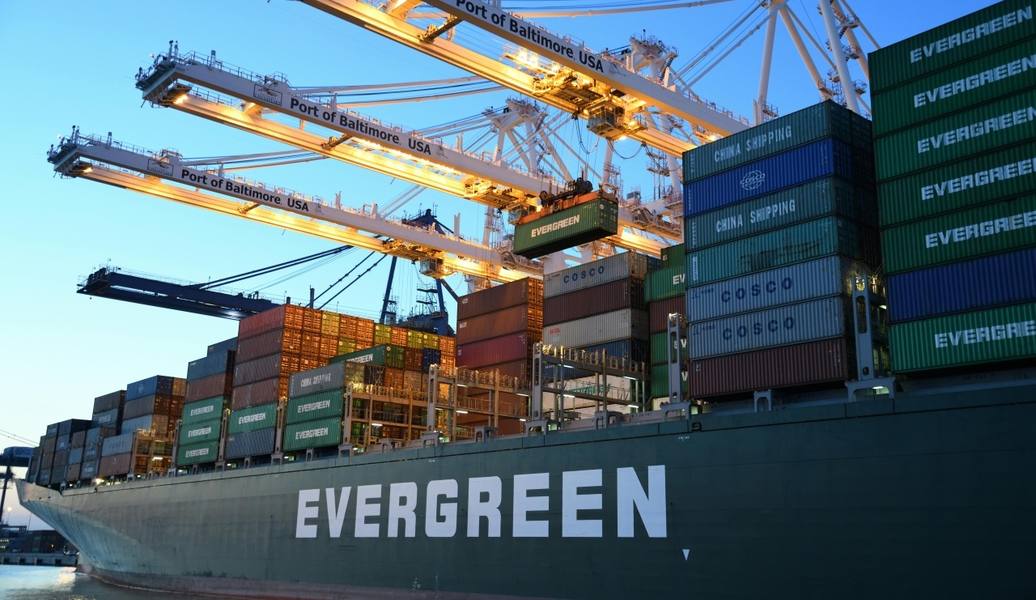
Maritime logistics in 2025 has become more transparent and technological, but also more complex.
Maritime logistics is the basis of world trade.
More 80% of all goods The world is moving by sea, and China remains the largest player. About 30% of the world’s freight turnover It comes from Chinese ports.
But in 2025, the sea tariff is no longer just the price per container.
It's variable-systemNot only is distance and tonnage important, but politics, climate, fuel, insurance and even port digitalization.
What is a sea tariff: basic concepts
Freight Rate - the basis of the tariff
The sea fare (freight rate) is the amount that a shipping line charges for the carriage of a container or tonnage of cargo from the port of departure to the port of destination.
The tariff may be calculated:
- per container (per container) - most often in the case of FCL (full load),
- per cubic meter / ton (per m3 or ton) - with LCL (collection cargo).
Tariff structure
The base freight rate is supplemented by dozens of surcharges, each reflecting risks, costs or regulatory measures.
What is the sea tariff
We will analyze the key elements that form the price for transporting one container from China, for example, to Russia, Europe or Southeast Asia.
Basic freight rate (Base Rate)
This is the basic cost of transportation - includes:
- costs of operating the vessel,
- crew and maintenance,
- use of containers and terminals,
- administrative costs of the shipping line.
Example: The rate for a 40HQ container from Shenzhen to St. Petersburg in October 2025 is about $2,200but without additional fees.
Surcharges and surcharges
Each allowance reflects the specific costs of the carrier. Here are the basics:
Bunker Adjustment Factor (BAF)Fuel surchargeCompensates for fluctuations in ship fuel pricesCAF (Currency Adjustment Factor)Currency surcharge Covers exchange rate fluctuationsPSS (Peak Season Surcharge)Seasonal surcharge Applicable during periods of peak demand (autumn, New Year)EIS (Equipment Imbalance Surcharge)Deficiency of containers Charged if there is a shortage of containers in the regionTHC (Terminal Handling Charge)Terminal charges Container handling at the port of departure/arrivalDOC Fee/AMS/ENSDocumentary fees Electronic declarations, cargo registration, BL registration
Fact: On average, allowances may be 20-40% from the base rate, and for peak transportation - up to 60%.
Fuel Factor (Bunker Fuel Cost)
Since 2020 it has been operating IMO 2020limiting the sulphur content of marine fuel to 0.5%.
This has forced carriers to use the more expensive low-sulphur fuel (VLSFO).
In 2025, the cost of fuel increased by approximately 15-18% geopolitical risks and problems in the Red Sea.
Accordingly, BAF has again become one of the largest components of the tariff.
Cost of container and packaging turnover
The global container market is experiencing an imbalance: a shortage of empty containers in Asia and a surplus in Europe.
So the lines charge. EIS (Equipment Imbalance Surcharge) Especially on routes with uneven flow.
Example: Exports from China to Russia are stable, but imports are lower → return of containers is more expensive → EIS on the China-Russia route in 2025 increased on average by $150-200 per container.
Insurance and route risks
- In 2024-2025, cases of delays in the Suez Canal and the Indian Ocean increased.
- Lines enter Risk Surcharge / Security Feeespecially for routes through dangerous zones (Middle East, South China Sea).
External factors affecting the tariff
Geopolitics and route conflicts
Incidents in the Red Sea and sanctions against a number of shipping companies have caused a redistribution of traffic:
- Some of the lines bypass Africa.
- delivery time increased by 10-15 days
- Freight increased by 20-30%.
seasonality
Peak – August–November (before Chinese New Year and Western Christmas).
The minimum is February-March, when the factories are closed.
PSS during peak season may add to the tariff $300-600 per container.
Environmental requirements
New IMO initiatives and China's "green ports" are boosting alternative fuel vessels, but raising costs.
However, companies that use eco-friendly routes receive discount (up to 10%).
Logistic digitalization
Since 2024, China has been actively implementing Electronic tickets and digital BL (Bill of Lading).
This reduces administrative costs and speeds up clearance, but requires connectivity to certified platforms.
How to manage marine logistics costs
Understand the tariff structure
Ask the forwarder for a detailed calculation:
- base freight,
- port charges,
- fuel and seasonal allowances.
This will help to avoid “hidden” payments.
Use FOB instead of CIF when importing
If you buy goods under CIF (freight and insurance included), then factory controls transportation and margin.
Prix FOB You choose the line, the fare and the route, which means you control the price.
Plan shipments in advance
Early booking of containers (3-4 weeks) allows you to fix the rate before the start of the peak season.
Group Supplies (LCL → FCL)
If you often ship small shipments, combining multiple orders into a single FCL reduces the price per unit of goods per unit. 10-25%.
Consider alternative ports
Sometimes it’s better to send it through. Ningbo or QingdaoIt's more than overloaded Shanghai or Shenzhen.
The difference in tariff can reach $300-500 per container.
Use multimodal routes
The combination of sea + railway (for example, the port of Lianyungang – Zhengzhou – Moscow) often comes cheaper and faster than a purely sea route through Europe.
Example of calculation (conditional, 2025)
Position Cost: Shenzhen → St. PetersburgBasic freight (40HQ)2,200BAF (fuel)220THC (terminal charges)180PSS (seasonal surcharge)300EIS (container imbalance)150CAF (currency surcharge)80Documentary and insurance fees70A total of 3 200 USD per container
With regular deliveries (3-5 containers per month), the tariff can be reduced to 2,700–2,800 USD through negotiations and contractual rates.
Mistakes to avoid
- Do not check included fees - especially BAF, THC and PSS.
- Compare tariffs without taking into account the route and timing Cheap freight can mean longer shipping.
- Ignoring insurance Damage or loss of a container without insurance can nullify profits.
- Depending on a single line or freight forwarder With interruptions, the price and timing soar.
Sea fare is a strategy, not just a price
Maritime logistics in 2025 has become more transparent and technologically advanced. harder.
The price per container is the result of dozens of factors, from the yuan to the situation in the Suez Canal.
Those who understand the tariff structure and know how to plan logistics in advance gain a competitive advantage:
- stable supply,
- predictable costs,
- Less fines and downtime.
The main rule of modern import: Manage the route rather than waiting for a bill from the freight forwarder.