Kazakhstan is the key regulator of GU-12 in 2025
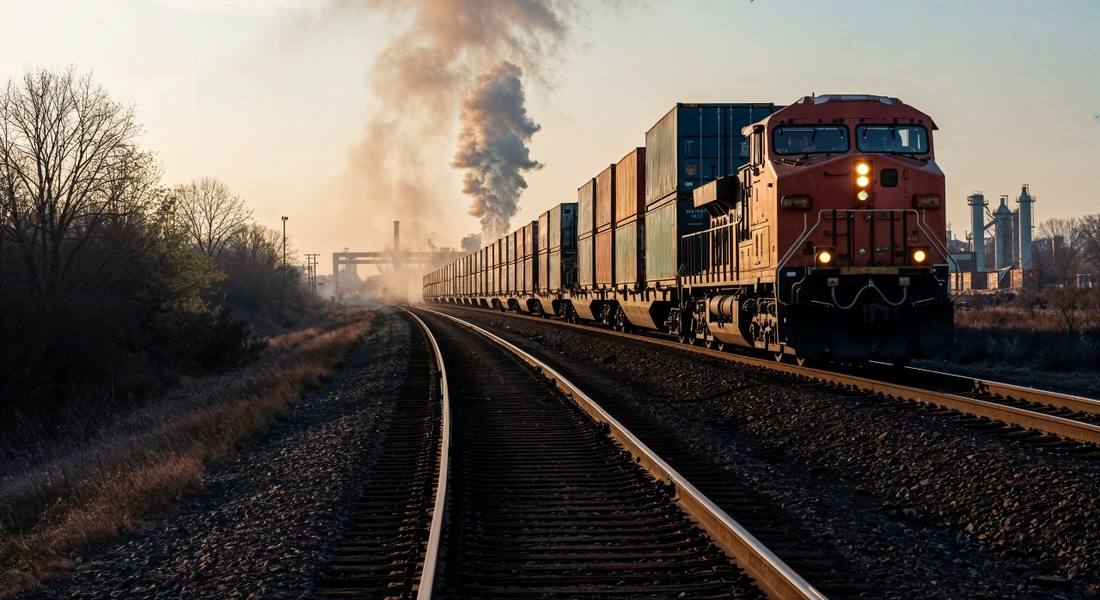
Kazakhstan, having a developed network of GU-12 coordination points, actually retains control over most of the cargo moving between the countries.
Республика Казахстан традиционно занимает центральное место в транзите между Россией, странами Центральной Азии, Китаем и Южным направлением (Узбекистан, Туркменистан, Афганистан, Иран). География положения делает страну естественным координатором транзитных потоков, а наличие единой инфраструктуры с Россией и Белоруссией – ключевым участником регулирования перевозок по накладным формы ГУ-12.
К 2025 году значение Казахстана еще больше выросло – благодаря модернизации инфраструктуры, усилению роли национального оператора и перераспределению транзитных маршрутов после изменения политико-экономических условий в регионе.
ГУ-12 как унифицированная форма оформления грузов является обязательным инструментом для согласования транзита. И именно Казахстан сегодня определяет большую часть правил, квот, ограничений и условий для перевозчиков, проходящих через территорию страны.
Причины доминирования Казахстана в регулировании ГУ-12
Контроль ключевых транзитных коридоров
Через Казахстан проходит сразу несколько крупнейших железнодорожных направлений региона:
- Север–Юг (Россия – Казахстан – Туркменистан – Иран);
- Запад–Восток (Китай – Казахстан – Россия/Европа);
- Центральный транзит (Китай – Казахстан – Узбекистан).
Каждый из этих маршрутов требует единого регулятора, который способен устанавливать правила пропуска и согласования. Казахстан, располагая развитой сетью пунктов согласования ГУ-12, фактически удерживает контроль над большей частью грузов, перемещающихся между странами.
Политика усиления роли национального оператора
Национальный оператор «Қазақстан Темір Жолы» (КТЖ) за последние годы значительно расширил инструменты регулирования:
- цифровизация разрешений;
- единые тарифные окна;
- интегрированные системы проверки грузов;
- усиление контроля за транзитом через погранпереходы.
Это привело к тому, что большинство перевозчиков теперь вынуждены получать разрешения именно через Казахстан, независимо от направления движения.
Рост транзита из Китая
К 2025 году Китай значительно увеличил объемы грузов, следующих в Среднюю Азию и Европу. Большая часть этих потоков идет либо через Достык – Алашанькоу, либо через Хоргос – Алтынколь. Оба перехода находятся в Казахстане – а значит, Казахстан регулирует разрешения ГУ-12 для всех грузов, следующих далее по СНГ.
Практика согласования ГУ-12 в 2025 году: что изменилось
Новые правила и требования
В 2025 году были внедрены несколько важных изменений:
- введены обязательные квоты для определенных категорий грузов (зерно, нефтехимия, контейнеры);
- усилены требования к проверке происхождения груза;
- введена дополнительная верификация грузоотправителя и получателя;
- сокращены сроки выдачи разрешений, но увеличено количество автоматических отказов при несоответствии данных.
Рост количества отказов по формальным причинам
Основные причины отказов:
- несоответствие маршрута заявленным коридорам;
- ошибки в кодировке грузов (особенно при мультимодальных схемах);
- попытка транзита через перегруженные узлы;
- несогласованность тарифной части и недействительность договора перевозки.
Бизнес отмечает, что в 2025 году процесс стал строже, но более прозрачным: правила едины и применяются ко всем перевозчикам.
Концентрация контроля на ключевых узлах
Наиболее критичными стали переходы:
- Достык – Алашанькоу;
- Алтынколь – Хоргос;
- Сарыагаш – Келес;
- Болашак – Серехс;
- Бейнеу – Кунград.
Именно через них проходят основные трансграничные потоки, а значит – и большинство разрешений ГУ-12.
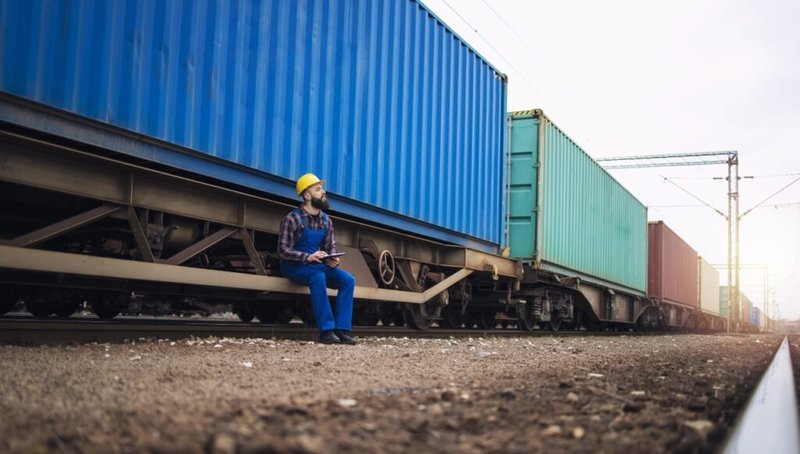
Влияние Казахстана на региональные перевозки: выгоды и риски
Положительные эффекты
- Унификация правил: перевозчики работают по единому стандарту, что снижает расходы.
- Повышение скорости согласования: цифровые инструменты ускорили выдачу разрешений.
- Предсказуемость транзита: фиксированные тарифы и прозрачная процедура.
- Рост возможностей для мультимодальных схем: интеграция с автологистикой и портами Каспийского моря.
Риски и ограничения
- Монополизация процесса: Казахстан фактически стал единственным центром принятия решений по большинству ГУ-12.
- Перегрузка инфраструктуры: ряд переходов в 2025 году работал на предельных мощностях.
- Зависимость других стран: Узбекистан, Кыргызстан и Туркменистан в значительной степени зависят от решений КТЖ.
- Тарифные риски: Казахстан получил возможность гибко управлять стоимостью транзита.
Прогноз на 2026 год и роль Казахстана в будущем
Укрепление позиций в регионе
Ожидается, что Казахстан сохранит и даже усилит статус главного регулятора разрешений ГУ-12 благодаря:
- запуску дополнительных логистических центров;
- модернизации погранпереходов;
- увеличению пропускной способности линий на восточном направлении.
Возможные изменения в правилах ГУ-12
Эксперты прогнозируют:
- переход к полностью автоматизированной системе выдачи разрешений;
- появление категорий «зеленого коридора» для проверенных перевозчиков;
- расширение списка товаров, требующих квотирования;
- внедрение дополнительного мониторинга происхождения груза из-за глобальных санкционных условий.
Рост влияния Казахстана на цепочки поставок
Это особенно актуально для следующих направлений:
- Китай → Узбекистан / Туркменистан / Кыргызстан;
- Россия → Иран;
- Европа → Казахстан → Центральная Азия.
По итогам 2025 года Республика Казахстан окончательно закрепила за собой статус главного регулятора железнодорожных разрешений ГУ-12. Благодаря географическому положению, модернизации инфраструктуры и политике централизации управления транзитом Казахстан стал ключевым звеном в перевозках по всему региону.
Это приносит стабильность и прозрачность логистике, но одновременно усиливает зависимость соседних стран от решений казахстанского регулятора.
Читайте также: https://snapget.su/logistika/vidy-logistiki/ocherednost-soglasovaniya-gu-12-v-2026-godu/.