Rail logistics within the SCO framework
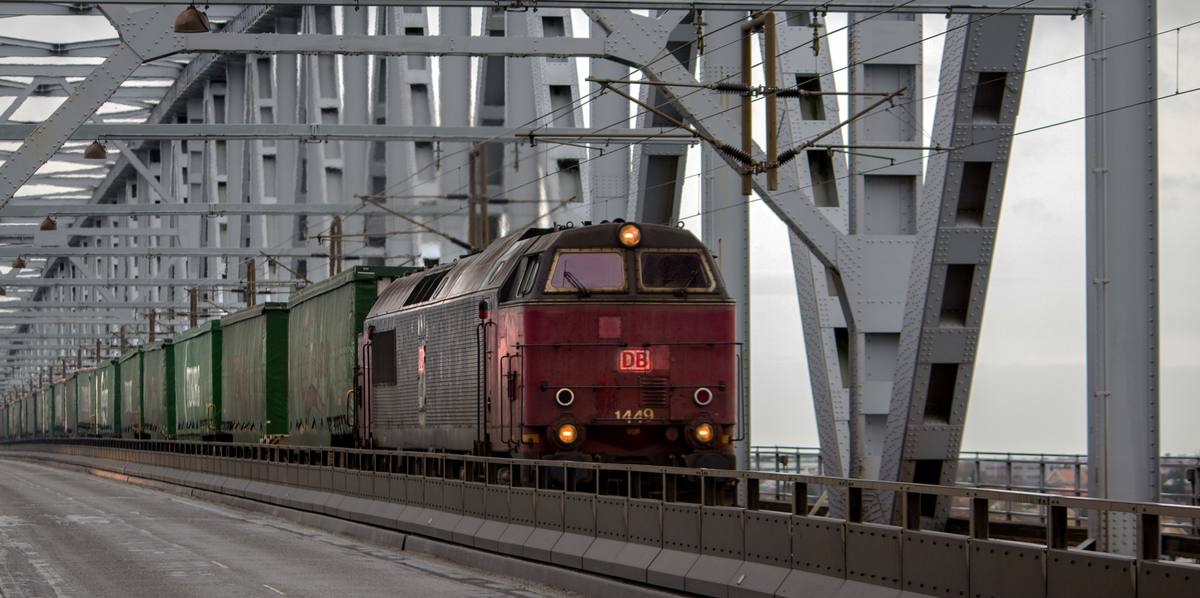
It is predicted that by 2030 the volume of railway cargo in the SCO space will increase by more than 2 times compared to 2020.
The Shanghai Cooperation Organization (SCO) is not only a political and economic platform, but also an important space for the development of railway transportation connecting China, Central Asia, Russia, India, Iran and other countries in a single logistics network.
SCO participants and logistics potential
For 2025, the SCO includes:
- Full members: China, Russia, Kazakhstan, Kyrgyzstan, Tajikistan, Uzbekistan, India, Pakistan, Iran.
- Observers and partners: Belarus, Mongolia, Turkey, Azerbaijan, Armenia, etc.
The geography of the participants forms a unique logistics belt:
- provides access to European and Middle Eastern markets;
- integrates Central Asia into global trade flows;
- It creates alternative routes regardless of sanctions and geopolitical risks.
Key railway corridors in the SCO space
1. China – Kazakhstan – Russia – Europe (New Silk Road)
This is the main route of freight trains China Railway Express. It begins in China, crosses the border in Alashankou or Khorgos, passes through the territory of Kazakhstan, then through Russia and Belarus goes to Europe. It is the most experienced in terms of frequency and delivery time.
2. China – Kyrgyzstan – Uzbekistan (CKU)
A projected railway route designed to link Chinese Kashgar with Andijan in Uzbekistan through the territory of Kyrgyzstan. It can become a strategic alternative for Central Asia and provide access to the markets of the Middle East.
3. China – Iran – Turkey – Europe
The Trans-Iranian route passes through the western provinces of China, Iran and Turkey. It gives the countries of the Persian Gulf, India and Pakistan the opportunity to enter the European market bypassing Russia.
4. North-South: Russia-Iran-India (INSTC)
The North-South International Transport Corridor includes railway and multimodal sections connecting Astrakhan with the Iranian port of Bandar Abbas and further with the Indian Mumbai. It plays a key role in exports to Southeast Asia.

The largest railway logistics hubs of the SCO countries
In China:
- Alashankou The main land border crossing on the border with Kazakhstan. One of the first points of the “One Belt, One Road” route.
- Khorgos (Khorgos) Modern multimodal logistics hub on the border with Kazakhstan. Equipped with transfer infrastructure from Chinese to European gauge.
Address: Khorgos Dry Port, Xinjiang, China.
In Kazakhstan:
- Dosty Strategic border crossing with China, provides a junction of a wide and narrow gauge.
- Altynkol - modern terminal near Khorgos, providing quick clearance of goods and transfer.
Managed by KTZ Logistics, Almaty.
In Russia:
- Nails. The border point with Mongolia is important for the China-Europe routes through Ulaanbaatar.
- Delusions - a node on the border with Kazakhstan, used for transit cargo to Russia and Europe.
Managed by: Russian Railways, South Ural Railway.
In Uzbekistan:
- Termez A major logistics center in the south of the country, providing transit to Afghanistan and Tajikistan.
Operator: Uzheldorexpedition.
In Iran:
- Serakhs – Serakhs (border with Turkmenistan) A key border terminal for the route through Central Asia to the Persian Gulf.
Operator: Iranian Railways, Tehran.
In India:
- Mundarra and Mumbai - the main hubs for receiving cargo from the North and the Middle East, the end point of the INSTC route.
Operator: Indian Railways.
Main goods and directions of transport
SCO railway routes are used for transportation of:
- Auto parts, household appliances, electronics — from China to Europe and Russia. These are high value-added products that require fast delivery.
- Textiles, clothing and footwear – from Uzbekistan and China to Russia, Kazakhstan and further to Europe. Often delivered by multimodal schemes with transshipment on cars.
- Building and finishing materials, including cement, glass, metal structures, are transported both from east to west and within Central Asia.
- Agricultural products - grain, cotton, legumes, fruits and nuts are exported from Uzbekistan, Kazakhstan, Tajikistan, Iran to India, China and Russia.
Challenges and challenges
- Routine difference The transition from Chinese (1435 mm) to post-Soviet (1520 mm) requires transfer and increases transit time.
- Bureaucracy and borders Each transition requires separate paperwork, which slows down the movement.
- Infrastructure bottlenecks Especially in the southern parts of the SCO (for example, Afghanistan, Kyrgyzstan), where logistics is not yet developed.
- Political risks and sanctions They affect the stability of transit routes, especially through Iran and Russia.
Development prospects
- Investment in CKU: China is actively investing in railways through Kyrgyzstan and Uzbekistan, which will provide an alternative route through Kazakhstan and Russia.
- Digitalization of document management: Within the framework of the SCO, work is underway to create a single digital platform for transit cargo.
- Development of multimodal hubs: New terminals are being built in Kazakhstan, Iran, Uzbekistan – with the possibility of connecting with seaports and autologistics.
- Increase in traffic: It is predicted that by 2030 the volume of railway cargo in the SCO space will increase by more than 2 times compared to 2020.
Contacts of logistics operators
KTZ Express (Kazakhstan): +7 (7172) 60 61 61
Uzbek Railways (Uzbekistan): +998 (71) 299-76-00
Chinese Railway International: +86 (10) 5184-0000
Iranian Railways: +98 (21) 5132-0000
Indian Railways Freight Division: +91 (11) 2338 1213
RZD Logistics (Russia): +7 (495) 788-45-30