FAS and FOB in Incoterms
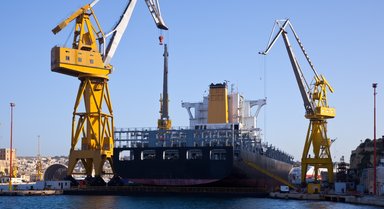
Among all Incoterms conditions, FAS (Free Alongside Ship) and FOB (Free On Board) are particularly important for sea and river transportation.
In international trade, an understanding of the terms of supply that determine obligations of seller and buyer at all stages of transportation of goods. The most authoritative and universal standard is the system. Incoterms (International Commercial Terms)Developed by the International Chamber of Commerce (ICC).
Among all the conditions of Incoterms, especially important for sea and river transport are FAS (Free Alongside Ship) and FOB (Free On Board). Despite the similarity, these terms have fundamental differences that affect price, risk, logistics and paperwork.
What is FAS (Free Alongside Ship)?
Definition:
FAS (Freely along the side of the ship) means that the seller fulfills his obligations when placing the goods sideways at the port of departure ready for loading. From this point on, all risks and costs pass to the buyer.
Duties of the seller:
- Pack the goods
- Clearing goods for export (customs)
- Deliver the cargo jetty or load
- Notify the buyer of the readiness of the goods
It is not the responsibility of the seller:
- Loading of goods on a ship
- Payment of freight
- Liability for the goods after transfer to the ship
Use:
- Only when transported by sea or inland waterways
- Usually bulktimber, metals, grains, etc.
What is FOB (Free On Board)?
Definition:
FOB (Free on Board) The seller is responsible for the delivery and loading. The risk passes to the buyer when the cargo crosses the ship's handrail at the port of departure.
Duties of the seller:
- Packaging and marking
- Customs clearance for export
- Port delivery
- Loading onto a ship
- Notification of the buyer
It is not the responsibility of the seller:
- Freight and delivery to the country of destination
- Insurance
- Unloading
Use:
- Only for sea and river transport
- One of the most popular terms in the raw materials, engineering and textile industries
Comparative table: FAS vs FOB
Parameter FASFOBType of transport Sea / inland water Sea / inland water Risk place Along the ship On board Ship Liability for loading Buyer Seller Customs clearance Seller (export) Seller (export) Popularity Lower than FOB One of the most common Use of cargo in bulk, large consignments Containers, packaged goods Risk level for buyer Higher (early risk transition) Lower, seller controls loading
Example of practice
Scenario 1: FAS
A Kazakh company sells wheat to a Turkish buyer. The seller delivers grain to the pier in the port of Aktau, formalizes the export, but not responsible for loading. All further logistics - on the buyer. Conditions: FAS Aktau port.
Scenario 2: FOB
The same transaction, but the seller further arranges and loader grain to the ship. Conditions: FOB Aktau port. The risk passes when the grain is loaded on board.
Mistakes and misconceptions
- FAS/FOB cannot be used in multimodal transport (for example, if the delivery includes road transport, railway and sea) – in these cases, FCA, CPT or DAP are suitable.
- FOB Incoterms 2020 does not include insurance, unlike CIF.
- It's important to port-specific: "FOB Shanghai" is correct, but simply "FOB China" is not.
How to choose between FAS and FOB?
Criterion Selection FAS Selection FOBLoading control Is at the buyer Is at the seller Access to the port infrastructure Better at the buyer Better at the seller Experience of international logistics Buyer more seller More Risks when loading
FAS and FOB Important trade terms applicable only to maritime transport. The choice between them depends on the logistics capabilities, the level of trust, the distribution of risks and the agreements of the parties. Proper understanding of Incoterms terms and conditions helps to avoid disputes, lawsuits and losses, especially in complex and expensive deliveries.