Asia’s Green Chain: Sustainable Transportation

The new logistics is not only about speed, but also about sustainability.
In 2025, global logistics is undergoing a profound transformation.
Previously, the key parameters of transportation were costToday, a third factor has been added. sustainability.
Asian countries, especially China, South Korea, Japan and Singapore, are actively implementing the concept. Green Supply Chain (Green Supply Chain)Where transportation, packaging, storage and even paperwork are becoming “clean” in terms of CO2 emissions and energy consumption.
This system is no longer just a trend - it is becoming a trend. New Standard for International Trade.
What is a green chain?
term Green Chain Green Chain describes a sustainable logistics system that minimizes environmental impact. at all stages of the movement of goodsFrom the factory to the end user.
Key principles:
- reduction of CO2 emissions;
- use of renewable energy sources;
- optimization of routes to reduce fuel;
- environmentally friendly packaging materials;
- Digitalization of document management (paperless logistics).
In Asia, this approach combines government programs from China, Japan, South Korea, and initiatives from companies like COSCO, Maersk, Alibaba, and JD Logistics.
Why Asia has become a hub for green logistics
Public policy
In China, the program came into force in 2024 Green Freight Asia 2030It aims to reduce the carbon footprint of transport by 30%.
It works in Japan. Sustainable Port ProgramIn South Korea, Eco-Transport Roadmap.
Economic incentives
Companies certified as “green suppliers” receive:
- tax incentives,
- access to green credit,
- priority in public procurement.
International requirements
The EU and the US are already demanding carbon footprint declarations from suppliers.
Asian exporters are forced to comply, or risk losing major markets.
What is the “green chain” made of?
Production and packaging
- Transition to recycled or biodegradable packaging (PLA, kraft, recycled plastic).
- Reducing the weight of containers to reduce fuel during transportation.
- Certification of factories according to ISO 14001 standards and ESG assessments.
Transportation
- Use of use electric trucks for short distances.
- Transition of the Navy to VLSFO (low sulphur fuel) and LNG (Liquid natural gas).
- Route optimization through digital platforms (AI logistics).
Example: COSCO and Maersk are introducing hybrid vessels powered by methanol and ammonia.
Ports and terminals
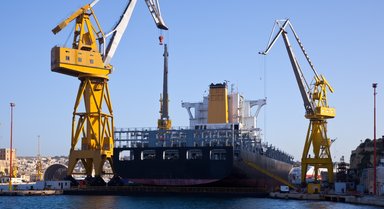
- Automated cranes with energy recovery.
- Electrification of handling equipment.
- Solar panels in warehouses and terminals.
The port of Ningbo-Zhoushan has already switched to “green” energy by 60%.
In Singapore, the port of Tuas became the first in the world to be fully renewable.
Storage and documentation
- Smart warehouses with temperature control and energy saving lighting.
- Electronic invoices (e-BL, e-invoice), reducing paper processes.
Sustainable transport certification
Key standards
Where ISO 14083:2023 is appliedCO2 emissions in transport and logisticsGreen Freight Asia (GFA)Evaluation of companies by level of environmental efficiency China, Southeast AsiaEcoPorts CertificationSustainable Port Development East Asia, EUESG Reporting FrameworkAccounting for non-financial business indicatorsChina Green Supply Chain Certification (CGSCC)China National Supplier Certification Program
How the certification process works
- Company audit - inspection of transport, warehouses, energy consumption.
- Data verification Calculation of emissions according to ISO methodology.
- Emission reduction plan - mandatory for certification.
- Registration in the Registry (e.g. CGSCC) Getting a Green Logistics Partner status.
- Annual report and re-evaluation - to maintain status.
China is already more 18,000 companies have been or are undergoing Green Chain certification.

The Economics of Sustainable Transportation: Is It Profitable for Business?
Primary costs
Yes, green modernization requires investments:
- upgrade of transport - from $ 50,000 per truck
- installation of solar panels - from $80,000 per warehouse.
But the benefits are long-term
- reduction of fuel costs by 15-25%,
- priority for large customers,
- access to green finance (reducing the rate to 2-3%)
- reputational effect on international markets.
According to the Asian Development Bank, “green logistics” increases the margin of exporters on average 5-8% Preferences and new contracts.
Real cases from Asia
China: COSCO and Alibaba Logistics
- Implementing AI routing and tracking emissions in real time.
- Creation of a platform GreenPort Cloud To exchange data between carriers, ports and customers.
Singapore: PSA Tuas Port
- The first fully automated port where cranes and tractors run on electricity.
- Reducing CO2 emissions by 65% 5 years.
Japan: Toyota Logistics
- It uses hydrogen trucks and hybrid ships on routes between the islands.
- The program is called Zero Emission Ports 2030.
How Companies Can Join the Green Chain
Audit emissions
Start by calculating the CO2 of your transport, warehouses and routes. This is the basis for certification.
Implement energy efficient solutions
- Replacement of lighting with LED,
- Updating the fleet,
- Transition to electric or gas loaders.
Using Digital Logistics
Connection to e-BL systems, GPS monitoring, AI route optimization.
Working with Certified Carriers
When selecting contractors, pay attention to availability Green Freight, ISO 14083 or ESG- Certificates.
Positioning Yourself as a Green Partner
This increases the trust of customers, especially international ones, and paves the way for ESG financing.
Prospects: Green logistics will become mandatory by 2030
Major Asian countries have already adopted roadmaps to reduce their carbon footprint.
- China Carbon neutrality by 2060
- Japan By 2050,
- South Korea - by 2050.
By 2030, a sustainability certificate will be as mandatory as an export license or a customs declaration.