Art of packaging: variety of packaging
Consider the main classifications of containers, which take into account various aspects of its application and design features.
Packaging plays a key role in logistics, providing protection for goods, optimizing transportation and warehousing processes, and improving supply chain efficiency. Choosing the right packaging can significantly reduce costs and minimize the risk of damage to cargo. Consider the main classifications of containers, which take into account various aspects of its application and design features.
Classification of packagings by quantity of packaged cargo
- Individual packagings
Individual packaging is intended for packing one individual item or unit of goods. It provides protection against mechanical damage, pollution and exposure to external factors. Examples of individual containers: boxes for household appliances, plastic containers for food.
- Group packaging
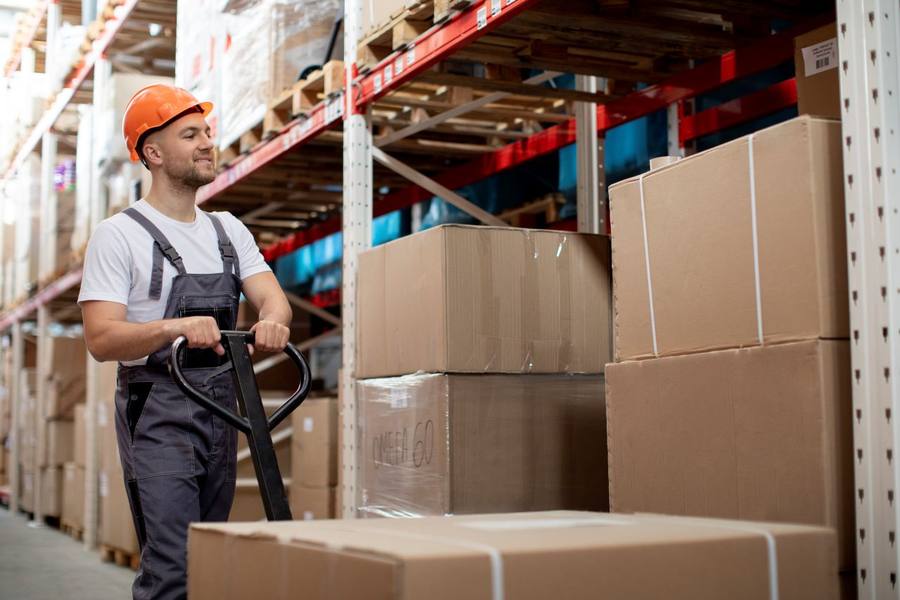
Group packaging is used to combine several units of goods into one cargo. This makes transportation, storage and accounting easier. Examples of group containers: cardboard boxes, packing boxes, pallets with goods fixed to them.
Classification of packagings by size
- Large packaging
Large packaging is used for the transportation of large and heavy cargo. It is often used in industrial sectors to transport equipment, machinery and building materials. Examples: containers, large wooden or metal boxes.
- Small packaging
Small packaging is suitable for small goods or parts. It is easy to handle, often used in retail and warehouse operations. Examples: small cardboard boxes, plastic containers for small items.
Classification of packagings by design features
- Indiscriminate packaging
The packaging has a monolithic design and is not subject to disassembly. It provides a high degree of protection of goods and is used for transportation and storage of items requiring special care. Examples: metal boxes, cast plastic containers.
- Collapsible packagings
Collapsible containers can be dismantled and assembled again. This is convenient for saving space when transported back or stored in an unused state. Examples: folding boxes, collapsible wooden containers.
- Folding containers
Folding containers are a subtype of collapsible, which can be folded to reduce the volume occupied. This reduces the cost of storing and transporting empty containers. Examples: folding plastic containers, cardboard boxes with the ability to fold.

Classification of packagings by leakiness
- Airtight packagings
Hermetic packaging fully protects the contents from external factors such as moisture, air, dust. This is critical for storing and transporting products that require special conditions, such as medicines or chemicals. Examples: vacuum packaging, metal containers with tightly closed lids.
- Seamless packagings
Unsealed packaging does not provide full protection from external influences and is used for goods that do not require sealing. Examples: mesh containers, wooden boxes without a tight lid.
Classification of packagings by capacity to withstand loads
- Soft packaging.
Soft packaging has no rigid design and is easily deformable. It is used for packaging light and unstable in shape of goods. Examples: textile bags, plastic bags.
- Semi-packaging
Semi-shaped packagings combine elements of soft and rigid packagings, providing sufficient protection while maintaining flexibility. Examples: corrugated cardboard boxes, plastic containers with flexible walls.
- Rigid packaging
Rigid packaging retains its shape and provides high protection of the cargo from mechanical damage. It is used to transport and store goods that require reliable fixation. Examples: wooden boxes, metal containers.
Classification of packagings by stackability
- Stable packagings
Stable packaging is designed to be placed on top of each other, which allows you to effectively use the space in the warehouse or in the vehicle. Examples: plastic or metal containers with reinforced construction, pallets.
- Unstallable packaging
Unstallable containers are not designed for stacking in several levels, as they do not provide sufficient stability or can be damaged under the weight of the upper tiers. Examples: bags, barrels.
Classification of packagings by operating conditions
- Single packaging
A single container is used only once, after which it is disposed of. It is widely used for packaging consumer goods, especially when sent by mail. Examples: cardboard boxes, plastic packaging.
- Return packagings
Return packaging is intended for multiple use. It is returned to the plant after use and reused for packaging. Examples: glass bottles, plastic boxes.
- Multi-turn packaging
Multi-turn packaging is used repeatedly without the need to return to the enterprise. It is used in closed-loop logistics systems, where containers move from one user to another. Examples: metal or plastic containers, pallets.

Strength classification of packagings
- Strong packaging
Durable containers are resistant to mechanical damage and are designed to transport and store heavy and valuable cargo. Examples: metal boxes, wooden containers.
- Fragile containers
Fragile packaging requires careful handling, as it is easy to destroy. It is used for packaging goods that are not subject to heavy loads. Examples: glass jars, thin-walled plastic containers.
Classification of packagings by functional feature n
- Consumer packaging
Consumer packaging is designed for the end user and plays an important role in product marketing. It protects the goods and attracts the attention of the buyer. Examples: packaging for cosmetics, boxes for sweets.
- Group packaging
Group packaging combines several units of goods into one package for ease of transportation and storage. Examples: plastic packaging for several bottles of water, cardboard boxes for several cans of canned food.
- Production packaging
Production packaging is used at the production stages for moving, storing and accounting semi-finished products and components. Examples: containers for transportation of parts on the conveyor, metal boxes for storage of finished products.
- Tara equipment
Tara equipment combines the functions of containers and technological equipment. It is used to store and transport products, as well as to perform production operations. Examples: containers for dosing raw materials, pallets with built-in mechanisms for movement.
- Transport packagings
Transport packaging is designed to ensure the safety of goods during their transportation. Examples: containers for shipping, boxes for air transportation.
Classification of packagings by material of manufacture
- Single-material packaging
Packaging made from a single material is characterized by ease of production and processing. Examples: glass bottles, plastic containers.
- Combined packagings
Combined packaging is made of various materials, which allows you to combine their advantages and provide better protection of the cargo. Examples: cardboard boxes with plastic inserts, metal boxes with wooden elements.
Packaging in logistics is essential because it protects goods, simplifies their transportation and storage, and helps minimize costs and improve supply chain management. The correct choice of packaging, taking into account its classification on various grounds, can significantly improve the efficiency of logistics operations and ensure the safety of goods at all stages of their movement.
The importance of choosing the right packaging in logistics. Read here!