China sets global standards for ports
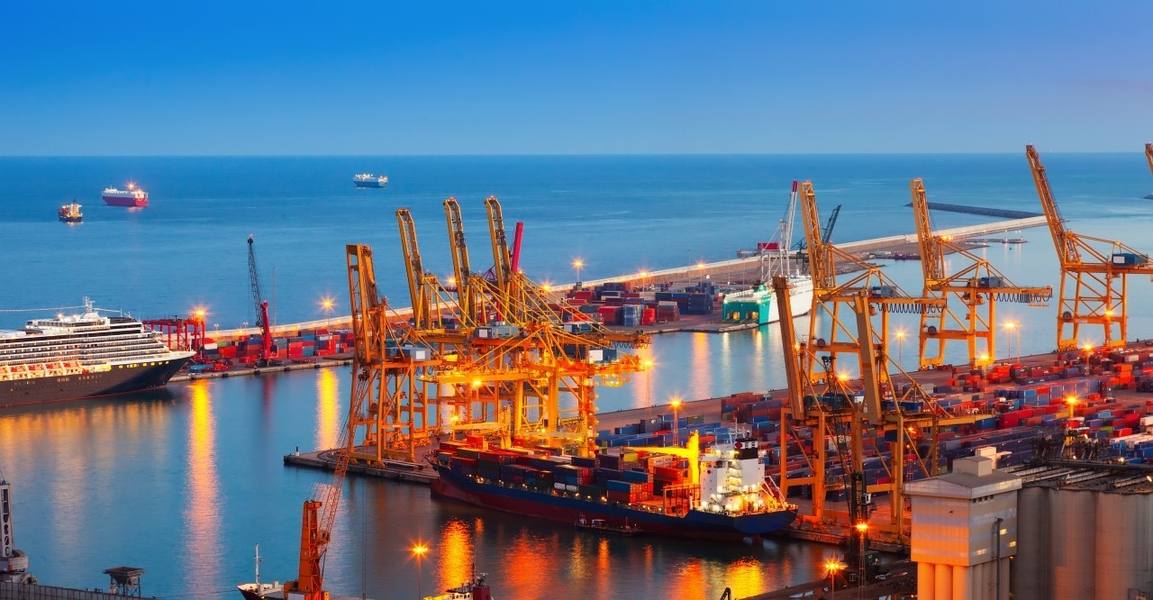
In the next 5 to 10 years, standards will determine who can deliver goods quickly and efficiently around the world – and China wants to be the one who writes those rules.
On May 20, 2025, China officially established the The world’s first subcommittee of the International Organization for Standardization (ISO)which will exclusively deal with port terminals. This step became historical precedentUntil now, specialized bodies that set global standards for ports simply did not exist.
Now China is not just actively involved in world trade, but begins to to form its technical and organizational rules.
What exactly happened?
China has initiated the creation of a subcommittee in the structure of ISO, responsible for Development of international standards in the port sector. These are not general recommendations but comprehensive rules covering:
- Design and operation of port terminals
- Digital control systems and automation
- Integration of green technologies and sustainable infrastructure
- Compatibility of technical solutions, for example in energy supply and IT
- Unification of cargo tracking, cranes, forklifts, etc.
Participation:
- 23 countries participate in the development.
- 27 countries They are connected as observers.
This is not a Chinese domestic project, but a full-fledged international initiative with a wide geographical scope.
Why It Matters: Ports as the Nervous System of World Trade
The ports are Strategic points of global logistics. It passes through them:
- 80-90% all international cargoes (according to UNCTAD),
- Hundreds of millions of tons of oil, gas, food, raw materials and containers annually.
Problem:
For now. Each port has its own protocols, technologies and standards.. This creates:
- incompatibility of equipment and systems,
- bureaucratic barriers in the processing of goods,
- High transaction costs.
Decision:
Global standardization will enable:
- Reduce transportation and handling costs;
- Accelerate document flow and customs procedures;
- Simplify technical integration between terminals in different countries.
Example: If an automatic crane in a Chinese port is ISO-standardized, it will be able to interact with similar equipment in ports in Singapore, Rotterdam or Los Angeles without the need for reconfiguration.
Why China?
China logistics superpower:
- He has. 7 of the 10 largest container ports in the world (Shanghai, Ningbo, Shenzhen, etc.)
- Implementing the initiative "One Belt, One Road"connecting Asia, Africa and Europe.
- It is. Global manufacturer of port equipment and digital logistics platforms.
The creation of the ISO subcommittee is a logical continuation of China’s strategy:
- from manufacturer towards trader towards global standard-setting player.
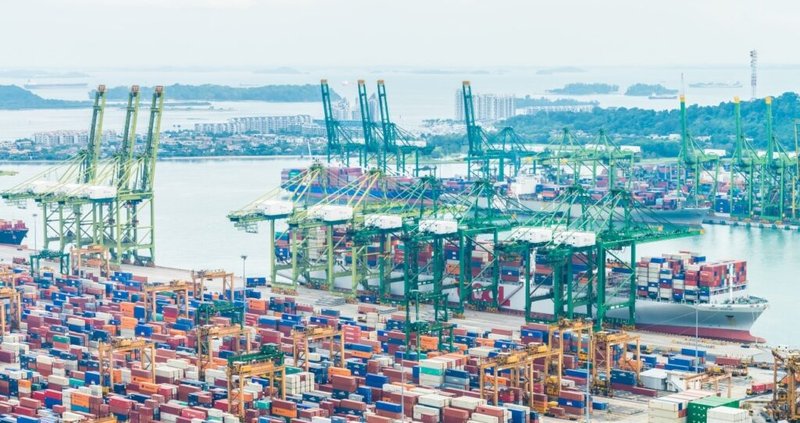
Why it is important for business, logistics and foreign trade
1. Unification of equipment and processes
Companies will be able to invest in hardware and software that is compatible with international ports.
2. Reduction of processing and unloading time
Standardized protocols will automate routine operations such as customs scanning, container inspection and document issuance.
3. Environmental modernization
Green standards will encourage:
- reducing emissions,
- switching to electrical cranes,
- Using solar and wind energy sources.
4. Simplification of monitoring and tracking
- Increased transparency,
- Protection against smuggling and logistics errors
- More accurate forecast of the arrival of goods.
What does this mean for logistics companies?
Area Advantage Shipping LinesMore predictable and scalable routes3PL providersEasy integration with port IT systemsImporters/exportersReducing costs and accelerating cargo handlingInvestorsTransparent criteria for assessing port infrastructure
Possible challenges
Despite the advantages, standardization can cause:
- Technical conflicts with existing systems.
- Increased costs of modernization ports that do not meet the new requirements,
- Concerns about Chinese Dominance standards, especially from the US, EU and India.
Strategic implications
China takes a step away from role factory role Regulatory Architect of Global Trade.
If the initiative is successfully implemented:
- China strengthens its position in international organizations.
- Countries that use Chinese technology will dependency on Chinese standards.
- ports around the world will be adapt to the Chinese model of logistics.
The establishment of an international subcommittee on port standardization under the leadership of China not just a technical initiativeand a strategic move towards Reformatting Global Logistics.
For businesses working in the field of foreign trade, shipping and logistics, this is a signal:
- follow up.
- Evaluate the impact on current supply chains.
- and Prepare for the transformation of infrastructure and processes.
In the next 5 to 10 years, standards will determine who can deliver goods quickly and efficiently around the world – and China wants to be the one who writes those rules.