Principles of working with banks between Russia and Kazakhstan
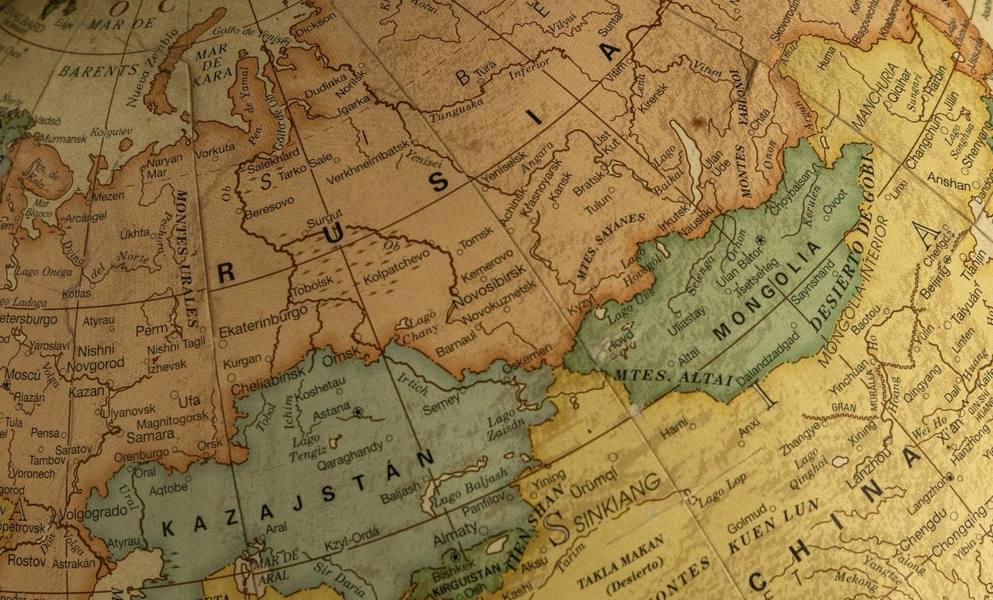
Working with banks between companies in Russia and Kazakhstan in 2025 requires a careful approach, especially in the face of sanctions and increasing compliance.
Trade and economic cooperation between Russia and Kazakhstan is at a high level, and financial cooperation plays a key role in ensuring the stability and security of transactions. In this article, we will analyze the basic principles of working with banks in the interaction between Russian and Kazakh companies, covering issues of currency operations, banking instruments, sanctions restrictions and document circulation.
General features of financial interaction
Currency of settlement
- The ruble and tenge are increasingly used as the main currencies of settlements, displacing the dollar and the euro.
- Due to the membership of both countries in the EAEU, transactions between companies are carried out with minimal currency restrictions.
- Many banks operate directly in rubles and tenge, reducing dependence on Western settlement systems.
Interbank transfers
- Transfers within the EAEU most often pass through the financial messaging system (SPFS) of the Bank of Russia, which is relevant against the background of the disconnection of a number of Russian banks from SWIFT.
- Also used system "TOLEM" (National Bank of Kazakhstan), integrated with SPFS.
Choice of banks
In Russia:
- Preference is given to banks that are not subject to sanctions and have stable channels with Kazakh financial institutions.
- Examples: Rosselkhozbank, Bank St. Petersburg, Sovcombank.
In Kazakhstan:
- Banks with a stable reputation and a wide network of correspondent accounts with the Russian Federation are used.
- Examples: Halyk Bank, Kaspi Bank, Bank CenterCredit, Jusan Bank.
Banking instruments and forms of settlement
Direct bank transfers
- The most common form of calculation.
- Used for prepayment, partial payment or payment upon delivery.
Letters of credit
- It is used to reduce risks in large transactions.
- Most often used in the supply of highly liquid products or equipment.
Currency conversion
- It is possible to convert the ruble into tenge and vice versa, both through banks and through brokers or payment platforms.
- Banks often offer internal rates that are different from market rates – this is important to pay attention to.
Anti-sanctions measures and financial security
Sanctions and risk avoidance
- Russian companies avoid using banks under direct US/EU sanctions.
- Kazakh banks are more cautious: a number of large financial institutions may refuse service if there is a risk of violation of sanctions legislation.
Compliance checks
- Both Russian and Kazakh banks have stepped up checks on payments: contracts, invoices and specifications are requested.
- It is possible to extend the terms of consideration of payments (up to 3-5 working days or more).

Documentation and reporting
The main package of documents:
- Contract between companies;
- Invoice (invoice);
- Specification of goods/services;
- Transport documents (if there is a delivery);
- Certificates of origin (if necessary).
Electronic document management
- In Kazakhstan, electronic document management (EDO) and e-invoicing are being actively introduced, in the Russian Federation - the Diadok platform, Contour, etc.
- It is important to coordinate the form and format of electronic documents in advance.
Payment platforms and alternatives to banks
Fintech solutions
- Companies began to use payment platforms, especially in small and medium-sized businesses: Zolotaya Korona Business, TerraPay, Payoneer (limited).
- Some services allow conversions and instant transfers with minimal fees.
Taxation and exchange control
In Russia:
- Settlements with Kazakhstan are not currency transactions, do not require mandatory repatriation of revenues.
- However, companies are required to submit reports on foreign exchange transactions and monitor the timing of contracts.
In Kazakhstan:
- There are fewer restrictions compared to other CIS countries.
- However, major transactions still go through currency control.
Recommendations for working with banks
- Agree on the format of payment in advance – check with banks terms, documents, limits.
- Avoid “grey” schemes – do not use third parties or shell accounts.
- Check the counterparty through official databases: in Russia - SPARK, in Kazakhstan - egov.kz portal.
- Check sanctions lists regularly, especially for participating banks.
- Work with banks that have experience in international settlements with Russia / Kazakhstan.
Contacts of popular banks
In Russia:
- Sovcombank - sovcombank.ru
- Rosbank - rosbank.ru
- RNCB-- rncb.ru
In Kazakhstan:
- Halyk Bank - halykbank.kz
- Kaspi Bank - kaspi.kz
- Bank CenterCredit - bcc.kz
- Jusan Bank - jusan.kz
Working with banks between companies in Russia and Kazakhstan in 2025 requires a careful approach, especially in the face of sanctions and increasing compliance. Choosing a reliable bank, understanding of currency regulation and proper paperwork are key components of financial stability and success in international settlements.