DAT, DAP, DDP: How to understand
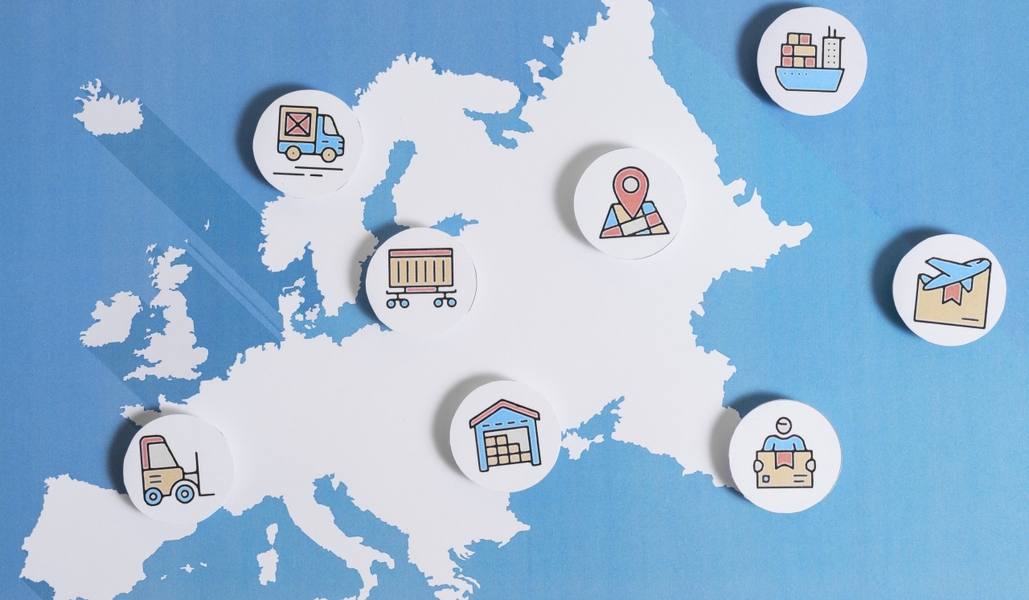
DAT, DAP and DDP are the three key delivery terms focused on delivering the goods to the endpoint.
In international trade, much depends not only on the price and quality of the goods, but also on the quality of the goods. Who is responsible for transportation, insurance and customs duties. It is for the clear distribution of these obligations that the Incoterms rules (Incoterms) A universal set of terms and conditions of supply recognized worldwide.
Three of the most demanded conditions for deliveries "to the door" or "to the destination" are: DAT, DAP and DDP. They often cause confusion among importers and exporters, especially in the first transaction. In this article, we will discuss:
- What do DAT, DAP, DDP mean?
- What's the difference?
- What are their advantages and risks?
- How to choose the right term?
DAT, DAP and DDP – What’s the point?
These terms refer to group of delivery conditions with delivery to the agreed destination:
Who is responsible for the delivery? Who pays the fees? DAT (replaced with DPU)Delivered at Terminal BuyerDAPDelivered at Place BuyerDDPDelivered Duty Paid Seller
1. DAT - Delivered at Terminal (Incoterms 2010, replaced by DPU in 2020)
Delivery to the terminal (arrived at the place of unloading, without duties)
DAT assumed that:
- The seller arranges transportation to terminal (port, warehouse, railway station)
- Unloading on.
- Customs duties and internal taxes - the obligation of the buyer
In 2020, DAT was renamed DPU (Delivered at Place Unloaded).To emphasize that delivery can be not only to the terminal, but also to any place where unloading is possible.
2.DAP - Delivered at Place
Delivery to the agreed place without payment of duties
Essence:
- The seller bears the costs and risks of delivery to spot buyer-country
- Unloading not included
- The buyer makes the import and pays duties/VAT
Applicable. direct delivery to the customer warehouse, customs warehouse, distribution center, etc.
Example: The Chinese manufacturer sends cargo to Russia, to a warehouse in the suburbs, but the Russian company itself is engaged in customs clearance. DAP Moscow, buyer's warehouse.
3.DDP - Delivered Duty Paid
Delivery to the place with full payment of duties and taxes
The most “comfortable” option for the buyer:
- The seller undertakes:
delivery
customs clearance in the country of importation
payment import duties, VAT, fees
- Unloading by agreement of the parties
Risks for seller higherespecially if:
- He is not familiar with the customs legislation of the buyer’s country.
- an unstable certification or tax system in the country of import
Table of comparison of conditions
Parameter DAT / DPUDAPDDPPlace of delivery Terminal / point of unloading Any place (without unloading) Any place (including duties) Unloading Included Buyer by agreementCustoms in the country of the buyer Buyer Buyer Seller Duties and Tax Buyer Buyer Seller Risks For Buyer Medium Low Risks For Seller Moderate High Suitable for FOB logistics with offloading Internal logistics, marketplaces, B2C
Advantages and disadvantages
DAT/DPU
+ Convenient when working with sea transportation and terminals
- Can cause controversy, who is responsible for unloading under non-standard conditions
DAP
+ Transparent logistics to the buyer’s door
- Does not cover duties and may slow down the process due to uncoordinated customs clearance
DDP
+ As simple as possible for the buyer - the goods "turnkey"
- The seller is responsible for customs, certification, taxes, which can be risky.
When to use what term?
Recommended IncotermsThe customer wants minimal effort.DDPThe seller cannot / does not want to deal with customs clearanceDAPUnloading is included, the buyer assumes dutiesDPU (formerly DAT)Marketplace, e-commerceDDPPartners work through third countries or brokersDAP/DPU
Common mistakes
- DDP is indicated, but the seller is not registered in the country of the buyer He will not be able to pay VAT.
- DAP is used, but the parties have not agreed who unloads - leads to downtime
- Incorrect placement: for example, "DAP Russia" instead of "DAP Moscow, St. XXX, warehouse"
Always specify the exact place and check whether the unloading is included, who issues customs.
DAT, DAP and DDP These are three key terms of delivery focused on delivery of goods to the end point. Understanding the differences between them avoids errors, delays and unnecessary costs in international trade.
DDP Convenient for the buyer, but risky for the seller
DAP Balanced variant with B2B
DPU (formerly DAT) Good for delivery to ports, terminals with enabled unloading