Why the pursuit of grain leads to a decrease in quality and how Kazakhstan wins the market
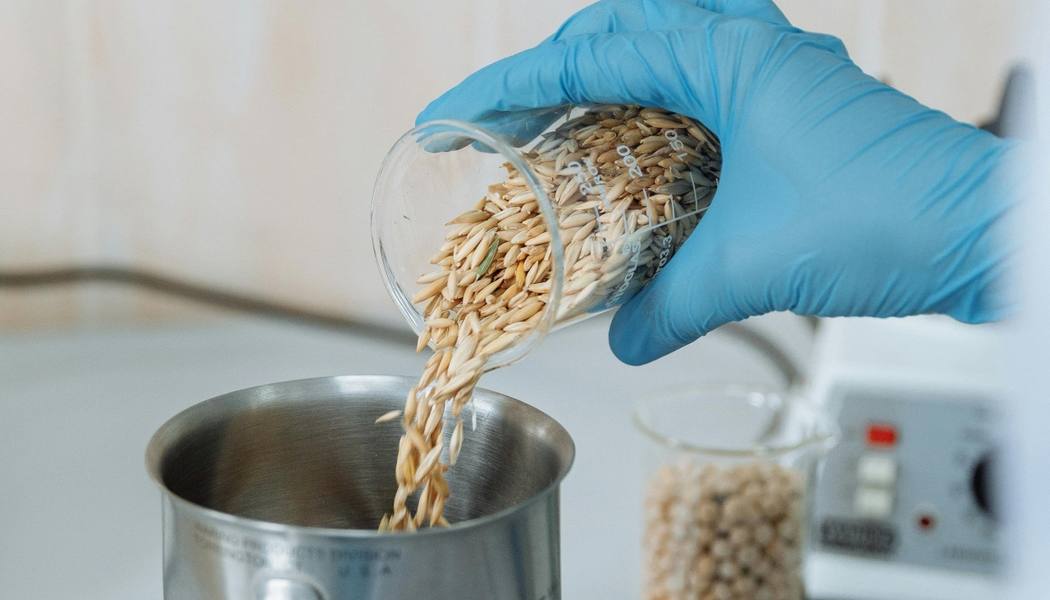
The global food market is gradually entering a period where quality grain is becoming a strategic resource.
Recent discussions at the FCC - grain-table - They showed one important trend that ran through the forum literally with a red line. The Russian agricultural market is increasingly going into the race for volumes. Producers seek to expand sown areas, increase gross yield and hold positions in export markets. But the question is more and more, what happens to the quality of the grain?
Formally, crops can grow. Reports look confident, statistics show an increase in volumes, exports continue to be one of the key sources of foreign exchange earnings. But the other side of the model is increasingly being discussed within the industry. - Declining product quality, soil degradation and increasing pressure on farmers.
That is why many market participants at the GCC spoke not just about tonnage, but about the systemic crisis of the approach, where volume becomes more important than the product itself.
Why the market started betting on volume
In recent years, the agricultural sector has faced constant economic pressure. The rise in fuel prices, the increase in the cost of fertilizers, a shortage of equipment, an increase in loan rates and logistical difficulties forced manufacturers to look for the only clear way to maintain profitability. - collect more.
The problem is that this strategy has a limit.
When a farmer expands too quickly, the system begins to lose stability. There is not enough equipment for high-quality processing of fields. There is not enough time for agricultural cycles. Savings start with fertilizers, chemistry, soil restoration and care technologies.
As a result, the market gets more grain in quantitative terms, but lower in characteristics:
- The protein goes down.
- It's getting worse.
- the stability of the quality of the parties,
- The heterogeneity of the harvest is increasing.
For internal statistics, this may look like an industry growth. But for buyers and processors, the picture is different.
Kazakhstan relies not on volume but on quality
Against the background of Russian discussions, Kazakhstan’s position was particularly indicative. Many participants of the forum noted that Kazakhstani producers follow a different model.
Instead of aggressively expanding space, they focus on:
- quality field care,
- point fertilizer application,
- control of agrochemistry,
- processing technology,
- stability of grain characteristics.
This directly affects the price. Kazakh grain is often more expensive than products from some regions of the Siberian Federal District. But the paradox is that customers still choose it more often.
The reason is simple: the market is willing to pay for predictable quality.
For a trader, processor or importer, the stability of a batch is often more important than the difference of a few dollars per ton. When products meet the declared characteristics, the risks in production, storage and export are reduced.
That is why today Kazakhstan is gradually strengthening its position not due to record volumes, but due to the reputation of quality.
Why the SFO is starting to lose competition
The Siberian Federal District has historically been considered one of the key grain regions. But now the market is increasingly faced with a situation where the buyer begins to compare not just the price, but the ratio of price and quality.
Many manufacturers within the SFO have found themselves in a complex economic model:
- The costs go up.
- Marginality is falling.
- Technology upgrades are not available,
- Government support does not cover the actual costs.
In this context, some farms begin to work literally for survival. When the main task - Maintain the turnover, quality gradually fades into the background.
This is what is causing concern among market participants. Because quality decline - It's not a one-off issue of the season. This is the risk of losing export positions in the future.
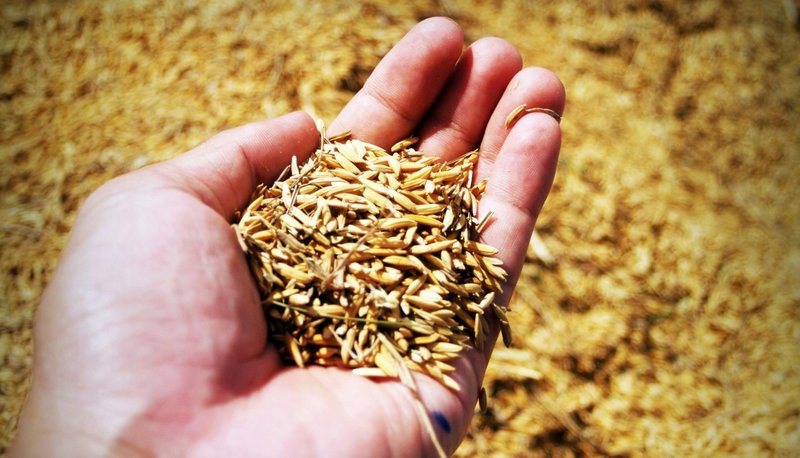
What leads to the agricultural race for volumes
Now the market is at a point where the agricultural industry is gradually splitting into two models.
The first is extensive.
More space, more tonnage, a constant attempt to increase volumes at any cost.
The second is technological.
Quality control, efficiency per hectare, agrochemistry, soil restoration and long-term sustainability.
The second model is becoming increasingly popular in the global market.
Grain buyers aren’t just looking at price. They assess:
- Supply stability,
- product quality,
- reputation of the supplier,
- predictability of characteristics.
The global food market is gradually entering a period where quality grain is becoming a strategic resource.
Smallholders are under attack
Another important topic that was discussed at the CCD - The future of small farmers.
Rising costs and economic pressures are causing small players to increasingly fail to compete. Many people don't have the opportunity:
- upgrade equipment,
- Buy quality seeds,
- invest in agrochemistry,
- Build your own storage infrastructure.
As a result, the market is beginning to expand.
Won:
- agricultural holdings,
- manufacturers' associations,
- companies with their own logistics,
- enterprises with elevators and system infrastructure.
In fact, the agricultural sector is gradually turning into a market of high capital intensity, where the survival is not the one who just grows grain, but the one who is able to control the entire chain. - From field to storage and export.
Why grain is becoming a strategic asset
Against the backdrop of global instability, the importance of the grain market is changing dramatically. Rising oil prices, geopolitical conflicts, fertilizer problems and changing climate conditions are already beginning to affect the global food balance.
This is why many manufacturers today:
- They suspend sales.
- They keep volumes in storage.
- Expect further price increases.
The market is gradually beginning to perceive grain not just as a commodity, but as a strategic resource.
This is especially evident in the context of talk about possible food shortages in some regions of the world. And the higher the global turbulence, the more important it becomes:
- grain quality,
- stability of production,
- availability of storage infrastructure,
- logistics control.
The main conclusion of the GCC: the market changes priorities
The main conclusion of the forum was much deeper than the usual discussion of yields.
Today, the agricultural market is entering a new phase, where the simple pursuit of volumes is no longer a guarantee of success.
Because in the new world reality, not just grain is valued. Predictability, stability and ability to provide the market with quality food are valued.