C/X Exports to the East: Why the West Siberian Railway Became a Key Node
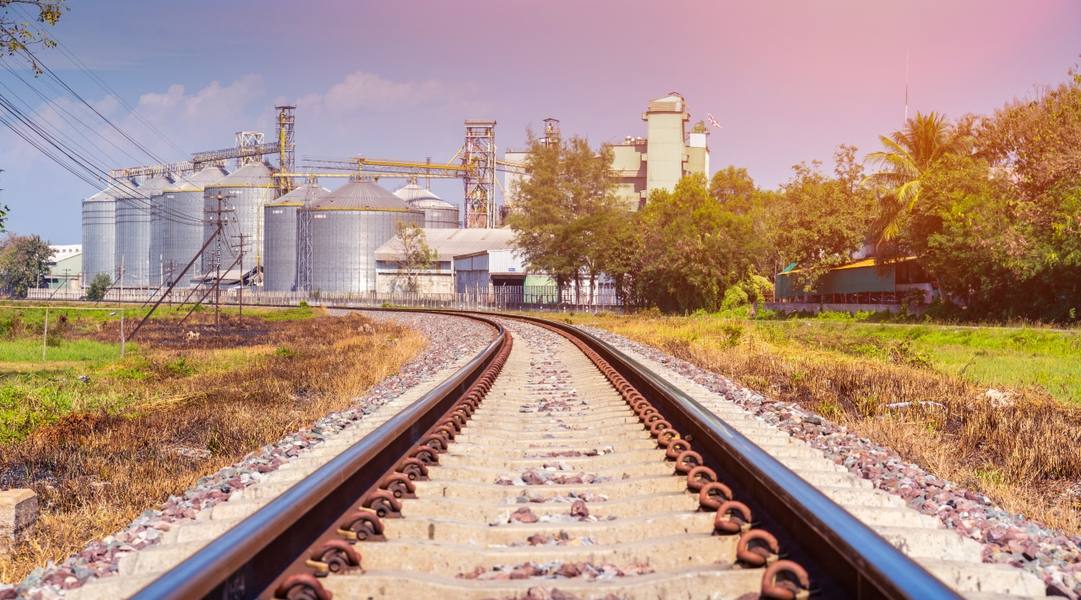
The dependence of Russian agricultural exports on the West Siberian Railway is both a problem and a strategic point of growth.
Reorientation of Russian agricultural exports to the East in 2025-2026 has ceased to be a trend - This is a structural reality. Sanctions from the EU and the United States, the reduction of supplies to Western markets and the growth of demand in China, India, Southeast Asia, the Middle East and even Africa form a new vector of development of the agro-industrial complex.
According to industry forecasts, the export of Russian agricultural products to the East shows steady growth, and logistics is becoming a decisive factor in competitiveness. For Siberia and the Urals, this factor is the West Siberian Railway, associated with the Trans-Siberian and BAM. It is through it that up to 70% of grain, oil and meat are sent to the ports of the Far East and land corridors to Asia.
The dependence of exports on railways has become a bottleneck. At the same time, competent modernization of infrastructure and diversification of routes can increase export flows by 20-30% by 2030 and provide a sustainable economic effect for the regions.
Addiction issues
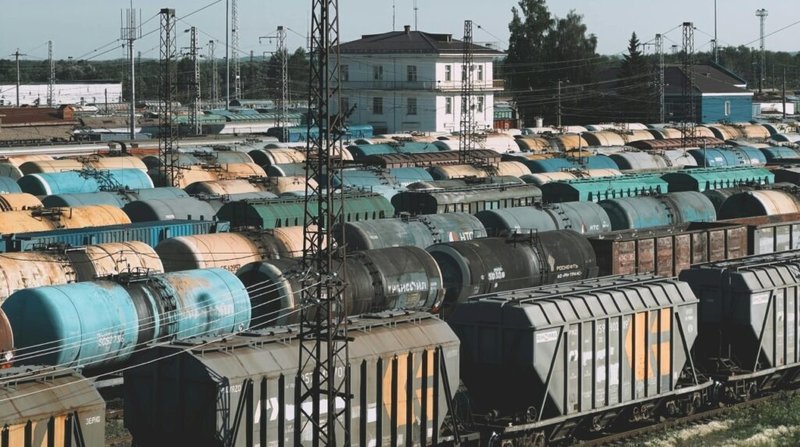
The main problem - congestion West Siberian Railway. The growth of transportation to the East coincided with the limited capacity of the tracks, the shortage of cars and the accumulation of containers. This leads to delays in supply, increased downtime and direct losses for exporters.
Economic costs increase due to high rail tariffs, additional storage costs and product losses. According to market participants, up to 10% of the harvest of grain and oilseeds is lost due to logistical failures and wear of elevators, especially in regions such as Krasnoyarsk Territory, Novosibirsk Region and Kemerovo.
The situation is getting worse. geography. Siberia is 3-5 thousand kilometers away from the ports of the Far East, and alternative transport is either seasonal (river transportation) or economically inefficient. As a result, the railway becomes a monopoly.
Additional barriers are formed by phytosanitary restrictions: quotas, quarantine, product certification requirements for China, India, Kazakhstan and other countries. Losses increase due to insufficient storage quality of grain, oil and meat.
Against the background of global warming, the burden on infrastructure is increasing: the melting of permafrost requires constant repairs of the BAM and the Trans-Siberian Railway, and climatic fluctuations in Siberia have already led to a decrease in the wheat harvest. This has a direct impact on export logistics.
Causes of dependence
The dependence of exports on the West Siberian railway has complex reasons.
First, historical and infrastructure. The railway has been the backbone of transportation for decades, with limited development investment through 2022. Depreciation of infrastructure and elevators reaches 40-50%.
Secondly, economic causes. Exports of grain and agricultural products to China and India and the countries of the Far East grew multiple times, while import flows are unevenly distributed. Container imbalances are emerging, especially as trade with Europe declines.
Thirdly, geopolitics. Sanctions have forced Russia to dramatically reorient markets from the West to the East, but the transport system was not ready for this. Trans-Siberian and BAM overload is growing annually.
Finally, technological and socio-economic factors: insufficient digitization of logistics, manual transportation planning, low diversification of products (grain) - up to 60% of exports without deep processing.
Options for solutions
Key direction Modernization of the West Siberian Railway. The projects include the construction of second tracks, the development of TLC, electrification and increased capacity. This will create the basis for the growth of exports of grain, rapeseed, oil and organic products.
Technological solutions include the digitalization of logistics, the introduction of seamless transportation, containerization and the development of the Eurasian Agroexpress format. This reduces losses, speeds up supplies and increases the competitiveness of Russian products in Asian markets.
Economic bloc - subsidies, reimbursement of tariffs, preferential loans for the construction of elevators and logistics compensation for exports to China and India. Such measures have already proved effective in previous years.
Special attention is required route diversificationThe use of corridors through Mongolia, Iran, the Northern Sea Route, as well as the development of international transport corridors (ITC).
Dependence of Russian agricultural exports on West Siberian Railway - It is both a problem and a strategic growth point. With a systematic approach, investments in infrastructure, digitalization and diversification of routes, Russia is able not only to maintain, but also to strengthen its leadership in the markets of the East.
For businesses, this means adapting logistics and long-term planning. For the state - Development of transport corridors and support of exporters. For the regions of Siberia - GDP growth, employment and product processing.
Exports to Asia are becoming not a temporary measure, but the foundation of Russia’s new economic model for decades to come.