Artificial Intelligence in Certification
Artificial intelligence (AI) is transforming many industries, and certification is no exception. With the ability to process huge amounts of data, identify patterns, and automate complex processes, AI greatly simplifies, speeds up, and makes certification procedures in a variety of areas more accurate.
What is certification and why is it needed?
Certification is the process of confirming the conformity of products, services or processes to established standards and regulations. It's important to:
- ensuring the safety of consumers;
- Increase confidence in products;
- facilitating access to international markets;
- Compliance with legal requirements.
Traditional certification methods require significant resources, including time, money and human effort. Artificial intelligence comes to the rescue.
How is AI used in certification?
1. Automation of data processing
The certification process includes the analysis of many documents: technical documentation, standards, certificates of conformity and test results. AI can:
- Automate classification and verification of documents;
- extract key information from complex texts;
- Check compliance faster than a person.
Example: AI-based systems can automatically check product specifications for compliance with standards, eliminating human errors.
2. Product quality analysis
AI is actively used to analyze data obtained during product testing. Machine learning algorithms can:
- identify hidden defects;
- predict the behavior of materials or products under certain conditions;
- Compare products with reference samples.
Example: In the automotive industry, AI analyzes vehicle test data to help detect problems that might have gone unnoticed.
3. Real-time conformity assessment
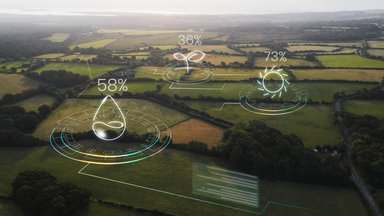
Thanks to Internet of Things (IoT) and AI technologies, it is possible to implement real-time control systems. This is especially useful in certifying complex processes such as manufacturing or construction.
- Sensors collect data from the production line.
- AI analyzes data and detects deviations from norms.
- If a problem is detected, the system automatically notifies the operator.
4. Risk management
Certification is often associated with risk management, especially in industries such as medicine or the food industry. AI helps:
- assess the likelihood of inconsistencies;
- Simulate scenarios of possible problems;
- Optimize certification processes to minimize risks.
Benefits of Using AI in Certification
- Speed and efficiency. AI algorithms work ten times faster than humans, reducing the time of verification.
- Cost reduction. Automation reduces the need for a large number of specialists.
- Increased accuracy. Human errors are excluded, which is especially important when working with large amounts of data.
- Scalability. AI is easily adaptable to handle increasing amounts of information and new standards.
- Forecasting. The ability to predict problems, which allows you to eliminate them before they occur.
Applications of AI in certification
1. Industry and production
AI is used to certify machines, equipment, machines. It checks product compliance with international standards such as ISO and conducts real-time quality monitoring.
2. Medical technology and pharmaceuticals
AI systems analyze laboratory studies and clinical trials. This reduces the time to bring medical devices and medicines to the market.
3. Food products
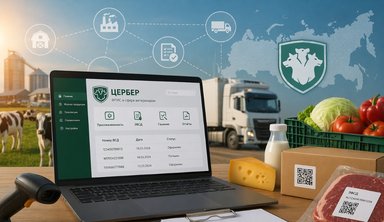
AI algorithms check products for compliance with sanitary and hygienic standards, analyze the composition, check the shelf life.
4. Software and IT
In the field of IT certification includes the assessment of code security, compliance with the requirements of the GDPR and other regulations. AI simplifies and accelerates these processes.
Challenges and constraints
Despite the obvious benefits, the use of AI in certification faces a number of challenges:
- Lack of standards. New standards should be developed to regulate the use of AI in certification.
- Cybersecurity. AI-based systems must be protected from hacking and data substitution.
- Ethical issues. AI solutions need to be transparent to avoid bias and error.
- Training specialists. Training of personnel capable of working with AI is required.
The Future of AI in Certification
In the coming years, the role of artificial intelligence in certification will only grow. The main areas of development include:
- Integration of AI with blockchain to increase transparency and trust
- Using generative AI models to create personalized recommendations
- The development of self-control systems, where AI fully automates verification processes.
AI is becoming an integral part of modern certification, making it faster, more reliable and more accessible. Thanks to technology, we are entering an era where compliance with standards will be achieved with minimal cost and maximum precision.