China allowed to deliver cars in Russia on Chinese rooms
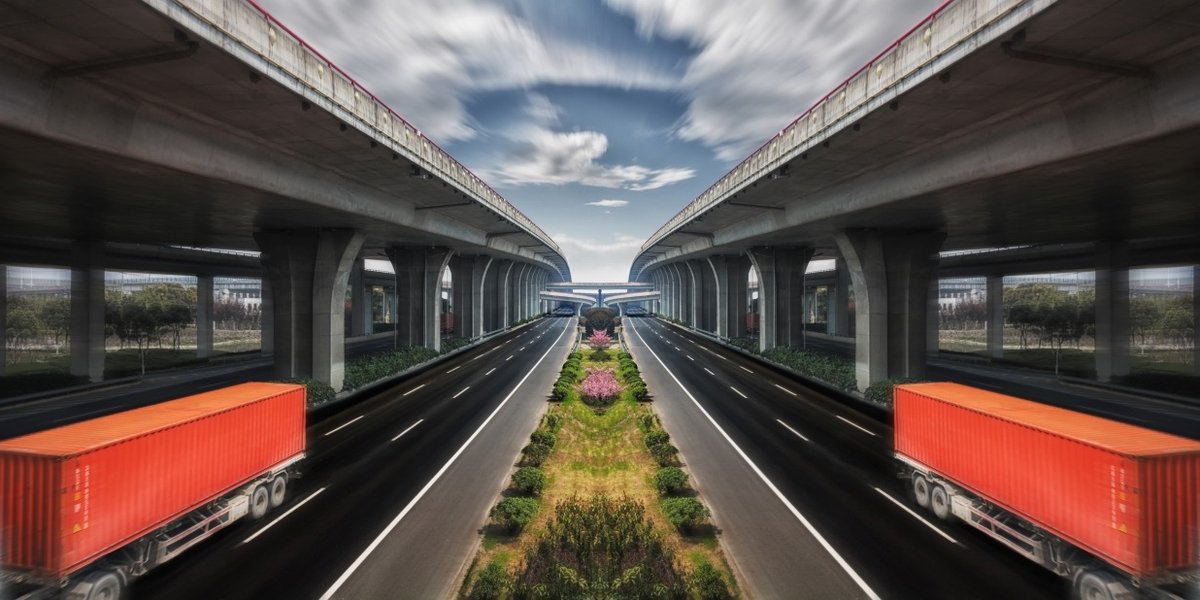
From 2024, Chinese carriers are officially allowed to Cargo transportation on the territory of Russia on Chinese numbers. It is part of agreements to deepen logistics and economic cooperation within the SCO, BRICS and bilateral strategic initiatives.
The news has generated mixed reactions, from enthusiasm among businesses to concern among logistics and regulators. Below is a detailed analysis What does it mean, what benefits does it bring, and what risks are behind it?.
Advantages
1. Reducing logistics costs
- The need for transshipment of goods on the Russian border (For example, in Zabaikalsk, Blagoveshchensk, Manchuria).
- The cost of transportation is reduced by 15-40% depending on the route.
- Acceleration of delivery 1-3 days by reducing downtime and formalities.
2. Increased capacity
- Chinese cars immediately go deep into Russia, bypassing the narrow necks of transshipment points.
- Allows to increase the volume of traffic - especially in peak periods (autumn, before the NG, the season of supplies of building materials and equipment).
3. More flexibility for businesses
- Chinese manufacturers and logisticians can deliver goods directly to the regions of Russia - including warehouses in Siberia, the Urals, the Volga region.
- This is convenient for B2B (direct deliveries) and marketplaces (unloading at distribution centers Wildberries, Ozon, KazanExpress).
4. Growth of foreign economic activity
- The development of such transportation stimulates cross-border trade, creates a demand for translators, logisticians, brokers, service stations.
- This contributes to the economic revival in the Far Eastern Federal District, Transbaikalia, the Amur region.
Risks.
1. Pressure on Russian carriers
- Chinese companies often have Lower costs, government subsidies and cheap laborThis makes them more competitive.
- This could lead to Expulsion of Russian transport companiesespecially small and private.
2. Loss of jobs and tax base
- When using Chinese vehicles and personnel No jobs are created in Russia.
- Payment, taxes, fuel, service go to the economy of the PRC. without staying in Russia.
3. Difficulties with control and security
- Chinese Drivers, Cars, Telemetry Systems – All That Requires adaptation to Russian standards and legal field.
- There may be difficulties with regulation: fines, accidents, cargo tracking, insurance.
- Emerging. legal gaps in case of violations on the roads of the Russian Federation.
4. Language and operational barrier
- Many drivers speak only Chinese.
- This creates difficulties when passing traffic police posts, unloading, paperwork.
5. The threat of unfair competition
- Opportunity grey-importation goods without proper registration;
- Potential risk illegal or circumvention of Russian legislation on labeling, sanitation, safety.
Regulation
Russian and Chinese authorities are working to create bilateral legal regimeincluding:
- Admission of certain car models;
- Compulsory insurance in the territory of the Russian Federation;
- Temporary registration and GLONASS trackers;
- Border accreditation of carriers;
- Translation of documentation into Russian;
- Clear sanctions for violation of traffic rules and licenses.
Where does this already work?
The most active movement of Chinese trucks in Russia is noted:
- Through zabaikalsk (Chita - Manchuria)
- Through Annunciation - Heihe;
- Through Border - Suifenhe;
- Along the route Peaceful - Mohe.
Some Chinese auto convoys are already reaching Irkutsk, Novosibirsk, Yekaterinburg.
What does this mean for business?
| Business sector | What's changing? |
| Importers | Simplification of logistics, direct deliveries to warehouses |
| Russian logistics | Increased competition, the need to reduce prices |
| Dealers/RCs | Less downtime, more stable delivery times |
| Services | New market: translators, insurance, repair of Chinese vehicles |
| Customs and FNS | Increased workload, the need to track “foreign logistics” within the country |
Allowing Chinese carriers to work on the territory of the Russian Federation on their numbers is:
- Chance to accelerate imports;
- Stimulus for the development of international logistics;
- At the same time, it is a challenge for the Russian transport industry.
To benefit from this and minimize the risks, it is important to build symmetrical cooperation, protection of domestic carriers and legal infrastructureNot allowing outside players to bypass the rules of the game.