Customization for the customer as a way to retain the client
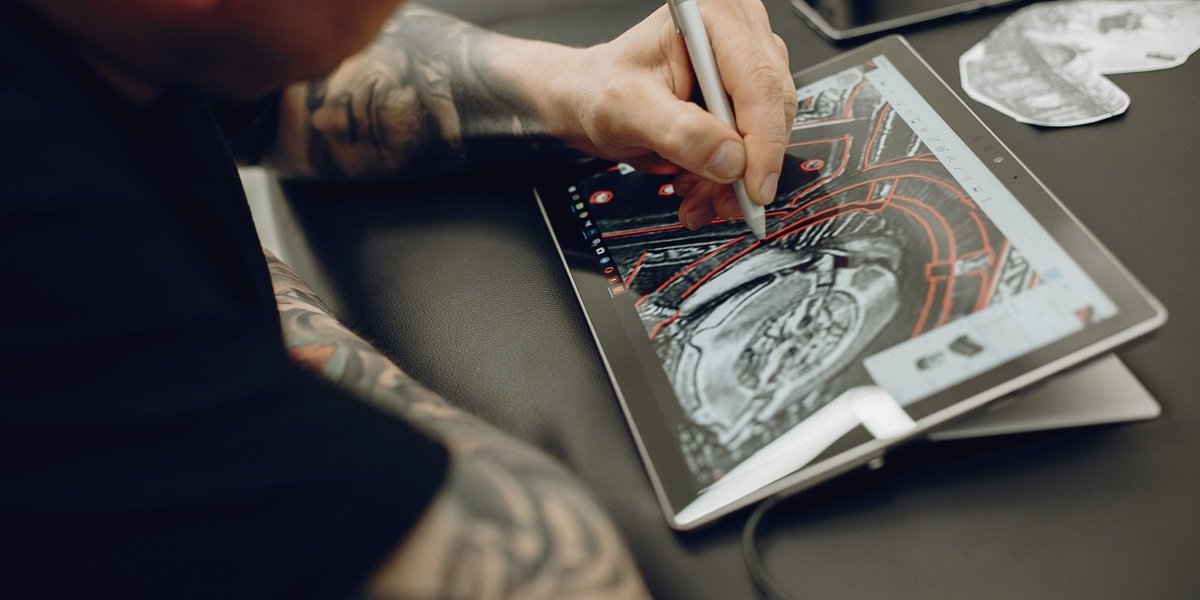
Today’s consumers strive for uniqueness and personalization. In an oversaturated market, standard products no longer elicit a proper response from the audience. Customization - the individualization of a product or service to the specific needs of the client - becomes a powerful tool not only to attract, but also to retain the consumer. However, its successful implementation requires close interaction of two key divisions of the company: marketing and production.
What is customization?
Customization (from "customization") It is the adaptation of a product or service to the preferences of a particular customer. It can be expressed as:
- changing the design, color, shape of the goods;
- selection of functional characteristics;
- personalized services;
- individual packaging or branding;
- Flexibility in terms of delivery and payment.
Unlike mass production, customization is not aimed at the average consumer, but at a specific person or a narrow segment.
Why Does Customization Keep the Customer?
Value enhancement
Personalized products are perceived as more valuable. The customer feels that the company understands and respects their individual requests.
Emotional attachment
The unique experience of interacting with a brand forms an emotional connection. The buyer becomes not just a customer, but an accomplice in the creation process.
Increased loyalty and repeat purchases
An individual approach builds trust in the brand. Satisfied customers return more often and less often go to competitors.
Word of mouth
People like to share unconventional experiences. Customization is an occasion to tell friends about the brand, in social networks or leave a positive review.
Marketing: How to identify the needs for customization?
Audience segmentation
The key to effective customization is knowing your audience. Segmentation on demographic, behavioral and psychographic characteristics allows you to offer exactly what you need.
Data collection and analysis
- Online surveys and feedback forms;
- Behavioral analytics (website, social networks, CRM);
- Monitoring reviews and mentions on the network;
- A/B testing customized offers.
Personalized offers
Based on the collected data, marketing forms customized offers:
- individual discounts;
- products "to your taste";
- Collections based on previous purchases.
Manufacturing: How to implement customization effectively?
Modular approach
Creating a product from universal modules allows you to vary the final result without restructuring the entire production line.
Flexible production processes
- small or single production;
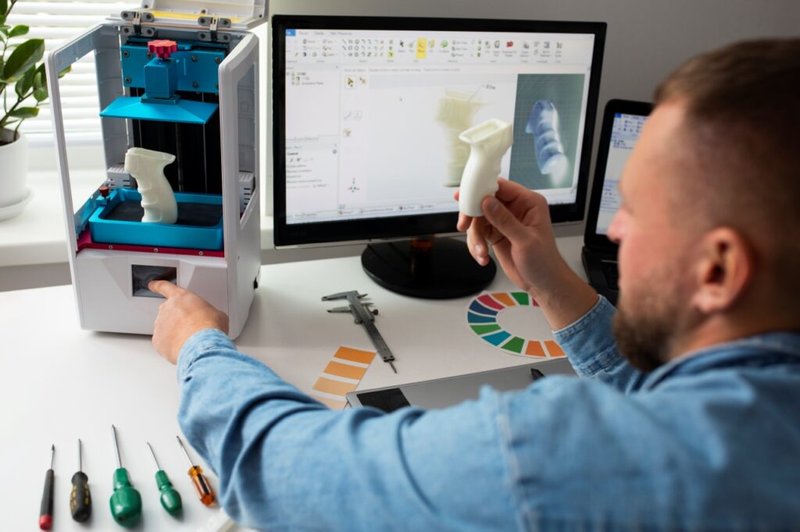
- Digital production (3D printing, laser cutting);
- Using AI and automation to adapt to orders.
Order management systems
The integration of ERP and CRM allows you to track individual order requirements, synchronizing marketing and production in real time.
Quality control
Customization should not reduce the level of control. It is necessary to implement standards for checking each unique product for compliance.
Synergy of marketing and production
Real-time feedback
Marketing should provide the production with data on current trends, customer preferences, complaints. Production, in turn, shares information about technical capabilities and limitations.
Joint product development
Creating a product line that assumes variability and adaptation begins with cooperation between departments at the design stage.
End-to-end digital tools
Integrated platforms (e.g. PIM, PLM, ERP, CRM) provide transparency and speed between departments.
Examples of successful customization
Nike By You
The platform allows users to customize shoes by color, material, and even add initials. This increases engagement and loyalty.
IKEA and interior planners
Buyers can create personalized solutions for the home based on size, style and budget, and production is customized to orders.
Coca-Cola and personalized bottles
The campaign with individual names on the bottles caused a storm of interest, sales growth and mass distribution in social networks.
Obstacles and solutions
| Problem. | Decision |
| Cost increases | Modular design, digital production |
| Slowdown | Process automation, limited range of options |
| Mistakes in personalization | Clear order interfaces, UX testing |
| Misunderstanding of needs | Deep analytics and surveys |
The future of customization
With the rise of AI, big data, and digital manufacturing technologies, customization is becoming the norm rather than a privilege. Companies that are already implementing personalization gain a competitive advantage in the form of high customer loyalty and flexibility to market changes.
Customization is not just a fashion trend, but a strategic tool for customer retention. Success is possible only with the close interaction of marketing, which knows what the customer wants, and production, which is able to implement it. Companies that learn to work at the intersection of these two worlds will be among the leaders of the new consumer age.