Future technologies and their global impact on the world
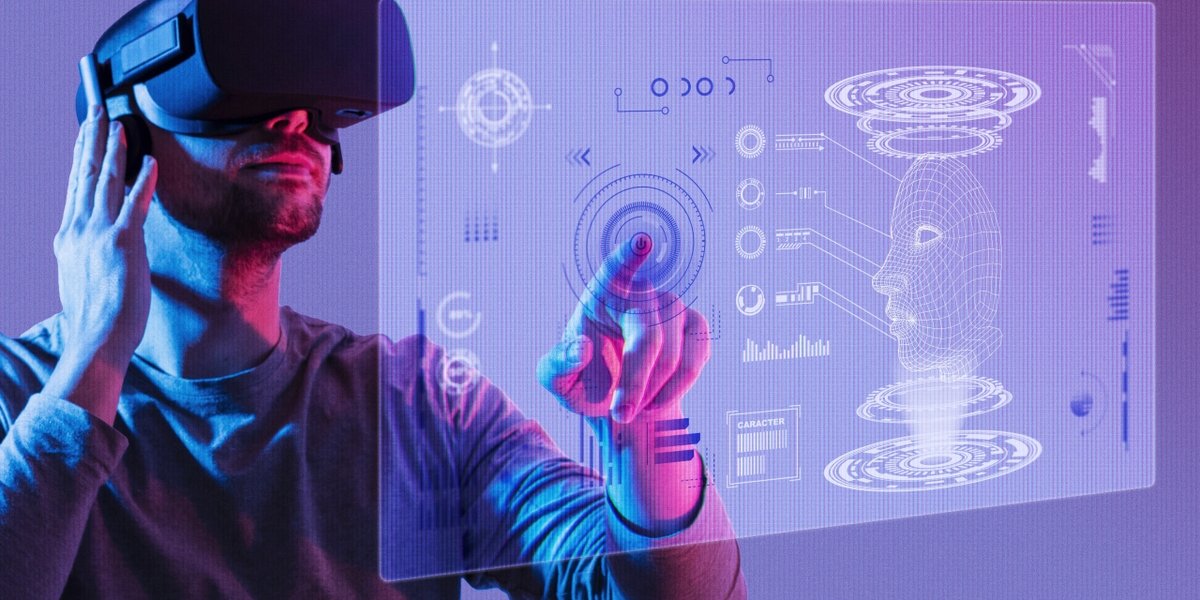
Technological development is no longer a linear process. Today, change is happening at such a speed that the boundaries between the present and the future are gradually blurring. What was once considered innovation is fast becoming the basic norm.
Technology is no longer just supporting the economy. - They form a new model of the world, influencing politics, business, society and even everyday life.
New stage of technological transformation
The current stage of technology development is characterized by the scale and depth of changes. We are not talking about individual inventions, but about the complex transformation of all spheres.
It comes to the fore:
- artificial intelligence
- automation and robotization
- digital platforms
- biotechnology
- energy innovation
They have one thing in common. - Ability to radically change existing processes.
Impact on the global economy
Technology is becoming a key driver of economic growth. Countries and companies that innovate faster gain a strategic advantage.
Major changes:
- Reducing costs through automation
- New markets
- Transformation of traditional industries
- competition
There is a redistribution of economic influence. Leaders are not only countries with resources, but also those who control technology.
Transforming the labour market
One of the most noticeable effects - Changing the structure of employment.
On the one hand:
- routine professions disappear
- Reducing the need for low-skilled work
On the other:
- Increasing demand for technology professionals
- New professions emerge
- Increased role of creative and analytical skills
This poses a challenge to education systems and requires rapid adaptation.
Technology and International Competition
Technological development is becoming an instrument of geopolitical influence.
Countries compete for:
- technology n
- data-control
- Development of own digital ecosystems
The result is a new configuration of the world order, where technological leadership is directly linked to political and economic influence.
Impact on business
For business, technology - It's both an opportunity and a challenge.
Companies get:
- scaler
- access to global markets
- New models of interaction with customers
But they do face:
- Continuous investment
- risk of technological backwardness
- competition
A business that does not adapt quickly loses ground.
Risks and limitations
Despite the obvious advantages, technological development carries a number of risks.
Key ones:
- dependence on digital infrastructure
- cyberthreats
- Increasing social inequality
- ethics
In addition, accelerating change can create instability at both the company and national levels.
Hidden consequences
Not all effects of technological transformation are obvious.
Long-term factors include:
- change in consumption patterns
- The growing role of data as a resource
- Increased influence of large technology companies
- transformation of the social structure
These processes are already underway, and their impact will only increase.
Development prospects
Further acceleration of technological progress can be expected in the coming years.
Main areas:
- development of artificial intelligence
- Integrating technology into everyday life
- strengthening the digitalization of the economy
- growth of autonomous systems
Technology will penetrate deeper into all spheres, forming a new reality.
Technology of the future - These are not individual tools, but the foundation of global change.
They determine not only the development of the economy, but also the structure of society, the nature of competition and the distribution of influence in the world.
The main question today - It's not about whether technology is going to change the world, it's about who's going to be able to adapt to it faster and use it to their advantage.