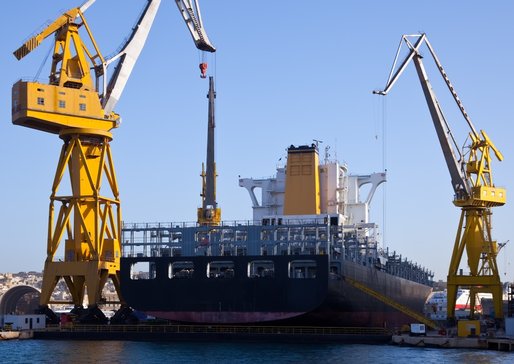
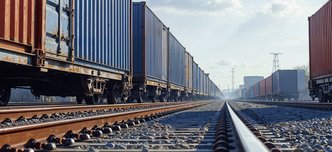
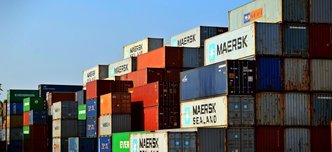
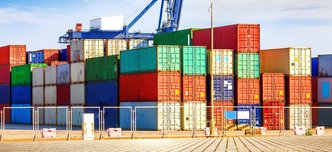
Container logistics is based on the infrastructure: containers, handling equipment, sites, fasteners, maintenance and safety standards. In this section, we explain what equipment is needed for the container site, what requirements are imposed on the organization of work and how to ensure reliable handling of goods without damage and downtime. We analyze the types of container equipment and practical selection criteria for the tasks of the warehouse, terminal or carrier.
A separate topic is renting a container for transportation: when it is more profitable than buying, what conditions and risks are important to check, how to choose a container for sea transportation and multimodal routes. We also consider market factors: container shortages, seasonality of demand, rate changes and the impact of infrastructure constraints on equipment availability. This approach helps not only to “understand the market”, but also to make applied decisions – from budget planning to preparing the site for traffic growth.