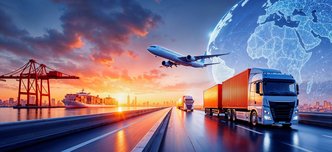
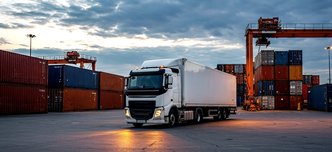
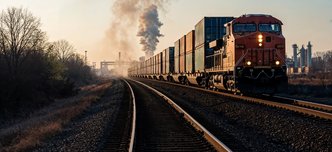
Transport logistics is not just a choice of “car or train”, but a whole system: routes, deadlines, terminals, documents, cost and risks in each section of the supply chain. In the materials of the section, we analyze in simple language how trucking and international road transportation of goods are arranged, which methods and principles help to reduce costs and avoid downtime, and in which cases it is more profitable to combine different types of transport.
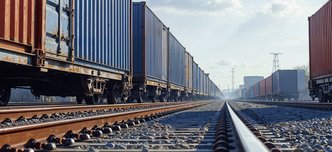
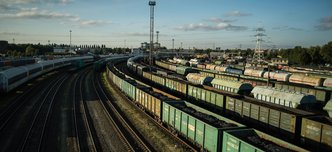
Special attention is paid to railway transportation: rules, requirements for registration, operation of stations and terminals, container platforms and transportation of dangerous goods. At the same time, we consider maritime logistics – from freight and flight planning to the role of the largest seaports in Europe and Asia in world sea transportation. If you work with containers, you will find understandable explanations of FCL and LCL schemes (including shipping from China, groupages and the nuances of 40-foot containers), as well as practical notes on cargo delivery and multimodal transportation.
We also publish news reviews: what is changing in road, air, sea and rail transport, what new railway terminals are emerging and how port infrastructure is developing. And, of course, we are talking about technologies – automation and robots in logistics, which already affect the speed of cargo handling, the transparency of routes and the quality of service.