Using Artificial Intelligence in Marketing
Artificial intelligence (AI) is becoming an integral part of modern marketing, providing companies with innovative tools to optimize processes, improve campaign effectiveness and improve customer interaction. In this article, we take a detailed look at how AI is transforming marketing, its key applications, benefits, and challenges.
What is Artificial Intelligence in Marketing?
Artificial intelligence in marketing involves the use of technologies that mimic human intelligence to automate, analyze data, predict and personalize marketing strategies. These can include machine learning, natural language processing (NLP), computer vision, and many other approaches.
The main directions of using AI in marketing
- Personalization of content
AI allows you to create personalized recommendations for each client, analyzing their behavior, interests and preferences. Examples:
- Recommendation systems in online stores.
- Dynamic adjustment of content on websites and in emails.
- Data analysis and forecasting
AI helps analyze large amounts of data to identify trends and predict consumer behavior. This is used for:
- Determine the optimal time to launch advertising campaigns.
- Estimates of demand for goods and services.
- Chatbots and voice assistants
With NLP, AI can automate customer communication through chatbots and voice assistants, providing instant support and information.
- Targeted advertising
AI helps create more accurate and effective advertising campaigns by analyzing the preferences and behavior of the target audience.
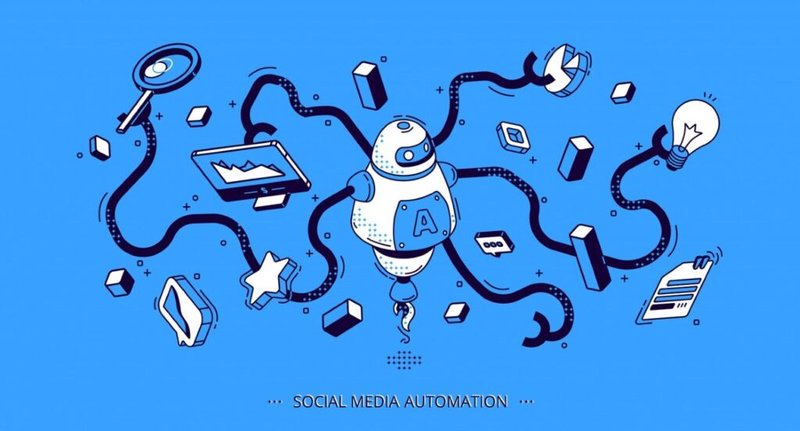
- Marketing automation
AI systems can automate campaign management, A/B testing, audience segmentation, and other tasks.
The Benefits of Using AI in Marketing
- Improving efficiency. Automating routine tasks allows marketers to focus on strategy.
- Improve the user experience. Personalization and operational support make interaction with the brand more comfortable.
- Saving resources. Automation reduces the cost of many processes.
- Deep analytics. AI analyzes data faster and more accurately than humans.
Examples of using AI in marketing
- Amazon. Recommendation systems analyze purchases and views, offering relevant products.
- Netflix. Personalize the selection of movies and series based on user preferences.
- Coca-Cola. It uses AI to analyze audience behavior on social media and create viral content.
Challenges and constraints
Despite all the advantages, there are also problems:
- Algorithm transparency. Many companies do not understand how AI systems work.
- Ethical issues. The use of personal data raises privacy concerns.
- High cost of implementation. Small businesses may have difficulty integrating AI.
The Future of AI in Marketing
Every year, AI technologies become more accessible and powerful. It is expected that in the future:
- Personalization will reach an even higher level.
- The integration of AI with Internet of Things (IoT) devices will increase.
- Ethics and transparency will be key to success.
The use of artificial intelligence in marketing opens new horizons for companies. This is a powerful tool that, if implemented correctly, can not only improve customer interaction, but also take business to the next level. However, it is important to keep ethical considerations in mind and consider potential risks so that technology serves both business and society.