Photos and videos from factories as a marketing asset
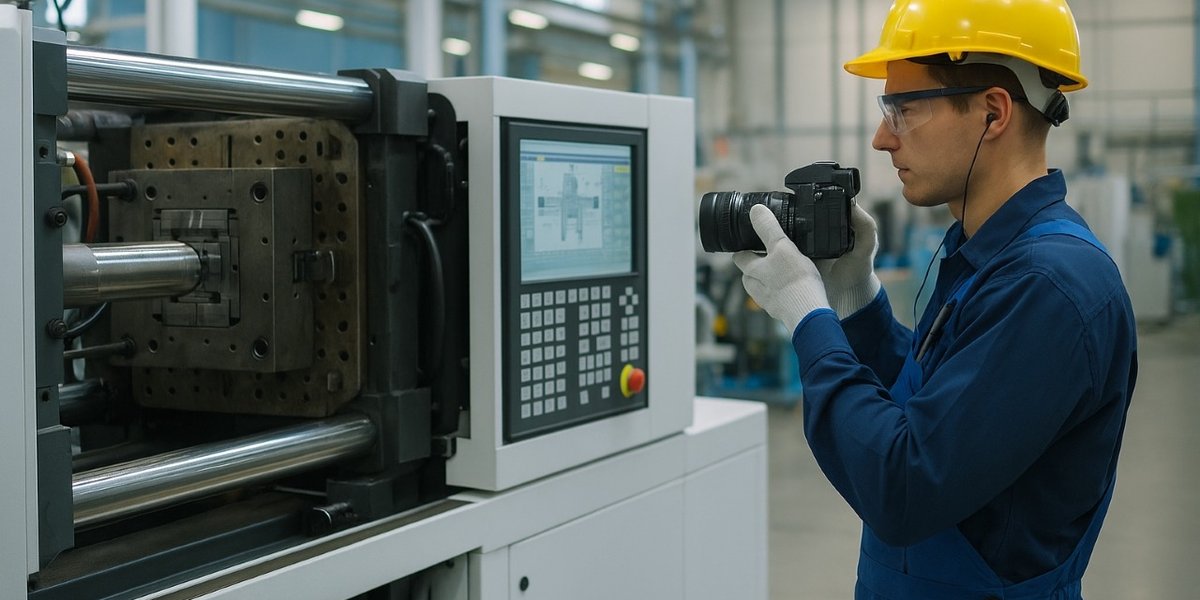
In the era of digital transparency, when trust is the key to a deal, Photo and video materials from production This is the most important selling tool in B2B. Showing the manufacturing process, equipment, employees and quality control is telling the customer, “We are real.” We can be trusted”.
Let’s look at why visual content from factories has become a real asset and what B2B customers want to see in 2025.
Why photos and videos from the factory are more than a picture
For B2B buyers, visual content is:
- Confirms. production;
- Demonstrating. scale, purity, technical level;
- It serves as a substitute. personal visit to the factory;
- Increases confidence in cross-border (especially when buying from China, India, Turkey, etc.);
- Reduces the decision cycle.
In fact, photos and videos become a part of evidence-base In the negotiations, "Here's how we make, here's how we package, here's your order on the line."
What does a B2B client want to see?
Production
- General plan of workshops and production lines;
- Technological processes: casting, welding, packaging, testing;
- Employees at work in uniform and TB compliance.
Video and photo should be topical Nobody wants to see a 5-year-old movie.
Equipment and technology
- Modern machines, machines, CNC, laboratories;
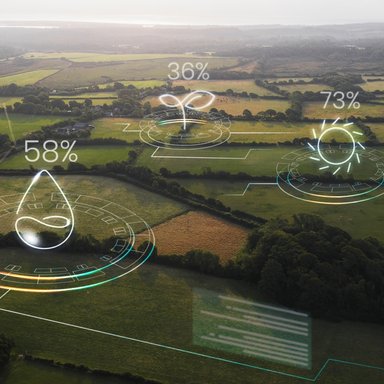
- Drone shooting from above: scale and logistics
- Time-lapse rollers of the manufacturing process.
If imported equipment is a plus, it is worth noting.
Quality control
- Photography of the laboratory and inspectors;
- Photo marking, bar codes, certification;
- Testing strength, size, packaging.
Packaging and shipment
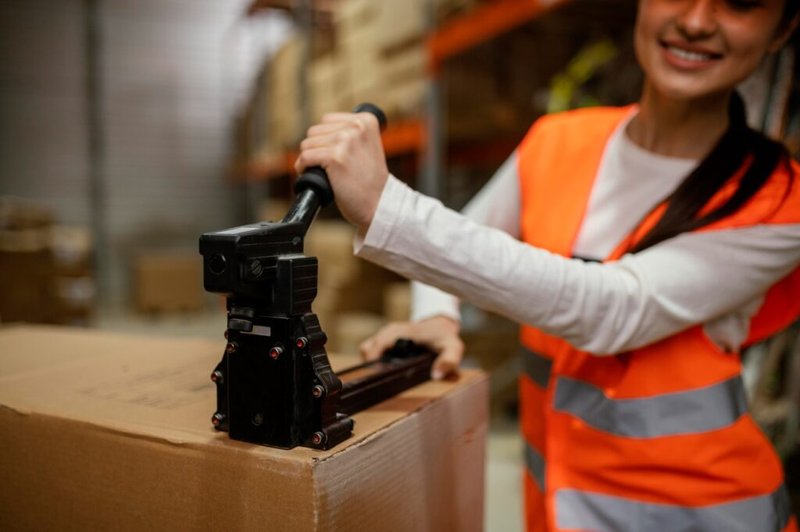
- What products look like in warehouse and in shipping containers;
- How to load into the container or truck;
- Video palletization, thermal shrinkage, labeling.
People and culture
- Manager in the frame (address to partners);
- Interview with the head of production or the manager of foreign economic activity;
- Team in uniform, corporate atmosphere, compliance with standards.
Formats and approaches
Photo Photo
- JPEG/PNG for website, marketplaces, commercial offers;
- Mini-series: "Production", "Control", "People", "Shipping";
- Preferably -- styleThe right light, without the right knee.
Video
- 1-2 minute videos – ideal for LinkedIn, YouTube, presentations
- 15-second vertical videos for WhatsApp, Telegram and short presentations
- Voice-over/subtitles in English (if export channel).
Where and how visual content from the factory is used
| Platform/channel | Format and purpose of use |
| Commercial offer (PPT/PDF) | Photos of the production line and people at work |
| Catalog/brandbook | Portraits, equipment, processes |
| Marketplaces | Product + Production Gallery |
| Negotiations on Zoom | Video of "virtual tour" |
| Exhibitions and stands | Screenshot, photo panels |
| Company website | Background video, section "Production" |
| LinkedIn, YouTube | HR/PR videos about the company |
Mistakes That Kill Trust
- Old photos with a “stock” look (not from your production);
- Low quality, dark shots, poor focus;
- Hiding important areas: instead of the workshop - the facade of the office;
- TB violation on personnel (workers without PPE);
- The absence of people is like a photo studio, not a factory.
Investment with high ROI
Cost of professional photo and video session:
- from 300 to 1,000 USD a basic set of content;
- from 1500 USD and above Full-fledged video production with editing, drones, voice-over and adaptation for marketing.
Payback comes afterward 1-2 major transactionsEspecially when it comes to foreign trade.
Industrial visual content = argument in negotiations + marketing asset + foundation of trust.
In 2025, B2B buyers aren’t looking for a global brand – they’re looking for a global brand. where and how You're working. Visualization is your honesty, competitive advantage, and reputation packaging.