90% of logistics defaults in Russia: the problem of postpayment and real solutions
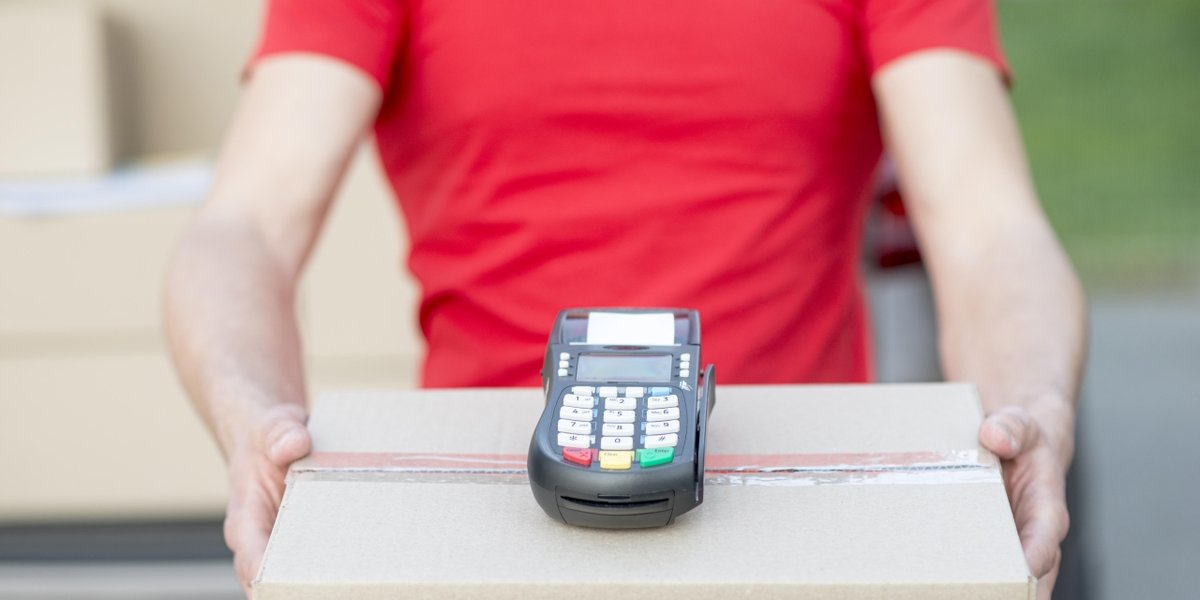
The logistics market in Russia today faces a systemic problem, which almost all industry participants talk about, but rarely take out in the public field. It's about non-payments.
According to market participants, up to 90% of problems in logistics are somehow related to post-payment work. These are not isolated cases, but a persistent risk pattern that affects the entire supply chain.
Why postpayment has become a problem
Initially, postpayment was considered as a tool to attract customers. The companies agreed to defer payment to get the contract and retain the customer.
Over time, this has become the norm of the market.
But there are also systemic distortions:
- Customers are beginning to accept delay as a prerequisite.
- Growing cash gaps for logistics companies
- Increased number of delays and non-refunds
In fact, logistics started lending to customers. - without banking instruments and without adequate protection.
How non-payments are formed
The problem does not always arise from malice. More often, it's a chain reaction.
Main reasons:
- cash-out
- delays in payment of their contracts
- bankruptcy
- avoidance schemes
Companies that work with a large number of intermediaries or in highly competitive segments are particularly vulnerable.
Real Implications for Business
Non-payment in logistics - It's not just a money lag. This is a direct blow to the sustainability of the business.
Companies face:
- working capital shortage
- Inability to pay for transport and contractors
- disruption
- loss of reputation
As a result, the entire chain suffers: from the carrier to the end customer.
Key Market Mistake
The main problem - It is not the non-payments themselves, but the treatment of them as “working risk.”
Many companies continue to:
- work without stringent contractual conditions
- don't check counterparties
- agree to any terms for the sake of the deal
This creates an environment where risk becomes the norm.
Solution: move to prepayment
One of the most effective solutions - Transition to the prepayment model.
Yes, this may seem like a tough move, especially in a competitive environment. But it's the one that allows:
- cash-out
- reduce the risk of non-return
- Increase customer financial discipline
Companies that have already introduced prepayment note a sharp decrease in problem situations.

Strengthening the treaty framework
One prepayment is not always enough. It is important to strengthen legal protection.
Key instrument - contract of guarantee.
What it does:
- responsibility of the director
- level of protection
- probability of payment
In fact, it is a transfer of responsibility from the company (which can be liquidated) to a specific person.
Pros of the new work model
The transition to prepayment and strengthening of contracts gives businesses:
- steady-flow
- reducing the risk of non-payment
- transparency
- Only work with reliable customers
Yeah, some of the customers might leave. But there are those who are really willing to work long.
Possible difficulties
It is important to understand that the transition will not be painless.
Companies may face:
- loss
- market resistance
- Restructuring processes
But these are short-term challenges that are offset by business sustainability.
Implementation strategy
A sharp transition to prepayment is not suitable for everyone. A step-by-step approach is more effective:
- Introduction of prepayment for new customers
- revision of conditions for current
- segmentation
- gradualization
This approach helps to maintain a balance between sales and security.
The problem of non-payment in logistics - This is not an accident, but the result of an established practice of postpayment.
The market is gradually coming to the realization: to work in debt without protection. - It means systematically creating risks for your business.
Transition to prepayment and strengthening the contractual basis - It's not just security. This is a step towards a mature and sustainable work model.
And in the coming years, these companies will form a new industry standard.