Priority for GU-12 approval in 2026
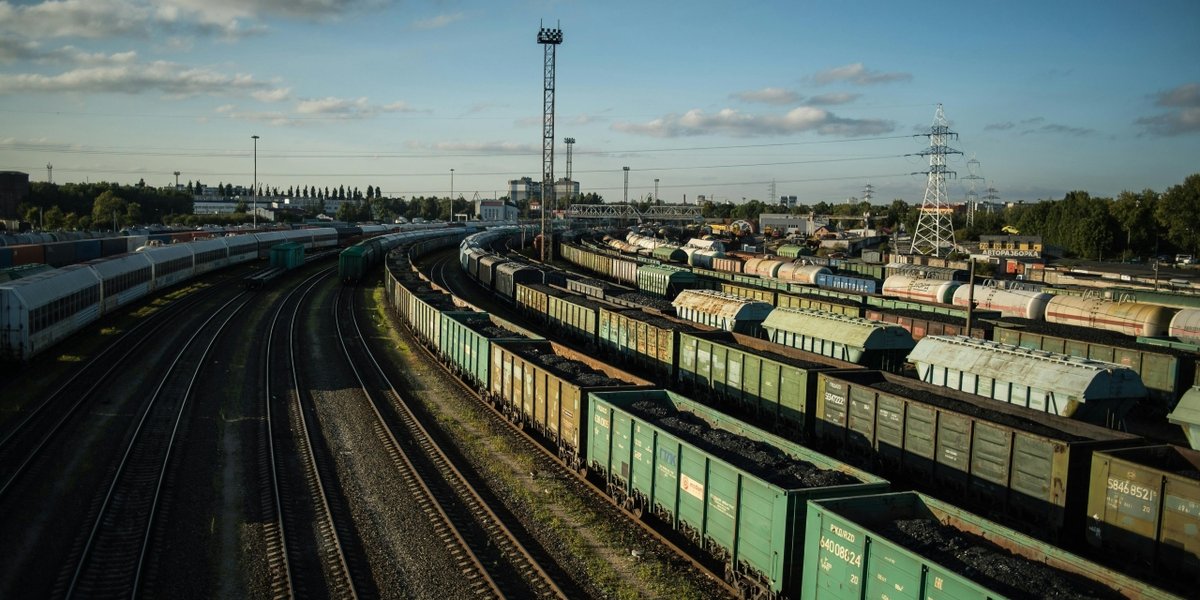
The order of approval of the GU-12 has long ceased to be a formal procedure. Today it is a tool for managing cargo flows throughout the country.
The decision on approval is no longer taken automatically according to the filing chronology. Behind each application is an analysis of the infrastructure, government policy, export objectives and discipline of the shipper.
In fact, harmonization - It is a balance between infrastructure capabilities and strategic interests.
The queue is no longer calendar.
Previously, many market participants were guided by a simple principle: who previously filed - He got approval before.
Now the system works differently. The order is formed not by the time of submission, but by a set of factors.
First of all, the state of infrastructure is analyzed. If the direction is overloaded, if there are traction or capacity restrictions on the site, even a perfectly executed application can be postponed or rejected.
This is especially noticeable in export areas, where real physical capacity is distributed every month. - It's not just "paper" volumes.
Government priorities become key factor
In recent years, the railway system has become a tool for implementing macroeconomic policies.
This means that not all cargoes receive priority equally.
In the priority area today are:
- export products with foreign currency earnings;
- goods under interstate agreements;
- Strategic raw material positions;
- supply to the industrial complex;
- Directions included in international transport corridors.
Thus, the priority of coordination is directly related to the tasks of the country's economy. If a direction or nomenclature falls into strategic focus - The probability of agreement is higher.
Centralization of solutions: changes within the carrier
One of the major changes in recent years - increased centralization.
Previously, a significant part of decisions were made at the level of regional units. Today, key volumes and directions are controlled centrally.
This has led to several consequences:
- increased control over the distribution of capacity;
- There are more stringent limits on destinations;
- Applications are analyzed taking into account the system-wide load, not just the regional situation.
- The impact of long-term corporate contracts has increased.
The system has become less flexible but more manageable.
Quotations and Limits: The New Reality
There are actual quotas in a number of areas.
Each month, the permissible volume of loading is formed along a specific nomenclature and route. If the limit is selected - Additional applications will not be agreed, even with the technical readiness of the cargo.
This is particularly noticeable:
- on the eastern export routes;
- on approaches to ports;
- in overloaded industrial and raw materials areas.
In fact, the queue becomes a mechanism for allocating quotas.
The reputation of the shipper matters
The system analyzes the history of the company.
If the consignor:
- does not regularly select agreed amounts,
- It systematically overstates applications.
- allows deviations in actual loading,
- does not comply with financial discipline,
Your future applications automatically lose priority.
Priority becomes an instrument of market discipline.

Mobility as a factor of harmonization
The presence of a real park - Another key element.
If the application is not supported by guaranteed rolling stock, especially in conditions of shortage of gondola cars or fitting platforms, the likelihood of approval is reduced.
Today, the system assesses not only the cargo itself, but also the readiness of the entire logistics chain.
Regional specificity remains
Despite the centralization, the regional factor still plays a role.
Different polygons differ:
- degree of workload;
- priority of nomenclatures;
- infrastructure constraints;
- the impact of export flows.
Southern routes are strengthened by grain transportation, eastern - through raw materials exports and containers, the Northwest - in the context of redistribution of foreign trade.
The order is formed taking into account this dynamic.
Typical errors that reduce the likelihood of matching
In practice, the following problems are most common:
- overestimation of the volume of "in reserve";
- lack of accurate nomenclature detail;
- submission of applications without taking into account infrastructure repairs;
- lack of coordination with the operator of cars;
- Ignoring limits by direction.
Under new conditions, such errors accumulate and affect future periods.
Practical strategy of work
Under the new coordination model, companies that:
- plan volumes realistically;
- build a long-term performance history;
- pre-analyze the capacity of the direction;
- The volume is divided within the month;
- They have backup routes.
Forecast for 2026-2027
The current trend indicates:
- further digitalization of application analysis;
- strengthening control of actual loading;
- integration with the wagon traffic monitoring system;
- Preserving the priority of export destinations;
- strengthening the role of public transport policy.
The order of coordination finally becomes a tool for managing cargo flows at the country level.
The order of approval of the GU-12 today reflects the balance between infrastructure, economics and market discipline.