Production in Pakistan: Exports and Major Players
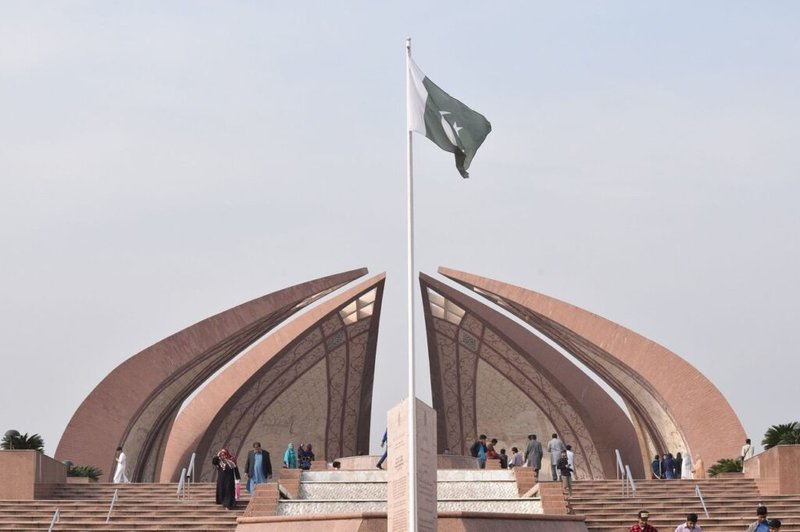
Pakistan, the sixth most populous country in the world, has significant economic potential, which is being actively implemented in the manufacturing sector. Manufacturing plays a key role in Pakistan’s economy, contributing to GDP growth, job creation and foreign economic activity. In this article, we will look at the main aspects of Pakistan’s manufacturing sector, analyze export and import statistics, and identify key export-oriented players.
Structure of the productive sector
Pakistan’s manufacturing sector is divided into three main categories:
- Light industry (textile, food, clothing, etc.);
- Heavy industry (mechanical engineering, metallurgy, chemical industry, etc.);
- High-tech production (electronics, pharmaceuticals, etc.).
Each of these categories contributes to the economy of the country, occupying certain niches in the domestic and international markets.
Main industries of production
- Textile industry:
- The textile industry is the backbone of Pakistan’s economy, accounting for about 60% of the country’s exports. Pakistan ranks fourth in the world in cotton production and has a significant share in world textile production.
- Main goods: yarn, fabrics, clothing, bed linen and towels.
- The largest manufacturers are Nishat Mills, Gul Ahmed, Khaadi.
- The agro-industrial sector:
- The food industry plays an important role in the country’s economy, producing both products for domestic consumption and for export. Pakistan is a major producer of rice, sugar cane, wheat, and fruits and vegetables.
- Basic goods: rice, sugar, fruits, spices.
- The largest producers are Engro Foods, National Foods, Shan Foods.
- Chemical industry:
- The chemical industry of Pakistan is actively developing, meeting the domestic needs of the country and occupying a significant position in the international market.
- Main goods: fertilizers, plastics, pharmaceuticals.
- The largest manufacturers are Fauji Fertilizer, ICI Pakistan, GlaxoSmithKline Pakistan.
- Metallurgy and mechanical engineering:
- Metallurgy and mechanical engineering include the production of steel, aluminum and engineering products used in various industries, including construction and transportation.
- Main goods: steel, aluminum, cars, agricultural machinery.
- The largest manufacturers are Pakistan Steel Mills, Millat Tractors, Atlas Honda.
Exports and imports: statistics
Pakistan actively participates in international trade, exporting products to more than 100 countries. The main export partners are the United States, China, the United Kingdom, Germany and the United Arab Emirates.
Exports:
In 2023, Pakistan’s total exports amounted to approximately $31.8 billion. Textiles account for the bulk of exports (about 60%), followed by agricultural products (20%), chemical products (10%) and metallurgical goods (5%).
Textile exports: $19.1 billion.
Agricultural exports: $6.4 billion.
Import:
Pakistan’s total imports in 2023 were about $63.4 billion. The most important import items are oil and petroleum products (30%), machinery and equipment (20%), chemical products (15%) and food products (10%).
Imports of oil and petroleum products: $19 billion.
Imports of machinery and equipment: $12.7 billion

Major export-oriented producers
- Nishat Mills:
The largest textile manufacturer of Pakistan, specializing in the production of yarn, fabrics and finished clothing.
Products are exported to more than 50 countries.
- Engro Corporation:
A diversified company engaged in the production of fertilizers, food and chemical products. It exports products to Asia, Africa and the Middle East.
- Millat Tractors:
The leading manufacturer of agricultural machinery in Pakistan, whose products are exported to more than 20 countries.
- Pakistan Steel Mills:
The country’s largest steel plant, producing steel for domestic needs and exports.
Pakistan’s manufacturing sector, with its diverse industries and high export potential, is a key engine of the country’s economic growth. Textile industry, agro-industrial sector, chemical and metallurgical industries play an important role in the formation of GDP and international trade. In the context of the global economy, Pakistan continues to develop its production capacity and expand its presence in the world market, which contributes to strengthening its position as an important player on the world stage.