Massive flow of capital from China to Russia
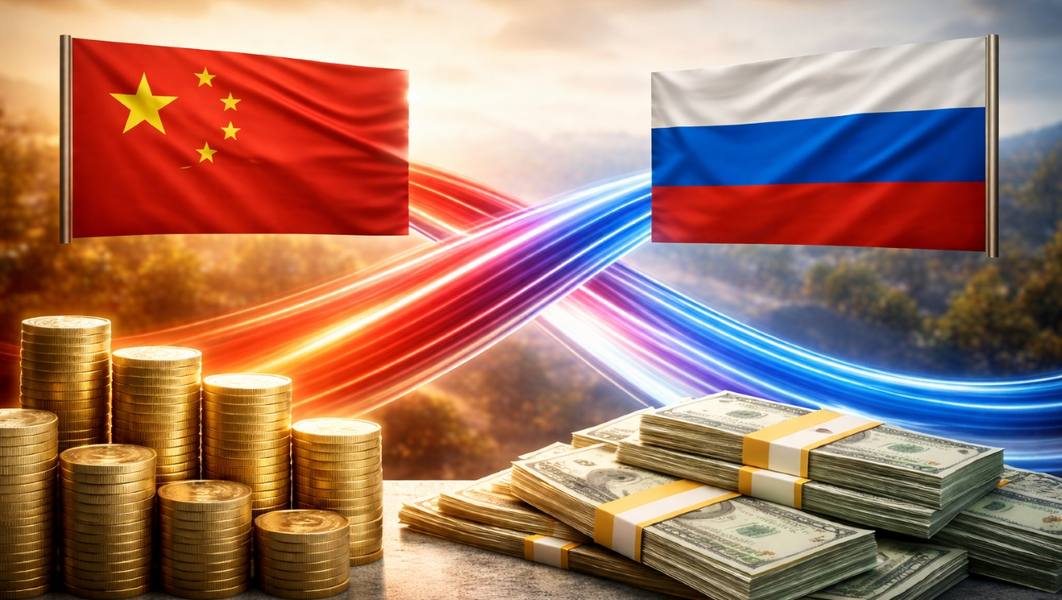
In recent years, the trend of redistribution of Chinese capital outside the country has become increasingly noticeable. Russia has a special place in this process. - As a market, as a production site and as a strategic direction for investment.
It's not just about trade, it's about a deeper process: transferring money, technology and business models. This creates a new configuration of economic relations and influences the structure of production in the region.
Why capital is leaving China
China has long been a global manufacturing hub due to its low cost and scale. However, by 2025-2026, the situation has changed.
Domestic cost growth was a key factor:
- labour-value increase
- fuelling
- environmental constraints
- Improvement of internal regulation
As a result, production outside of China becomes more cost-effective for a number of product categories.
Russia as a point of attraction
Against the background of these changes, Russia is beginning to be perceived by Chinese business as a promising destination for the placement of capital.
Main reasons:
- access
- Relatively low production costs in individual segments
- geographical proximity
- Opportunity to enter new markets
In addition, the role of bilateral cooperation is increasing, which reduces barriers to capital flows.
Technology exchange as a key factor
One of the most significant elements of the current process is not just an investment flow, but a technological exchange.
When entering the Russian market, Chinese companies bring:
- production
- management models
- digitalization
- scalability
This allows not only to launch new projects, but also to increase the efficiency of existing production facilities.
Saving capital and diversifying risk
The export of Chinese capital abroad is also associated with the need for diversification.
The business seeks:
- reduce dependence on the domestic market
- Protecting assets from possible restrictions
- expand the geography of presence
In this context, investments in Russia are considered as one of the tools for preserving and redistributing resources.
Which industries are in focus
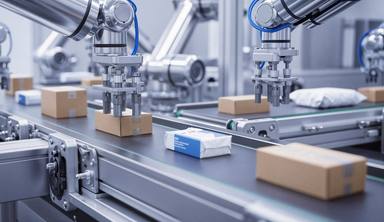
The greatest interest of Chinese investors is concentrated in segments where it is possible to quickly get the effect of localization of production.
Among them:
- processing
- light industry
- componentry
- assembly
Projects where the Russian resource base and Chinese technologies can be combined are particularly in demand.
Impact on production costs
One of the key factors is the cost difference.
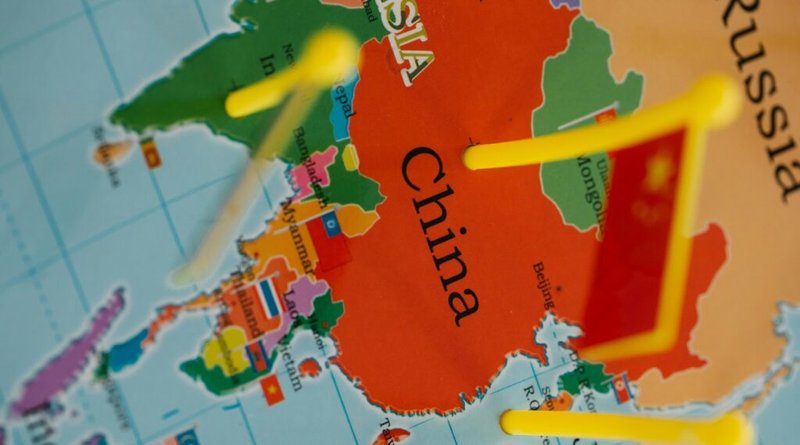
While China used to be a global hub for cheap manufacturing, the situation is changing for a number of products. In some countries, including Russia, it becomes more profitable to produce by:
- cheaper resources
- reducing logistics costs
- localization of production for the market
This leads to a gradual redistribution of production capacity.
Market and business impact
For Russian business, the current situation opens up new opportunities, but at the same time creates challenges.
On the one hand:
- technology n
- growth
- development of the production base
On the other:
- competition
- pressure on local producers
- The need to adapt to new standards
Companies that can fit into new chains will have an advantage.
Risks and limitations
Despite the positive dynamics, the process is not unequivocal.
Among the key risks:
- regulatory constraints
- differences in business culture
- Difficulties in managing joint projects
- dependence
In addition, not all projects are successful without deep adaptation to local conditions.
Prospects
The current trend indicates further strengthening of investment cooperation between China and Russia.
Probably:
- increase in the number of joint ventures
- deepening of technological exchange
- development of local clusters
However, the key to success will be the ability of businesses to effectively integrate the resources of the two countries.
Massive flow of capital from China to Russia - This is not a temporary phenomenon, but part of a global redistribution of production and investment.
The logic of the world economy is changing: money follows efficiency, and production. - at the cost.
For businesses, this means adapting to new conditions faster and finding a place in emerging chains.