Iran’s Manufacturing: Sanctions and Revival
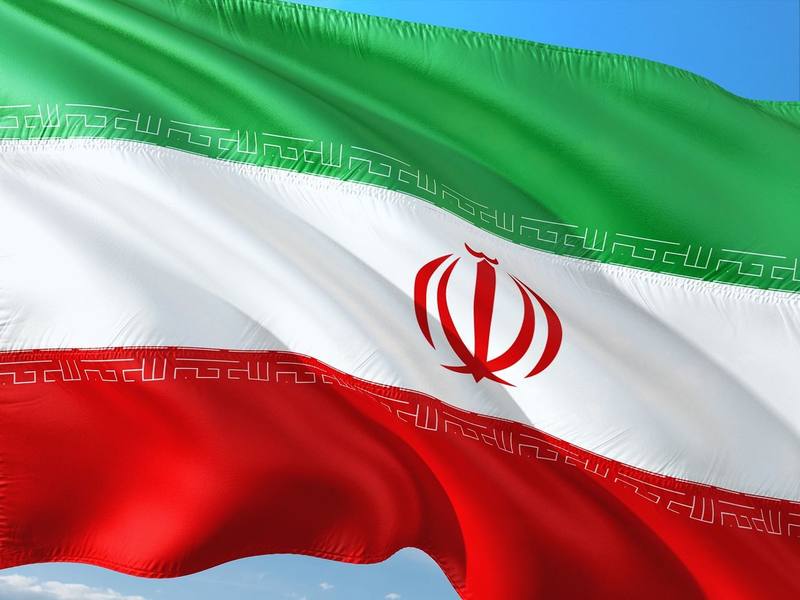
Iran’s manufacturing economy is a combination of powerful oil and gas industry, developing industry and agriculture.
General economic data
Located in a strategically important region of the Middle East, Iran is one of the largest economies in the region due to its extensive natural resources and developed industrial base. As of 2023, Iran ranks 18th in the world in nominal GDP among the world’s countries, driven primarily by its oil and gas sector, which is the country’s main source of income.
Key indicators:
- GDP: About $610 billion (nominal).
- Population: About 85 million people.
- Inflation: 35-40% (data may vary due to the impact of sanctions and instability in the foreign exchange market).
- Unemployment: 11-15%, depending on region and sector
Main industries
Iran has a diversified economy despite its heavy dependence on the oil sector. Major industries include:
- Oil and gas: The main driver of the economy. Iran has the world’s fourth largest oil reserves and the second largest natural gas reserves.
- Automotive industry: The second largest industry after energy. Companies like Iran Khodro and SAIPA are the largest automakers in the Middle East.
- Metallurgy and steel production: Iran is one of the largest steel producers in the world. Steel and aluminum production supports domestic construction and exports.
- Food industry and agriculture: Food production, including the cultivation of fruits, vegetables and grains, as well as their processing.
- Chemical industry: Production of fertilizers, chemicals and plastic products.
Iran exports
Iran’s exports play an important role in its economy despite restrictions imposed by international sanctions. Major exports include:
- Oil and petroleum products: They account for more than 50% of total exports. The main importers are China, India, South Korea and Turkey.
- Gas and LNG: Although the share of gas in exports is less than oil, it is gradually gaining momentum, especially thanks to exports to the countries of the region.
- Metals and minerals: Steel, copper, aluminum and iron ores.
- Food products: Includes fruits, nuts (especially pistachios), saffron and dried fruits that are exported to Europe and Asia.
- Chemical products: Petrochemical and fertilizer products occupy a significant share in exports.
Export statistics (2023):
Total exports: about $100-120 billion.
The main exporting countries are China (30-35%), India (10-15%), UAE (5-10%).
Iran imports
Iran’s imports, despite sanctions, remain an important element in meeting domestic needs and supporting industry. The main categories of imports include:
- Machinery and equipment: Including equipment for the oil industry, production and construction.
- Raw materials and semi-finished products To maintain production facilities, especially in the metallurgy and chemical industries.
- Food products: Includes grains, meat and sugar, which are not always available in sufficient quantities in the domestic market.
- Medicines and medical equipment: An important category, especially in light of limited domestic production.
Import statistics (2023):
Total imports: about $40-60 billion.
The main supplier countries are China (20-25%), UAE (15-20%), Turkey (10-15%).
Large export producers
Iran has several large enterprises that play a key role in its exports:
- National Iranian Oil Company (NIOC) The main player in the global oil market, controlling the production and export of oil.
- Iran Khodro and SAIPA: The largest automakers exporting cars to neighboring countries and Africa.
- Mobarakeh Steel Company: One of the largest steel producers in the region, focused on exports to Europe and Asia.
- Persian Gulf Petrochemical Industries Company (PGPIC) The largest petrochemical company, actively supplying products to Asia and Europe.
Impact of sanctions on the economy
International sanctions imposed on Iran over its nuclear program are having a significant impact on its economy. These restrictions have reduced oil exports, hampered access to international financial systems and made it more difficult to import technological equipment.
However, Iran has adapted to these conditions by developing domestic production, expanding relations with East Asia, and boosting trade with neighboring countries. Sanctions have also spurred the growth of the shadow economy and the development of alternative financial channels.
Iran’s manufacturing economy is a combination of powerful oil and gas industry, developing industry and agriculture. Despite tough sanctions, the country retains significant export potential and continues to play an important role in the regional economy. In the future, possible changes in the geopolitical environment and the lifting of sanctions could open up new opportunities for Iranian production and trade.