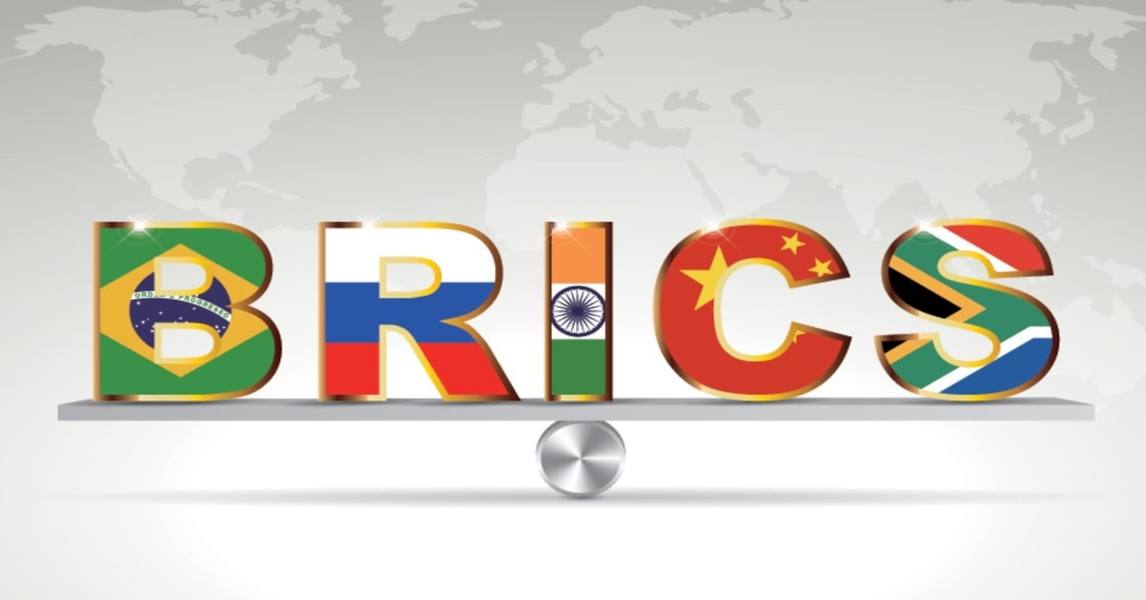
Opening of production in BRICS countries
The key to success is proper strategic planning, taking into account the characteristics of the chosen region and a long-term vision.
Developing countries such as Brazil, South Africa, Egypt, the UAE and Ethiopia provide businesses with huge growth opportunities. Each of these countries offers unique conditions for the creation of industries: from preferential tax regimes and cheap labor to access to strategically important markets.
In this article, we will look at the key advantages, features and pitfalls of starting production in these countries, as well as give recommendations for a successful business start-up.
Brazil
Opportunities
- Industrial zones: Tax incentives and developed infrastructure for foreign investors.
- Access to Latin American markets: Brazil is the gateway to the South American market.
- State support programs: Incentives for localization of production in mechanical engineering and IT.
Features
- A complex tax system with high rates.
- Significant bureaucracy slowing down business registration processes.
Pitfalls
- An unstable economy with currency risks.
- Corruption and high costs of interaction with government agencies.
South Africa
Opportunities
- Free Economic Zones (SEZ): Tax incentives and support for export-oriented industries.
- Natural resources: Access to key minerals.
- Qualified personnel: High level of professional training of employees in a number of industries.
Features
- Unevenly developed infrastructure: from modern logistics centers to problem regions.
- Limited domestic market, offset by export potential.
Pitfalls
- High crime rate.
- Political instability and social unrest.
Egypt
Opportunities
- Geographical situation: Gateway to the markets of Europe, Africa and Asia.
- Economic zones: Suez economic corridor with tax incentives and investor support.
- Low cost of labor: A large number of available unskilled workers.
Features
- Continuous reforms of economic legislation.
- Infrastructure development through major national projects.
Pitfalls
- Bureaucracy and lengthy permits.
- Foreign exchange risks, including periodic devaluation.
- Political instability in certain regions.

United Arab Emirates (UAE)
Opportunities
- Free Economic Zones (FEZ): More than 45 zones with full tax exemption and 100% foreign ownership.
- Modern infrastructure: Developed logistics and financial networks.
- Attractive to high-tech industries: The UAE actively supports startups and innovative projects.
Features
- High transaction costs: Rent and cost of living are much higher than in other countries of the region.
- Strict legal requirements depending on the emirate.
Pitfalls
- Restrictions on foreign participation in some key industries.
- High competition for the market.
Ethiopia
Opportunities
- Growing economy: One of the highest GDP growth rates in Africa.
- Cheap labour: Convenient for labor-intensive industries.
- Investment incentives: Export industries receive tax holidays.
Features
- Limited access to infrastructure: electricity and logistics require modernization.
- Opportunities in the East African market.
Pitfalls
- Political instability and social conflicts.
- Currency restrictions and difficulties with repatriation of profits.
General recommendations for a successful business start-up
- Study the market: Evaluate not only domestic demand, but also export opportunities.
- Consider the economic zones: In most countries, they offer favorable conditions for investors.
- Develop local partnerships: This will help speed up adaptation to local conditions.
- Consider political and economic risks: Use insurance and diversify your investments.
Brazil, South Africa, Egypt, UAE and Ethiopia provide unique conditions for business focused on the international market. These countries offer access to growing markets, tax breaks, cheap labor, and support for innovation.
The key to success is proper strategic planning, taking into account the characteristics of the chosen region and a long-term vision. With the right approach, these countries can become a reliable platform for your business on a global level.
You didn't find the right country? I'm sure it's in the article. SCO countries!