Taxation of production in Russia
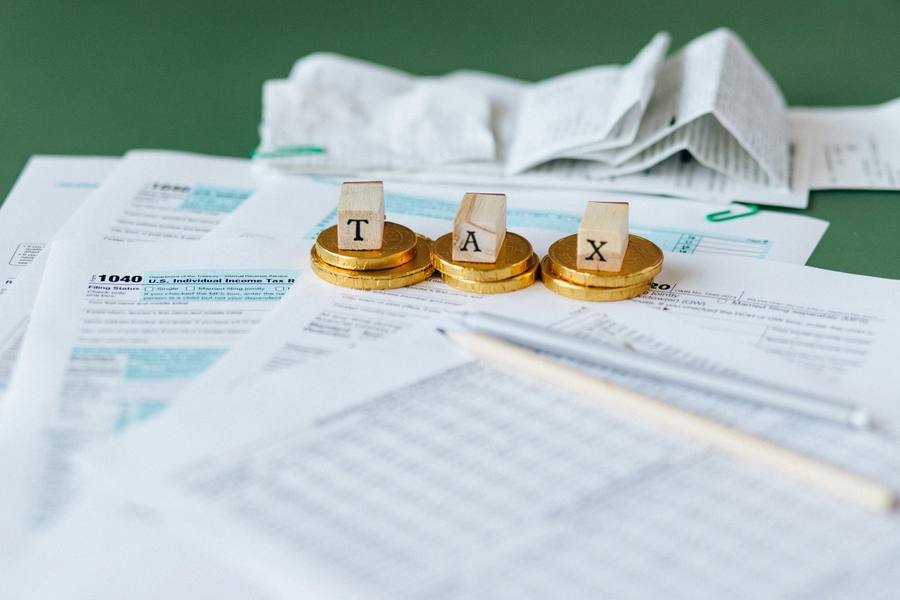
It is important to choose the right tax system and keep the correct documentation to use all available benefits.
The tax system in Russia for manufacturing companies includes many types of taxes and regimes, which depend on the type of activity, region and scale of business. In this article, we will examine in detail the main taxes, documentation requirements, tax regimes, as well as examples of calculations and benefits.
Basic types of taxes
- Corporate income tax
- Base rate: 20%
- 3% goes to the federal budget, 17% to the regional budget.
- Features: for residents of special economic zones or when participating in large investment projects, the rate may be reduced.
- Value added tax (VAT)
- Betting:
20% is the total rate.
10% for food, medical products and certain services.
0% for export.
- Feature: manufacturers have the right to deduct the "input VAT" (tax on purchased goods and services).
- Organizational property tax
The rate is up to 2.2% of the residual value of fixed assets, but can be reduced or abolished for preferential categories.
- Insurance contributions to the wage fund
- General rate: 30% (22% – pension insurance, 5.1% – health insurance, 2.9% – social insurance).
- For small and medium-sized businesses, the rate can be reduced to 15%.
- Land tax and transport tax
Calculated depending on the region and the characteristics of production.
Tax regimes
- General System of Taxation (GST)
- Suitable for large industries.
- Duty to pay VAT, income tax, property tax and insurance premiums.
- High load, but more opportunities for tax deductions.
- Simplified system of taxation (USN)
- Conditions: income does not exceed 200 million rubles per year.
- Rates: 6% on income. 15% of the difference between income and expenses.
3. Unified Agricultural Tax (USCN)
Rate: 6% of income minus expenses.
For agricultural producers.
- Professional Income Tax (VAT)
Rate: 4% (from individuals) and 6% (from legal entities).
For small industries or private craftsmen.

Required documentation
- Company registration
- Choice of legal form (LLC, JSC, IP).
- Preparation of constituent documents.
- Payment of state duty (4,000 rubles for LLC).
- Filing an application to the FNS.
2. Permission and licences
Certain industries require licenses (e.g. pharmaceuticals, chemical industries).
- Accounting management
- Book of Income and Expenses (for USN).
- Tax returns.
- Annual Accounting Statements (for DOS).
Examples of calculations
- Income tax
The company received income of 10 million rubles, expenses amounted to 6 million rubles:
Taxable base: 10 million - 6 million = 4 million rubles.
Tax: 4 million × 20% = 800 thousand rubles.
- VAT
Income - 1 million rubles, expenses - 600 thousand rubles (including VAT):
Input VAT: 600 thousand × 20% = 120 thousand rubles.
Outgoing VAT: 1 million × 20% = 200 thousand rubles.
Payment: 200 thousand - 120 thousand = 80 thousand rubles.
- ASN (15%)
Income - 5 million rubles, expenses - 3 million rubles:
Base: 5 million - 3 million = 2 million rubles.
Tax: 2 million × 15% = 300 thousand rubles.
Benefits and preferences
- Special Economic Zones (SEZs)
- Income tax: from 0% to 10%.
- Property tax: 0% for up to 10 years.
- Exemption from transport tax.
We will devote a separate article to special economic zones in Russia next week.
- Technopark residents
Reduced rates of income tax and insurance contributions.
- Investment tax deductions
The ability to reduce income tax through investment in equipment.
Many tax regimes are available to manufacturers in Russia, which allows flexible regulation of the tax burden. It is important to choose the right tax system and keep the correct documentation to use all available benefits. In this case, for complex calculations, it is recommended to contact professional accountants or consultants.