Traditional economy
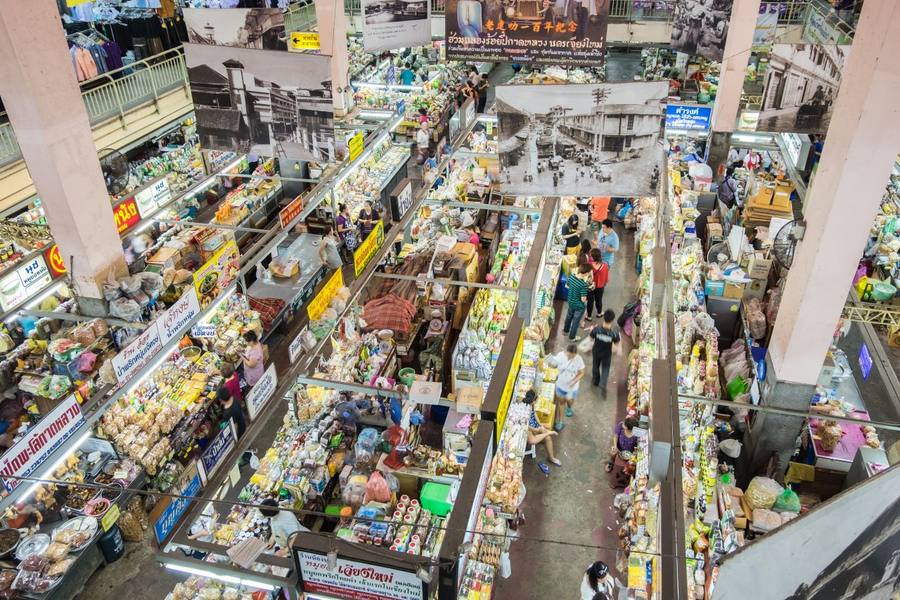
The traditional economy is one of the oldest economic systems based on customs, traditions and cultural values.
The traditional economy is one of the oldest economic systems based on customs, traditions and cultural values. This system plays an important role in the lives of many communities around the world, especially in developing countries and isolated regions. In this article, we will look at the main features of the traditional economy, its advantages and disadvantages, examples of countries and regions where it is used, as well as its significance in the modern world.
Main features of traditional economy
- Basis on traditions and customs
The traditional economy is based on centuries-old traditions and customs passed down from generation to generation. These customs determine the modes of production, distribution and consumption of goods and services.
- Subsistence farming
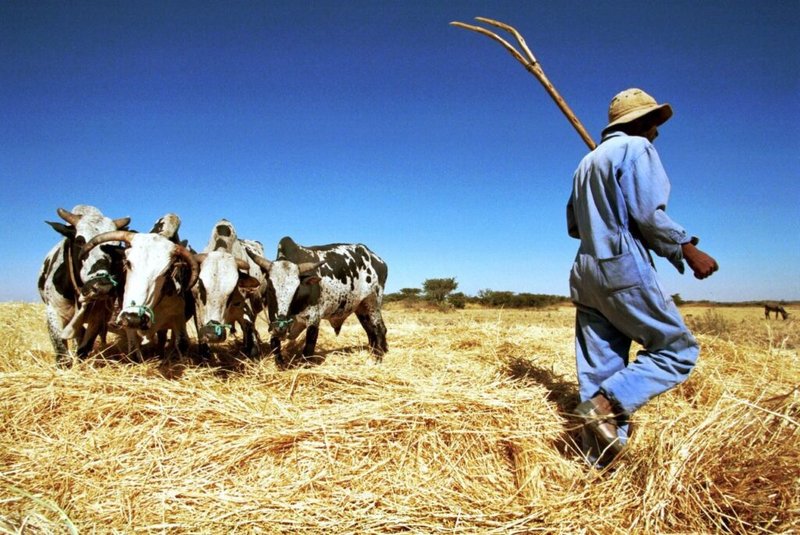
The traditional economy is dominated by subsistence farming, where most goods and services are produced for their own consumption rather than for exchange in the marketplace. People grow food, make clothes, and build housing for their families and communities.
- Limited specialization
In the traditional economy, there is limited specialization of labor. Members of the community perform a variety of tasks necessary for survival, such as farming, hunting, fishing and handicrafts.
- Collective ownership of resources
In traditional economies, collective ownership of resources such as land and water resources often prevails. These resources are managed on the basis of common rules and traditions, ensuring equitable distribution and sustainable use.
- Limited technological development
Traditional economies are characterized by low levels of technological development. Manufacturing processes are based on simple tools and manual labor, which limits productivity and growth opportunities.
Advantages of the Traditional Economy
1. Social cohesion
The traditional economy promotes a high degree of social cohesion. Working together and following common traditions strengthen ties within the community.
2. Sustainable
Thanks to centuries-old traditions and customs, traditional economies often demonstrate resilience to external influences. Resources are used carefully and rationally, which helps to maintain ecological balance.
3. Stability
Traditional economics provides stability, as production and consumer processes are predictable and do not depend on market fluctuations. This creates a sense of security and permanence for community members.
4. Cultural heritage
The traditional economy maintains and preserves the cultural heritage and identity of the community. Customs and traditions related to production processes are passed down from generation to generation, which contributes to the preservation of cultural values.
Disadvantages of the Traditional Economy
1. Limited opportunities for growth
The traditional economy limits opportunities for economic growth and development. Low levels of technological development and lack of specialization of labor hamper productivity and innovation.
2. Vulnerability to external influences
Traditional economies can be vulnerable to external influences such as natural disasters, climate change and outside interference. This can lead to the destruction of established traditions and economic instability.
3. Limited access to the benefits of civilization
In a traditional economy, people often have limited access to the modern benefits of civilization, such as health care, education, and infrastructure. This can lead to low living standards and limited opportunities for self-fulfillment.
4. Social inequality
Despite collective ownership of resources, social inequalities can persist in traditional economies. Privileged groups may have greater access to resources and benefits than the rest of the community.
Examples of countries and regions with traditional economies
1. African tribes
Many tribes in Africa continue to lead traditional lifestyles based on hunting, gathering and farming. These communities follow centuries-old traditions and customs that define their economic activities.
2. Indigenous peoples of the Amazon
The indigenous peoples of the Amazon also maintain a traditional economy based on the use of the natural resources of the jungle. They are engaged in hunting, fishing and gathering, as well as growing crops.
3. Tibetan nomads
Tibetan nomads continue to lead a traditional way of life based on pasture farming. They follow their own customs and traditions that determine the use of pastures and the management of herds.
4. Arctic Innuit
Innuits living in Arctic regions also have a traditional economy based on hunting marine mammals, fishing and gathering. Their economic activities are closely related to the environment and climatic conditions.
The importance of traditional economy in the modern world
- Preservation of cultural heritage
Traditional economies play an important role in preserving the cultural heritage and identity of many communities. Customs and traditions related to production processes are passed down from generation to generation, which contributes to the preservation of unique cultural values.
- Environmental sustainability
Traditional economies often demonstrate environmental sustainability, as they are based on the careful use of natural resources. This can serve as an example for modern economies seeking sustainable development.
- Social cohesion
The traditional economy fosters a high degree of social cohesion and solidarity within communities. Working together and following common traditions strengthens ties between people and creates a sense of belonging.
- Alternative development models
The traditional economy can serve as an alternative development model for regions seeking to preserve their cultural and natural resources. It offers a different approach to economic development based on harmony with nature and sustainable use of resources.
The traditional economy is an important part of the world economic system based on customs, traditions and cultural values. It has its advantages and disadvantages, playing a significant role in the lives of many communities around the world. In the context of globalization and technological progress, the traditional economy retains its importance, offering alternative development models and ways to preserve cultural and natural heritage.