Progressive growth of SCO and BRICS economies
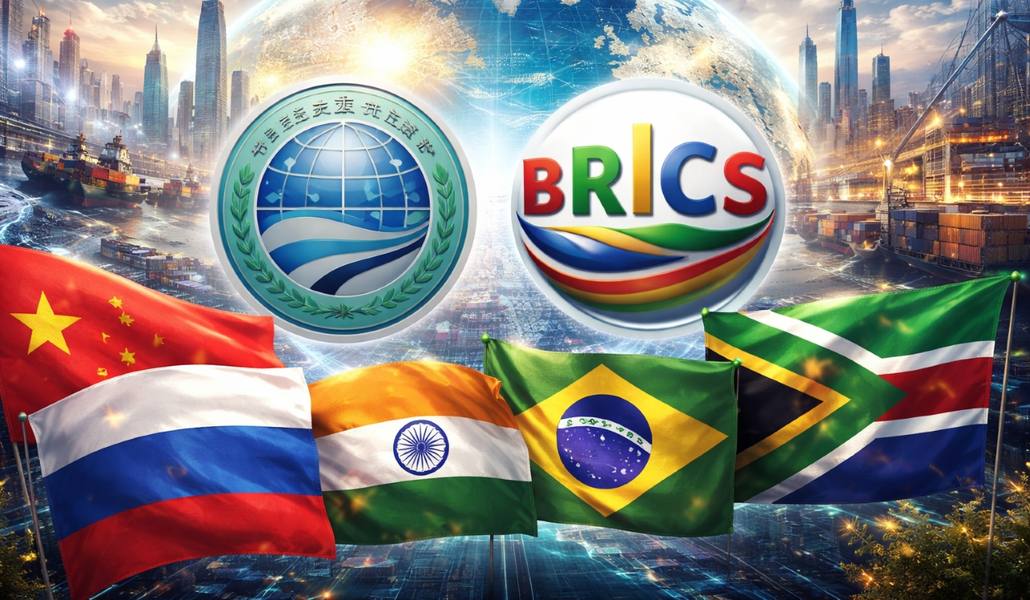
In recent years, the global economy has undergone a major transformation. The center of economic activity is gradually shifting from traditional Western countries to emerging markets. Against this background, such associations as the SCO and BRICS are beginning to play a special role, which are becoming not just platforms for dialogue, but full-fledged economic blocs of a new type.
The rise of their influence - This is no longer a forecast, but an observed reality.
New center of economic power
The SCO and BRICS countries today form a significant part of the world economy. It’s not just about population or territory. - Growth dynamics are of key importance.
The economies of these countries:
- Higher growth rates compared to the developed world
- Actively developing the industry and agricultural sector
- strengthen the domestic market and mutual trade
Growth is especially noticeable in Asia, where large-scale industrialization, digitalization and infrastructure development are taking place. China and India are locomotives, but others are pulling up behind them.
It is important to understand that this is not a short-term leap, but a long-term trend that is already affecting the global balance of power.
BRICS Expansion: A New Configuration
The BRICS format - This is no longer just a symbolic union. The enlargement has strengthened its economic potential by:
- resource economies
- new markets
- transport corridors
- financial instruments
In fact, an alternative architecture of international cooperation is being formed, where dependence on traditional centers of power is reduced.
Practical importance for business
For business, the participation of the SCO and BRICS countries opens up real opportunities, especially in the areas of:
- foreign trade
- logistics
- agriculture
- industrial cooperation
Simplification of cooperation between countries, development of transport routes and growth of domestic demand create favorable environment for export and investment.
However, it is important to keep in mind that despite common goals, the level of development of countries and the rules of doing business can be very different.
Pros of participation in the SCO and BRICS
Participation in these associations gives countries a number of strategic advantages.
Key advantages:
- Expansion of sales markets
- Strengthening trade linkages
- Access to alternative financial mechanisms
- Development of transport and logistics corridors
- Reducing dependence on Western institutions
Political and economic sustainability is also enhanced through the diversification of partners.
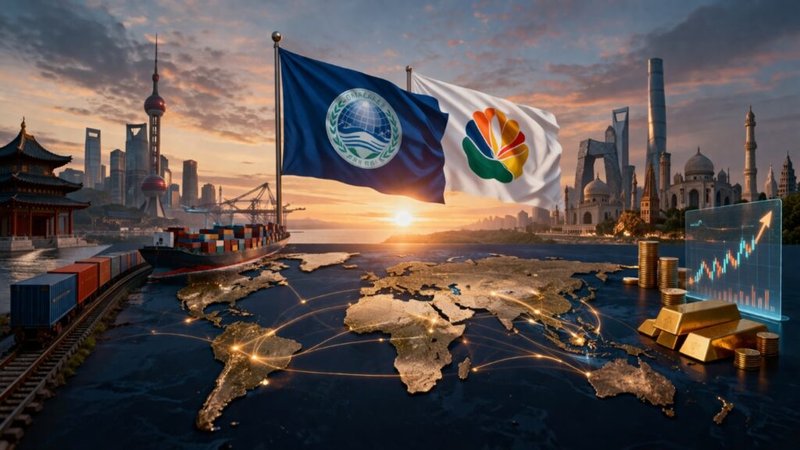
Cons and limitations
With all the advantages, participation in the SCO and BRICS is not without difficulties.
Main risks:
- Different levels of economic development of countries
- Bureaucratic Barriers and Differences in Regulation
- Political differences between participants
- Limited integration compared to the EU
- Dependence on individual major economies
It is also worth bearing in mind that many initiatives are at the stage of formation and require time for full implementation.
Hidden challenges
There are less obvious factors that can affect the effectiveness of associations.
For example, the competition between the participants. Countries can be partners and competitors in the same markets.
Another factor - infrastructure constraints. Despite the active development, logistics between countries still requires serious investment and coordination.
Balance of interests: cooperation or competition?
SCO and BRICS - These are not classic economic unions with rigid rules. These are flexible platforms where each country pursues its own interests.
That is why the effectiveness of participation largely depends not on the association itself, but on the strategy of a particular state or business.
Those who can:
- fast
- partner up
- exploit new opportunities
They get the maximum benefit.
Development prospects
The influence of the SCO and BRICS is likely to increase. In the coming years, we can expect:
- further expansion
- strengthening of settlements in national currencies
- Development of own financial institutions
- growing role in world trade
In fact, a new economic reality is emerging, where multipolarity is becoming the norm.
SCO and BRICS - These are not just political associations, but tools for redistributing economic influence in the world.
They offer great opportunities for growth, but require a competent approach and an understanding of risks. Participation in these structures - This is not guaranteed success, but a tool whose effectiveness depends on how to use it.
For businesses and governments, this is both an opportunity and a challenge. Their position in the global economy will depend on their ability to work in this new system.