The Economy in a Pandemic: COVID-19 and the World Economy

The COVID-19 pandemic has had a global impact on the global economy, causing recession, job losses and severe hardship for many industries.
The COVID-19 pandemic, which began in late 2019 and is increasing in 2020, has become one of the most significant events in modern history, affecting all aspects of human life. In this article, we look at how the pandemic has affected the global economy, which sectors have been most affected, and what prospects are opening up in the context of post-pandemic recovery.
1. The impact of the pandemic on global GDP
The first and one of the most visible indicators of the impact of the pandemic on the economy is the decline in world GDP. According to the International Monetary Fund (IMF), in 2020, global GDP fell by 3.5% compared to the previous year, the most significant reduction since the Great Depression in the 1930s.
2. Regional differences
The pandemic has had different effects on the economies of different regions of the world. For example, advanced economies such as the US and Western Europe have faced deep recessions, while some developing countries, especially those dependent on commodity exports such as oil, have also experienced severe economic hardship.
- U.S. GDP declined 3.5% in 2020 from the previous year (U.S. Bureau of Economic Analysis data).
- Eurozone GDP fell by 6.6% in 2020 (Eurostat data).
- The economies of China and India showed a more moderate contraction in 2020: China’s GDP grew by 2.3%, while India’s GDP contracted by 7.3% (Data from the National Bureau of Statistics of China and the Ministry of Statistics and Implementation Program of India).
3. Labour markets
A significant number of people around the world lost their jobs due to the pandemic. According to the International Labour Organization (ILO), the number of unemployed increased by 8.8% in 2020, which corresponds to about 220 million people, compared with the previous year.
- In the U.S., the unemployment rate reached 14.7% in April 2020, the highest since the Great Depression (U.S. Bureau of Labor data).
- In the European Union, unemployment increased from 6.7% in 2019 to 7.5% in 2020 (Eurostat data).
- Unemployment has also increased significantly in developing Asia, especially in South Asian countries such as India and Bangladesh.
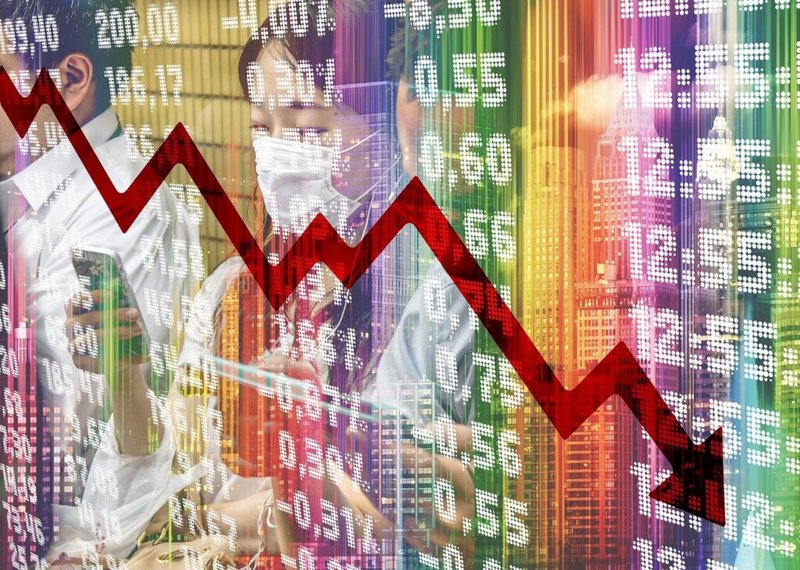
4. Sectors affected
Some sectors of the economy were particularly vulnerable to the pandemic. For example, the tourism, hospitality, restaurant and entertainment sectors were seriously affected as travel restrictions and group fees contributed to reduced demand.
- According to the World Tourism Organization (UNWTO), global tourism fell by 74% in 2020, resulting in huge losses of income and jobs in the sector.
- Retail also faced challenges: according to the National Retail Federation (NRF) in the US, retail sales grew only 6.7% in 2020, which compares with a 3.9% increase in 2019.
5. Fiscal and monetary policy
Many countries have taken urgent measures to stimulate the economy by increasing government spending and lowering interest rates. These measures are aimed at mitigating the negative effects of the pandemic and stimulating economic growth.
- According to the International Monetary Fund, more than $12 trillion has been earmarked to support economies around the world, including credit programs for small and medium-sized enterprises, unemployment payments and other support measures.
6. Prospects for recovery
Although the pandemic has left serious scars on the global economy, there are optimistic prospects for the future. Vaccination campaigns, combined with the gradual lifting of restrictions and the restoration of consumer and business confidence, can contribute to a rapid recovery in economic activity.
- The IMF forecasts that global GDP should grow by 6% in 2021, indicating a return to growth after contraction in 2020.
The COVID-19 pandemic has had a global impact on the global economy, causing recession, job losses and severe hardship for many industries. However, with support for government measures and scientific advances in the fight against the virus, there is hope for a gradual recovery and a return to sustainable economic growth.