The economy of parallel imports
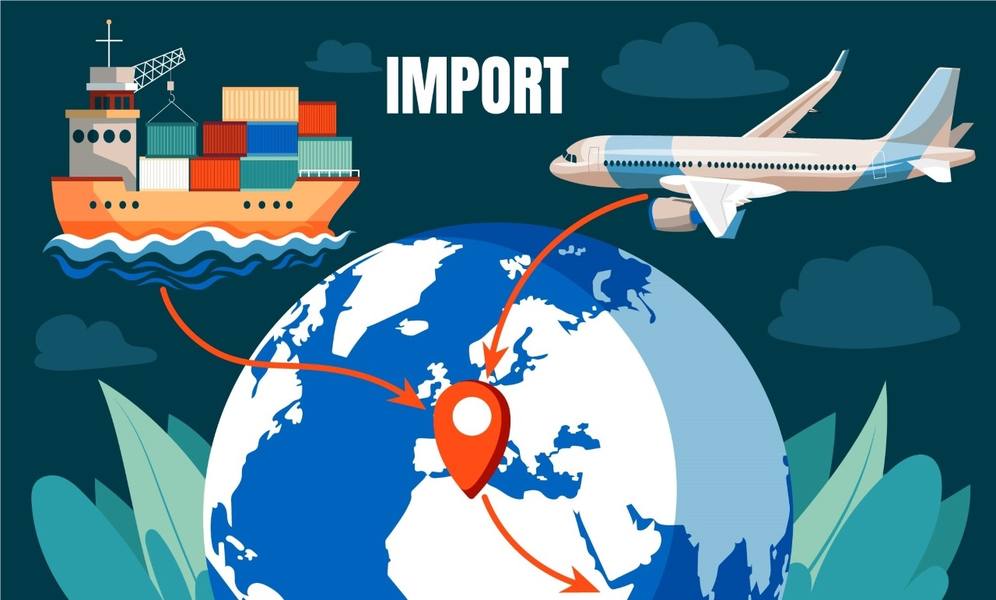
Parallel imports are not a grey market, but a network of participants with transparent logistics and margins.
How the chain works: from purchase to sale in Russia, who earns and why the scheme lives in 2025
Parallel imports importation into Russia of original goods without the permission of the copyright holder, but lawfullyIf the product is sold in another country.
Since 2022, the Russian Federation has an authorized list of brands for which parallel imports are officially allowed. By 2025, this scheme has not only not disappeared. It has become a sustainable model of international trade..
How the supply chain works
Parallel imports are not a ‘grey market’ but a ‘grey market’. Network of participants with transparent logistics and margin. Consider the steps:
1. Search for goods and purchase abroad
- Search for a supplier in the UAE, Turkey, China, Kazakhstan, Serbia, etc.
- Purchase of goods from an official distributor or through local marketplaces
- Verification of originality and conformity
Who earns:
Local seller/intermediary
Foreign search and redemption agent
2. Logistics: from the country of origin to the Russian border
- Organization of international delivery (air, car, multimodal)
- Customs clearance in a third country (e.g. Armenia, Kazakhstan)
- Export documents with neutral origin
Who earns:
Logistics operators
Escort agent
Cargo consolidators
3. Customs clearance and entry into the Russian Federation
- Submission of a declaration to the Russian Federation
- Payment of duties, VAT
- Use of HS codes that do not require permission from the copyright holder
Who earns:
Customs representative
Broker/Importer (if involved)
4. Distribution and wholesale
- Storage in the warehouse (including bond)
- Sale to distributors, shops, marketplace n
Who earns:
Importer/wholesale
Warehouse operators
B2B dealers
5. Retail sales
- Online and offline sales with full support (sometimes without brand warranty)
- Marketplaces: Wildberries, Ozon, KazanExpress, Yandex. Market
Who earns:
retailer
Platform/aggregator
Private sellers
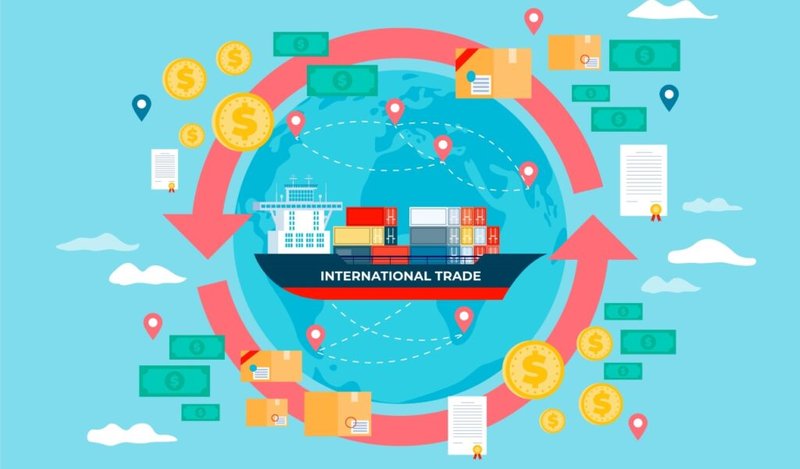
Who makes how much?
Average surcharge/incomeCommentaryOverseas Supplier5-15%Standard markupAgent for the purchase of $ 300-800 per batchFor redemption, packaging, documents Logistic operator10-20% of the costIncluding all stages of deliveryCustoms representative2-7%Depending on complexityImporter/distributor15-30% Main margin participantRetailer20-100%Depending on brand and channel
Why this model works in 2025
1. Demand for brands remains
Consumers still want to Apple, Bosch, Levi's, Lego, SamsungThey are willing to pay for the original, even without a warranty.
2. Flexible Geography of Procurement
Sustainable logistics chains have emerged from:
- China via Kazakhstan
- UAE through Azerbaijan
- Turkey via Georgia
- Europe through Serbia
3. Legal basis
Since 2022, the Russian government has recognized parallel imports official mechanism of supplying the market with goodsGeopolitical constraints remain.
4. Rapid adaptation of suppliers
There are a lot on the market:
- cargo-companySpecializing in parallel import
- brokerageOnly working with certain brands
- local gray distributors, able to adapt the product (firmware, labeling, stickers)
Risks and limitations
- Lack of warranty from the brand
- Relabeling or adaptation of the product
- Exchange rate dependency
- Instability of supply in case of new sanctions
- Possibility of claims by brands outside the Russian Federation
What's Next: Trends 2025 +
- Marketplaces are more active with parallel importscreating separate conditions for importers
- New Procurement Centres are being formed - Dubai, Tashkent, Urumqi
- Aggregator platforms are emergingParallel imports with filtering by brand, country, certification
- Local brands are growingBut in some niches (electronics, luxury, auto parts), parallel imports will continue until the 2030s.
Parallel Imports are the Not a temporary scheme, but a business model.. It is organized according to all the laws of international trade, involves dozens of professional participants and adapts to the needs of the Russian market.
Demand is maintained, chains are built, and profits are distributed throughout the logistics arc. As long as borders remain complex and brands remain closed, Parallel imports will live, develop and generate income.