“Dollarization” of the economy: the complete abandonment of the dollar?
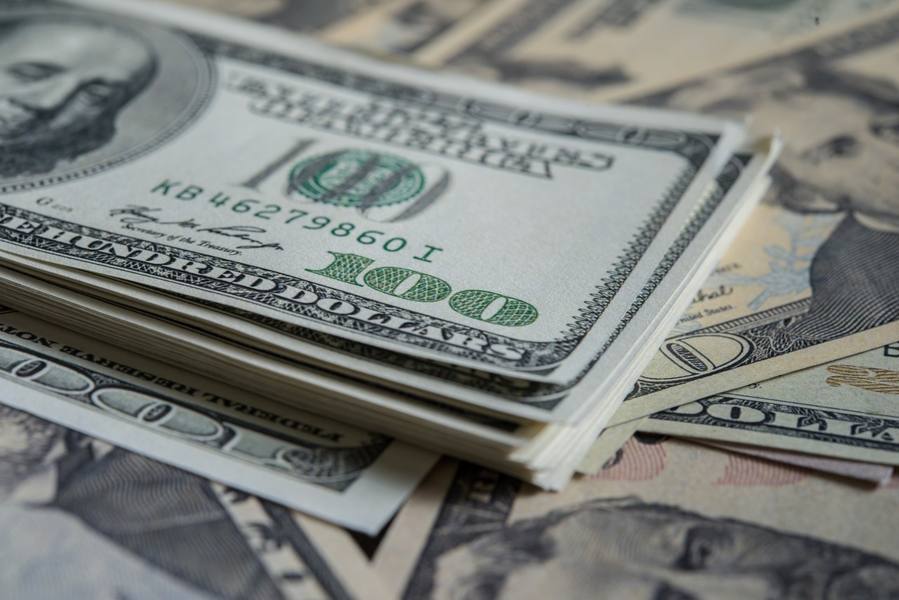
A complete abandonment of the dollar is unlikely, but de-dollarization will gain momentum.
Доллар США является главной резервной валютой в мире, занимая центральное место в международных расчетах, финансовых рынках и экономической политике многих стран. Однако в последние годы все больше государств предпринимают шаги к дедолларизации – уменьшению зависимости от доллара в торговле и финансах. В этой статье разберем, что такое долларизация, какие риски она несет, возможен ли полный отказ от доллара и какие страны уже движутся в этом направлении.
Что такое долларизация экономики?
Понятие долларизации
Долларизация – это процесс, при котором экономика страны активно использует доллар США наряду с или вместо национальной валюты. Это может происходить в разных формах:
- Официальная долларизация – доллар становится основной валютой (например, в Эквадоре и Панаме).
- Неофициальная долларизация – население и компании предпочитают хранить сбережения в долларах, использовать их в расчетах.
- Финансовая долларизация – доллар широко используется в банковской системе и международных расчетах.
Причины долларизации
Основными причинами распространения доллара являются:
- Низкая стабильность национальной валюты (инфляция, девальвация).
- Высокая степень интеграции в мировую экономику (торговля, инвестиции, внешние займы).
- Низкое доверие к национальным финансовым институтам.
- Глобальная доминирующая роль доллара в мировой экономике.
Почему страны стремятся к отказу от доллара?
Политические и экономические риски
- Зависимость от политики США. Долларизация делает экономику уязвимой перед санкциями и ограничениями.
- Колебания курса доллара. Любые изменения в политике Федеральной резервной системы (ФРС) США могут сильно повлиять на национальные экономики.
- Сложность проведения независимой денежно-кредитной политики. Страны, зависимые от доллара, не могут эффективно управлять инфляцией и процентными ставками.
Санкционное давление и дедолларизация
Некоторые страны, столкнувшиеся с санкциями США (Россия, Иран, Венесуэла), активно работают над отказом от доллара. Они переходят на расчеты в национальных валютах и создают альтернативные финансовые механизмы.
Возможен ли полный отказ от доллара?
Международная торговля и альтернативы доллару
Некоторые страны уже активно переходят на расчеты в национальных валютах:
- Россия и Китай увеличивают использование юаня и рубля в двусторонней торговле.
- Страны БРИКС (Бразилия, Россия, Индия, Китай, ЮАР) разрабатывают альтернативные платежные механизмы.
- Ближневосточные страны (Саудовская Аравия, ОАЭ) обсуждают возможность торговли нефтью за юани.
Рост влияния других валют
Доллар постепенно теряет монополию, но остается ключевой валютой. Альтернативами могут стать:
- Китайский юань – активно продвигается Китаем как резервная валюта.
- Евро – занимает второе место по объемам международных расчетов.
- Криптовалюты – могут стать новым инструментом международной торговли.
Технические и структурные барьеры
Несмотря на тенденции к дедолларизации, полностью отказаться от доллара сложно из-за:
- Глобального влияния американской экономики.
- Доминирования доллара в международных расчетах (около 60% мировых резервов).
- Сложностей перехода на новые валютные системы.

Какие страны уже движутся в сторону дедолларизации?
Россия
- Переход на расчеты в рублях и юанях с Китаем.
- Развитие системы платежей СПФС (аналог SWIFT).
- Увеличение доли золота в резервах.
Китай
- Активно продвигает юань как международную расчетную валюту.
- Запустил «Петроюань» – механизм торговли нефтью в юанях.
Иран и Венесуэла
- Используют криптовалюты и бартерные схемы для обхода санкций.
- Переходят на расчеты в национальных валютах в торговле с союзниками.
Перспективы отказа от доллара в мире
Полный отказ от доллара пока маловероятен, но дедолларизация будет набирать обороты. Будущие тренды:
- Рост роли региональных валют в торговле.
- Развитие альтернативных финансовых систем.
- Усиление позиций Китая и юаня.
Однако доллар останется важнейшей мировой валютой в ближайшие десятилетия, так как у него нет полноценной замены.
Дедолларизация – сложный и долгий процесс, требующий перестройки мировой финансовой системы. Полный отказ от доллара пока невозможен, но его роль постепенно снижается. Многие страны стремятся снизить зависимость от американской валюты, но доллар еще долго будет оставаться ключевым элементом мировой экономики.