Financial logistics between Russia and China
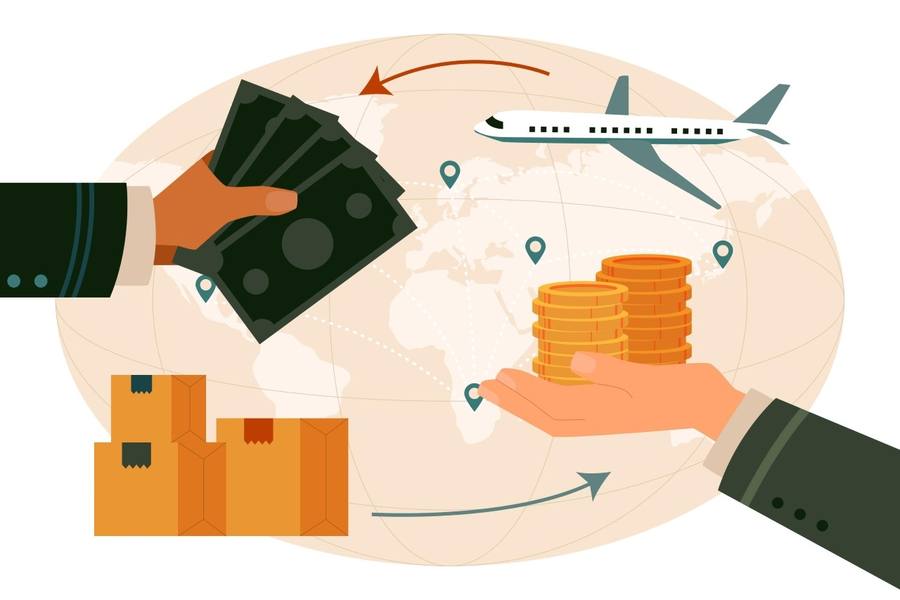
Financial logistics between Russia and China requires strict compliance with the law, proper paperwork and the use of reliable channels for transfers.
China is one of Russia’s key trading partners. However, settlements between countries can be difficult due to differences in currency systems, strict currency control and the specifics of the banks. Financial logistics in international trade plays an important role in ensuring uninterrupted payments, especially in the face of sanctions, changing currency regulations and restrictions on transfers.
In this article, we will discuss in detail:
How the structure of financial payments between Russia and China
What role does the Payment Agent play and how does it ensure the security of the transaction
How to transfer funds and transfer payments to a Chinese supplier n
What risks exist in international settlements and how to minimize them
The structure of financial payments between Russia and China
Major players in the payment chain
In the transaction for the payment of goods between Russia and China involved several parties:
1. Russian importer
- Concludes a contract for the supply of goods
- Payment according to the arrangements
- Ensures the correct execution of documents for currency control and customs
2. Payment Agent
- Intermediates the transfer of money between the parties
- Accepts payment in Russia, Hong Kong or Singapore
- Transfers to a Chinese supplier subject to all foreign exchange control requirements
3. Chinese exporter
- Ships goods according to the contract
- Receive payment through a Payment Agent
- Issues export documents for customs and VAT refund
4. Banks (in Russia, China, Hong Kong, Singapore)
- Accept and transfer payments
- Control the legality of transactions
- Provide reporting to regulators
Principal payment schemes
There are several options for transferring money to a Chinese supplier, but the most popular one is: Payment through a Payment Agent.
How does it work?
The Russian importer concludes a contract with a Chinese supplier.
The Payment Agent receives a set of documents:
- NDA (Confidentiality Agreement)
- Main supply contract
- Additional agreement (issued by the Payment Agent)
- invoice (Published by Chinese Service Provider and Payment Agent)
- HS codes (TH FEA codes) - for the correct execution of the transaction and the calculation of fees.
The importer transfers money to the account of the Payment Agent in Russia or Hong Kong.
Payment Agent Transfers Money to Supplier in China 1-2 working days.
The Chinese supplier receives payment, prepares export documents and applies for VAT refund.
Why is this scheme used most often?
- Allows you to bypass restrictions on currency transfers between countries.
- Ensures the security of payments and confirmation of payments.
- Simplifies the refund of Chinese VAT by the supplier.
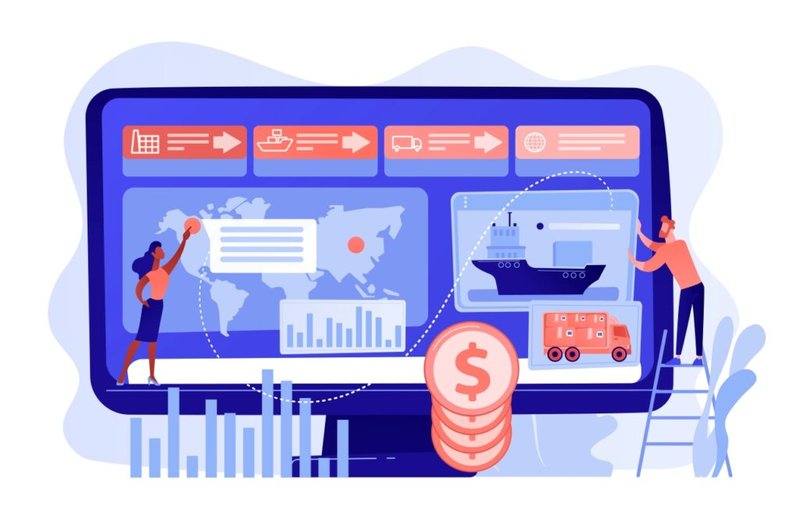
Step-by-step payment procedure
Preparation of documents
Before starting the payment process, the parties must prepare the necessary documents:
- NDA (Confidentiality Agreement) Sign before discussing the details of the transaction.
- Main supply contract concluded between a Russian importer and a Chinese supplier.
- Additional agreement - is prepared by the Payment Agent and fixes the procedure for settlements.
- Invoices One from a Chinese supplier, the other from a Payment Agent.
- HS codes (TH FEA codes) are provided by the exporter for inspection.
Payment through a Payment Agent
- The importer transfers money to the account of the Payment Agent.
- Bank in Russia or Hong Kong credits funds to the account during the 2-3 working days.
- The Payment Agent transfers money to China, withholding the commission.
- The Chinese supplier receives payment within the 1-2 working days.
Receiving payment by a Chinese supplier
The supplier receives the money in a Chinese bank account.Ping An, Minsheng, ICBC, BOC, etc.).
Makes export documents and applies for VAT refund.
What are the risks and how to avoid them?
1. Errors in documents
If the documents are incorrect, the payment can be blocked by the bank or rejected.
Decision: Involve professional accountants and customs brokers I.D. checks.
2. Violation of currency control
Some transfer schemes may be subject to currency restrictions.
Decision: Use legal channels that comply with the legislation of the Russian Federation and the PRC.
3. Long-term crediting
Transfers can be delayed due to checks and bureaucratic procedures.
Decision: Work with trusted banks and payment agents.
4. Non-refund of Chinese VAT
If the documents are incorrect, the Chinese supplier may not receive a VAT refund.
Decision: Comply with all requirements of the Chinese tax system.
Benefits of working through a Payment Agent
Compliance with the legislation of the Russian Federation and the PRC
Guarantee of Chinese VAT refund
Translation speed – 1-2 days
Minimizing currency risks
Transparent calculation scheme
Financial logistics between Russia and China requires strict compliance with the law, proper paperwork and the use of reliable channels for transfers.
Use of the Payment Agent This is the most convenient, fast and safe way of payment, allowing you to guarantee timely payment, minimize currency risks and ensure the return of Chinese VAT.