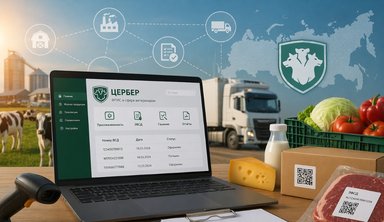
Проверка качества сельхозпродукции перед экспортом

Проверка начинается ещё на этапе хранения и переработки и продолжается до момента отгрузки.
Экспорт сельскохозяйственной продукции требует строгого контроля качества. Проверка начинается ещё на этапе хранения и переработки и продолжается до момента отгрузки. Это важно не только для соблюдения международных стандартов, но и для безопасности потребителей.
Этапы контроля качества сельхозпродукции
1. Предварительная оценка сырья
Перед подготовкой к экспорту проводится анализ условий выращивания и хранения:
- проверка наличия сертификатов от производителя;
- изучение истории урожая (регион, сорт, методы выращивания);
- оценка условий складов и транспортировки.
Это позволяет исключить продукцию с риском заражения вредителями или не соответствующую стандартам.
2. Отбор проб и лабораторные исследования
На этом этапе специалисты берут образцы продукции по строгим правилам:
- проба отбирается из каждой партии по установленным нормам;
- образцы герметично упаковываются и маркируются;
- в лаборатории проводятся исследования:
- влажность зерна или другой продукции;
- наличие микотоксинов, пестицидов, тяжелых металлов;
- микробиологические показатели;
- органолептическая оценка (внешний вид, запах, вкус).
3. Фитосанитарный контроль
Фитосанитарная проверка направлена на выявление карантинных вредителей, болезней растений и других рисков.
- проводится инспекцией Россельхознадзора или аккредитованными организациями;
- оформляется фитосанитарный сертификат, подтверждающий безопасность продукции для ввоза в другую страну;
- проверяются упаковочные материалы на наличие вредителей (особенно для древесной тары).
4. Сертификация соответствия стандартам страны-импортера
Каждая страна предъявляет собственные требования. Например:
- Китай имеет строгую систему контроля по содержанию микотоксинов и пестицидов;
- страны ЕС требуют соответствия стандартам HACCP и ISO;
- арабские страны могут требовать халяль-сертификаты для определённых продуктов.
Экспортер обязан предоставить документы на каждую партию, включая сертификаты происхождения, фитосанитарные документы и протоколы испытаний.
5. Проверка условий транспортировки и упаковки
Качество продукции во многом зависит от того, как её перевозят:
- используется специализированная тара и контейнеры;
- для зерновых — контроль влажности и вентиляции при перевозке в трюмах или вагонах;
- для овощей и фруктов — температурный контроль и защита от повреждений.
Перед загрузкой инспекторы проверяют чистоту и пригодность транспортных средств.
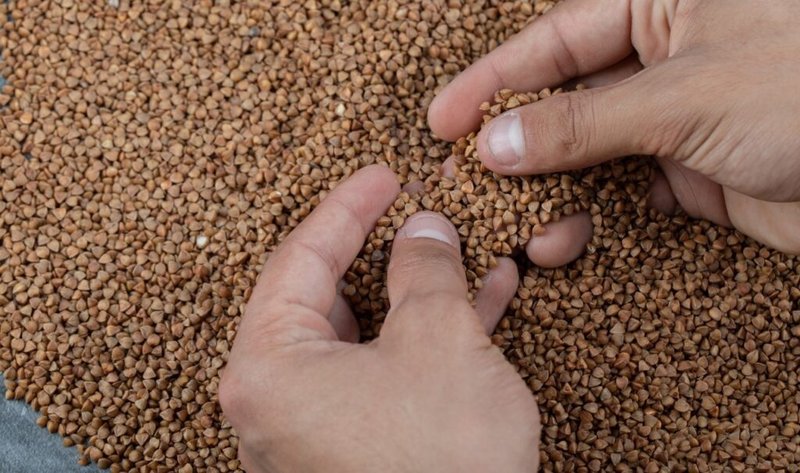
Документы, оформляемые при проверке качества
- Протокол лабораторных испытаний — фиксирует результаты анализа.
- Фитосанитарный сертификат — подтверждает отсутствие карантинных вредителей.
- Сертификат происхождения — удостоверяет регион и производителя.
- Сертификаты соответствия стандартам страны-импортера — ISO, HACCP, GMP и другие.
- Сертификат качества партии — выдается экспортером или аккредитованным органом.
Роль независимой экспертизы
Для крупных экспортных поставок часто привлекаются независимые инспекционные компании (например, SGS, Bureau Veritas, Cotecna). Они:
- проводят инспекцию грузов перед отгрузкой;
- делают лабораторные тесты в международных аккредитованных центрах;
- выдают заключение о соответствии стандартам импортера.
Это повышает доверие зарубежных покупателей и снижает риски отказа на границе.
Контроль на границе страны-импортера
Даже при наличии всех документов партия может быть проверена повторно:
- проводится выборочный досмотр и лабораторные анализы;
- проверяется правильность маркировки и документации;
- при выявлении нарушений груз может быть возвращен или уничтожен.
Значение качественного контроля для экспортеров
- Повышение репутации компании: надёжные поставки формируют доверие партнёров.
- Снижение финансовых рисков: отсутствие штрафов, задержек и возвратов товара.
- Доступ на премиальные рынки: страны с высокими требованиями платят больше за гарантированное качество.
- Конкурентное преимущество: качественный продукт легче продвигать на новых рынках.
Контроль качества сельхозпродукции перед экспортом — это многоступенчатая система, включающая отбор проб, лабораторные тесты, фитосанитарные проверки, сертификацию и контроль логистики. Только комплексный подход гарантирует безопасность и конкурентоспособность товара на мировом рынке.