Foreign trade export contract
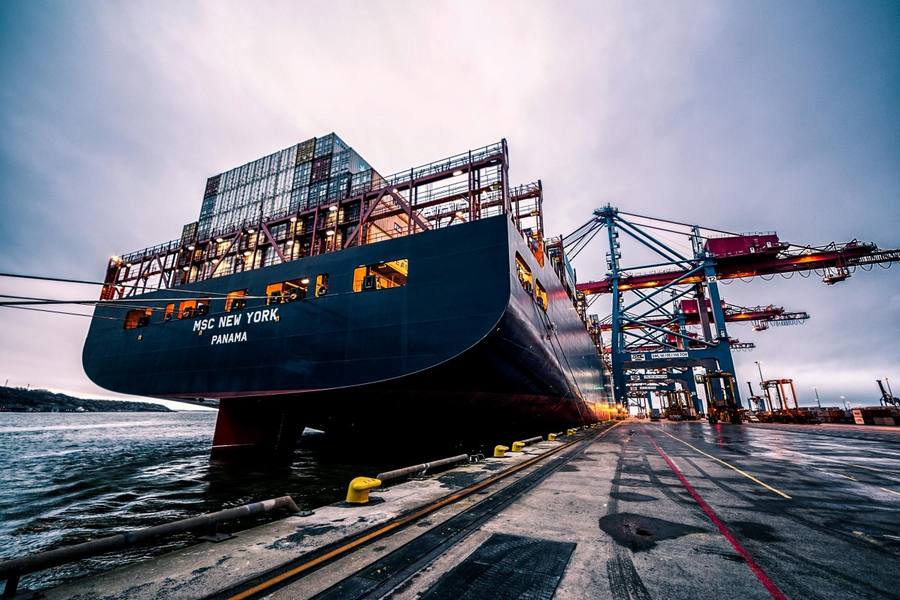
We study the key points when concluding export contracts for successful entry into the international market.
Заключение экспортного контракта — это один из важнейших этапов для компаний, желающих выйти на международный рынок. Экспортный контракт определяет ключевые условия сделки между продавцом и покупателем из разных стран, а его грамотное составление помогает избежать спорных ситуаций и рисков. В этой статье рассмотрим основные элементы внешнеторгового экспортного контракта, а также поделимся советами по его успешному заключению.
Что такое экспортный контракт и его особенности
Экспортный контракт — это юридически обязывающее соглашение, которое регулирует права и обязанности сторон в международной торговле. Он должен учитывать международные правовые нормы, такие как Инкотермс, а также национальные законы и особенности законодательства стран-участниц.
Особенности экспортного контракта:
- Документ охватывает правовые аспекты международных поставок товаров;
- Учитывает риски, связанные с валютными колебаниями и изменениями в таможенных тарифах;
- Предусматривает вопросы таможенного оформления и требования к документам;
- Может требовать сертификации товаров в соответствии с международными стандартами.
Основные элементы экспортного контракта
При составлении экспортного контракта важно включить ключевые пункты, обеспечивающие правовую защиту сторон. Рассмотрим их подробнее.
Предмет контракта
В этом разделе четко прописываются вид, количество и качество товара. Описание должно быть конкретным и точным, чтобы избежать недоразумений. Например, для промышленного оборудования важно указать его характеристики и технические параметры.
Цена и валютные условия
Укажите валюту платежа, цену за единицу товара и общую сумму контракта. Важно предусмотреть меры защиты от валютных колебаний, такие как зафиксированная цена в валюте покупателя или оговорка о пересчете стоимости.
Условия оплаты
Экспортный контракт должен предусматривать условия оплаты: аванс, аккредитив, инкассо или открытый счет. Популярным способом оплаты является аккредитив, так как он гарантирует безопасность обеим сторонам.
Сроки поставки и доставка
Здесь важно указать точные сроки поставки и выбрать условия доставки, руководствуясь Инкотермс (EXW, FOB, CIF и др.). Это поможет избежать разночтений в том, кто несет ответственность за транспортные расходы и риски.
Упаковка и маркировка
Пропишите требования к упаковке и маркировке, чтобы товары были защищены при транспортировке и соответствовали стандартам страны-импортера. Также укажите, кто оплачивает упаковочные материалы.
Страхование
Выберите условия страхования, исходя из Инкотермс. Например, если применяется условие CIF (Cost, Insurance, and Freight), то продавец обязан застраховать груз до порта назначения. Уточните, какая именно страховка требуется и кто оплачивает ее.
Таможенное оформление
Определите, кто отвечает за таможенное оформление, уплату пошлин и сборов. При выборе условий FCA или DDP таможенные обязанности могут лежать на разных сторонах, что важно учитывать при планировании логистики.
Гарантии и ответственность сторон
Укажите, какие гарантии предоставляет продавец по качеству товаров и на какой срок. Опишите порядок действия в случае обнаружения дефектов, замену товара или компенсацию покупателю.
Форс-мажор
Обозначьте случаи, при которых стороны освобождаются от ответственности за неисполнение обязательств (стихийные бедствия, война, забастовки и др.). Это поможет избежать неопределенности в ситуациях, не зависящих от сторон.
Разрешение споров
Укажите юрисдикцию и способ разрешения споров: арбитраж, суд или альтернативное урегулирование. Чаще всего для международных контрактов выбирают арбитраж, так как он быстрее и может проводиться на нейтральной территории.

Порядок заключения экспортного контракта
Подготовительный этап
Проведите анализ рынка и соберите информацию о потенциальных партнерах. Убедитесь, что компания-покупатель является надежной, и уточните требования к сертификации продукции для экспортного рынка.
Переговоры
На этапе переговоров обсудите условия сделки, учтите все требования клиента и предложите свои условия. Важно подробно обсуждать пункты контракта, чтобы обе стороны понимали свои обязанности и права.
Согласование условий контракта
После переговоров составьте проект контракта, в котором будут учтены все нюансы и требования сторон. Обратитесь к юристу, чтобы избежать недопонимания в международном праве.
Подписание и оформление контракта
Подписание документа — финальная часть заключения контракта. Обе стороны должны подписать контракт, после чего он обретает юридическую силу.
Исполнение контракта
В процессе выполнения обязательств обращайте внимание на соблюдение всех условий контракта. Следите за сроками, качеством и оформлением документов, а также обеспечьте должную коммуникацию с партнером.
Частые ошибки при заключении экспортных контрактов
Неопределенность условий оплаты и валютных рисков
Пропишите валютные условия и меры защиты от колебаний курса валют, чтобы избежать возможных убытков.
Отсутствие четких сроков поставки и условий доставки
Укажите точные даты, выберите подходящий вариант Инкотермс и уточните все детали транспортировки.
Игнорирование правил сертификации и нормативных требований
Убедитесь, что ваш товар соответствует требованиям страны-импортера и имеет все необходимые документы.
Отсутствие прописанных гарантий и санкций
Зафиксируйте меры ответственности сторон, чтобы обезопасить себя в случае непредвиденных ситуаций.
Полезные рекомендации по заключению экспортных контрактов
Проводите проверку партнеров
Соберите информацию о надежности партнера, оцените его финансовое состояние и репутацию на рынке. Используйте кредитные рейтинги и отчеты для минимизации риска.
Используйте юристов с опытом в международной торговле
Юристы помогут правильно оформить контракт и учесть особенности международного права, что обеспечит защиту вашего бизнеса.
Применяйте стандарты Инкотермс
Эти условия значительно упрощают международные сделки и снижают риск недоразумений. Обратитесь к последней редакции Инкотермс, чтобы быть в курсе актуальных условий.
Разрабатывайте стандартизированные контракты
Для частых экспортных операций можно создать шаблоны контрактов с заранее прописанными условиями. Это упростит процесс и ускорит подписание сделки.
Заключение экспортного контракта — это процесс, требующий знания правовых аспектов и внимательного отношения к деталям. Важно учитывать специфику международных сделок и особенности правовой системы обеих стран, чтобы избежать рисков и сделать сделку максимально успешной. Соблюдение перечисленных рекомендаций и точное следование структуре контракта помогут вашему бизнесу закрепиться на международном рынке и обеспечить успешное выполнение экспортных операций.
Смотрите также: Шаблон контракта с китайским партнером