Risks of foreign economic activity (FEA)
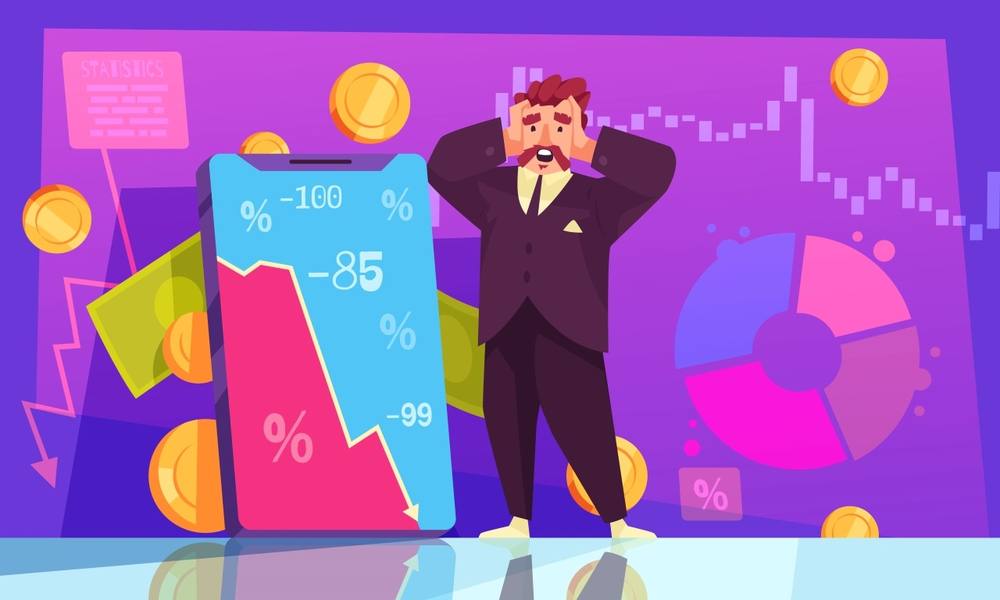
Risk identification and analysis can increase the level of business security and minimize losses
Foreign economic activity is associated with a wide range of risks affecting the successful conclusion and execution of international contracts. Risk identification and analysis can increase the level of business security and minimize losses. Consider the main types of risks, their classification and how to manage them.
Classification of FEA risks
Risks of foreign trade are divided into several categories depending on their nature and degree of influence:
In terms of impact:
- Permissible:
These risks do not significantly affect the overall course of foreign economic activity. As a rule, their impact is temporary and does not require large costs to eliminate. An example is a slight fluctuation in the exchange rate, which is offset by current financial reserves.
- Critical:
Such risks can significantly affect the fulfillment of contractual obligations or lead to financial losses. To minimize critical risks, prompt intervention is required, for example, reviewing logistics schemes in case of supply disruptions or applying hedging in case of sharp changes in the exchange rate.
- Catastrophic:
These risks may result in the complete termination of the company’s operations or contractual obligations. Examples include the nationalization of property abroad or armed conflict. Addressing such risks requires large-scale crisis management.
Due to the occurrence of:
- Internal:
- Planning errors:
Incorrect forecasting of supply volumes, incorrect cost calculations or underestimation of the contract deadlines can lead to disruptions in work. For example, an incorrectly calculated supply of goods can cause its shortage or overproduction.
- Insufficient market research:
Ignoring external market features, such as consumer preferences, regulatory requirements or competition, leads to inefficient market entry and losses.
- External:
- Political factors:
This includes risks associated with changes in legislation, sanctions or restrictions on international transactions.
- Market factors:
Changes in market demand, price fluctuations or changes in the competitive environment can negatively affect companies.
- Macroeconomic factors:
Inflation, changes in the exchange rate of the national currency or a decrease in the solvency of the counterparty create significant risks.
Time factor:
- Permanent:
These risks are long-term and require systematic management. An example is tax policy changes that can make financial planning more difficult.
- Temporary:
Risks related to current circumstances, such as temporary supply disruptions due to weather conditions or delays due to changes in customs regulations.
Where possible to protect:
- Hedged:
Such risks can be minimized through financial instruments, such as hedging currency fluctuations through forward contracts or cargo insurance.
- Uninsured:
These are risks that are difficult or impossible to eliminate, such as political instability or natural disasters. Minimizing them requires business diversification and crisis response scenario planning.

Main types of risks
- Political risks
- Nationalization or expropriation of assets:
The threat of losing property abroad due to changes in host country policy. This may be due to the transfer of objects to state ownership.
- Restrictions on currency conversion:
Inability to transfer profits into the national currency of the company due to financial regulation.
- Military action and civil disorder:
Conflicts in the region can make it impossible to do business, disrupt supply chains, or damage a company’s assets.
- Financial risks
- Currency fluctuations:
Sharp changes in the exchange rate can lead to losses, especially in foreign currency settlements. This is especially true for companies with long contract cycles.
- Changes in loan and loan rates:
Increasing interest rates on loans can raise the cost of financing a business.
- Tax and customs duties:
Unforeseen changes in taxation or customs duties can make exports or imports less profitable.
- Commercial risks
- Denial of registration or certification of goods in the country of importation:
If the product does not comply with local standards, this may cause a ban on its sale.
- Risk of lost profits:
Loss of profits due to untimely market entry or ineffective marketing strategy.
- Production risks
- Lack of necessary technology:
Problems with implementing new technologies or upgrading equipment can reduce competitiveness.
- Inadequate training:
The lack of qualified employees to perform international tasks can cause errors or reduce the quality of products.
Ways to minimize risks
- Conducting Due Diligence. Preliminary inspection of counterparties and markets to assess financial condition and reliability.
- Use of insurance. Coverage of losses from force majeure or business losses.
- Conclusion of contracts with clear conditions. Consideration of all possible risks and detailed allocation of liability of the parties.
- Hedging currency risks. Use of financial instruments to protect against currency fluctuations.
- Diversification of suppliers and markets. Reducing dependence on one region or partner
- Constant monitoring of legislative changes. Updating the terms of contracts in accordance with current legal norms.
FEA carries significant risks, but they can be effectively minimized with the correct organization of processes and the use of protective tools. An integrated approach to risk management ensures the sustainability of business and its successful development in international markets.