Closed Internet in China: features and limitations
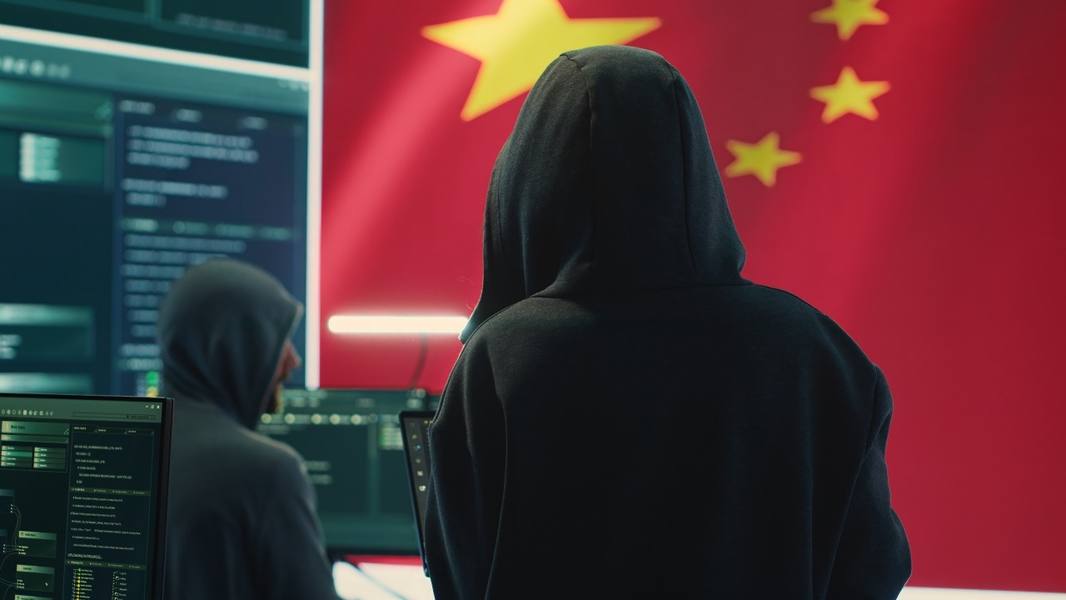
The Internet in China is a closed ecosystem, completely controlled by the state.
The Internet in China is very different from the Internet in other countries. It is closed from most Western services, regulated by the state and has its own unique features. In this article, we'll look at this. Why China restricts Internet access, how it is implemented, what works and what does not, and how users bypass the blocking.
Why is the Internet closed in China?
Restrictions on the Internet in China are linked to government policies known as Cybersovereignty.. This is the concept that every country should control the Internet within its borders. The main reasons for this policy are:
1. Political stability and control of information
The Chinese government closely monitors the flow of information in the country. Banning foreign websites and social media prevents the spread of information that could cause social discontent or political instability.
2. Protection of national security
The Internet can be used to spread disinformation, espionage and cyber attacks. China believes that Western Internet companies can threaten the security of the country by collecting data on users.
3. Economic interests
The blocking of Western services gives Chinese companies the opportunity to develop their own analogues. For example, YouTube is popular in China. YoukuInstead of Google, BaiduInstead of Amazon, JD.com and Alibaba. This allows the money to stay in the country and stimulates the growth of the national technology sector.
4. Social and cultural characteristics
Chinese Internet culture is different from Western culture. The country actively promotes the values of collectivism and patriotism, and restrictions help to preserve traditional cultural norms and prevent the influence of Western individualism.
What websites and services are blocked in China?
The Chinese Internet Filter, known as The Great Firewall of China ?Great Firewall of China, GFWIt blocks thousands of websites.
Social media
- Facebook Facebook
Search engines
- Yahoo
- DuckDuckGo
Messengers
- WhatsApp WhatsApp
- Telegram
- Signal
- Viber
Video hosting and streaming platforms
- YouTube
- Twitch
- Netflix
Information resources
- Wikipedia
- BBC
- The New York Times
Cloud services
- Google Google Drive
- Dropbox
- OneDrive
In addition, various news sites, blogs and platforms are periodically blocked, which appear “inconvenient” for the Chinese government.

What services work in China?
Despite the blockages, there are many in China. local alternatives Western services, often offering even more features than their foreign counterparts.
Search engines
- Baidu (similar to Google, but with censorship)
- Sogou
- Shenma
Social media
- WeChat (similar to WhatsApp + social network + payments)
- weibo (similar to Twitter)
- Xiaohongshu (similar to Instagram)
- douyin (Chinese TikTok)
Video platforms
- Youku (similar to YouTube)
- iQIYI (Netflix analogue)
- Bilibilili (similar to Twitch and YouTube)
E-commerce
- Alibaba (Amazon analogue)
- JD.com
- Pinduoduo
Cloud services
- Baidu Cloud
- Alibaba Cloud
- Tencent Cloud
Navigation and mapping services
- Baidu Maps
- Amap (Gaode Maps)
Messengers
- QQQ
How do you get around lockdowns in China?
The most popular method is the use of VPN (Virtual Private Network). However, the Chinese authorities are actively fighting this:
- It only works. paid and private VPN servicesThe free ones are quickly blocked.
- Using a VPN without a license is illegal and punishable by fines.
- The government regularly updates filters, blocking even large VPNs.
Other ways around:
- Private proxy servers (But they are often blocked too).
- Cloud tunnels (Shadowsocks, V2Ray) They are more difficult to detect, but they require technical knowledge.
How do Chinese authorities control the internet?
China applies multilayerIt includes laws, technology and the human factor.
1. The Great Firewall of China (GFW)
Automatically blocks banned sites by keywords and IP addresses.
2. Legal restrictions
- Cybersecurity Act All companies are required to store user data on Chinese servers.
- Ban on anonymity A passport is required to register on social networks.
3. Monitoring of social networks
Public services monitor and remove publications that may cause instability.
4. Self-censorship of companies
Chinese IT companies are required to filter content and remove prohibited materials.
The Internet in China is closed ecosystemIt is completely controlled by the state. Despite the blocking, there are many local services in the country that are replacing Western counterparts.
If you’re going to work in China or are a frequent visitor, take care of installing a VPN in advance and research your local digital platforms.