China’s Free Zones: Value and Bonuses
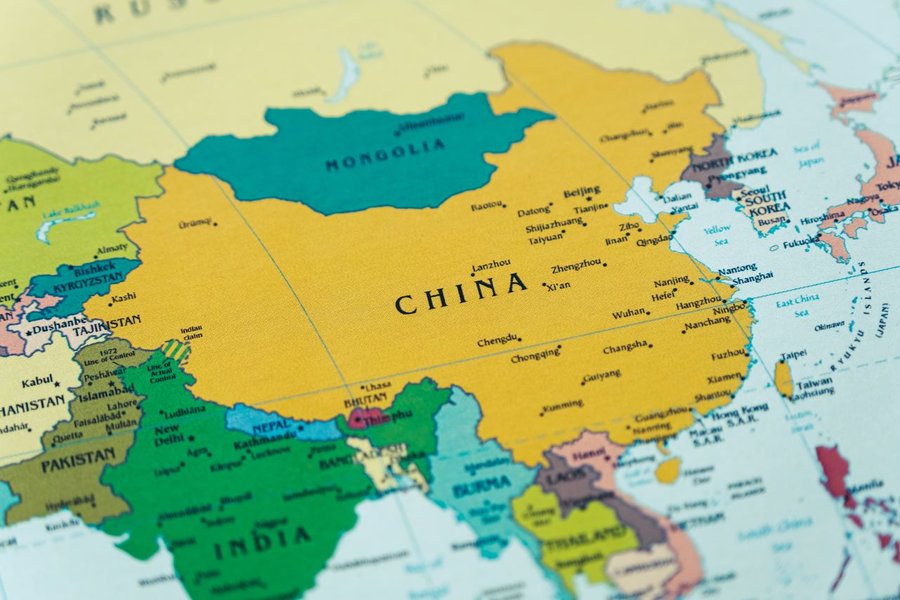
Free Economic Zones (FEZs) in China play an important role in the country’s economic development, attracting foreign investment, stimulating exports and promoting the development of new technologies. This article will take a detailed look at the value of Chinese free zones, the bonuses provided, the main zones, and the legal forms commonly used when setting up companies in these zones.
Importance of SEZs in China
Free Zones in China are of strategic importance for:
- Economic growthFree zones contribute to the accelerated economic development of regions and the country as a whole.
- Attracting investment: Thanks to preferential terms and simplified bureaucracy, free zones attract significant foreign and domestic investment.
- Technological progressFEZs are becoming centers of innovation and technological development, attracting high-tech companies and startups.
- International trade: Simplified trade procedures and tax incentives contribute to increased exports and imports.
Bonuses and benefits in the Chinese FEZ
Companies operating in the Chinese FEZ can expect the following advantages:
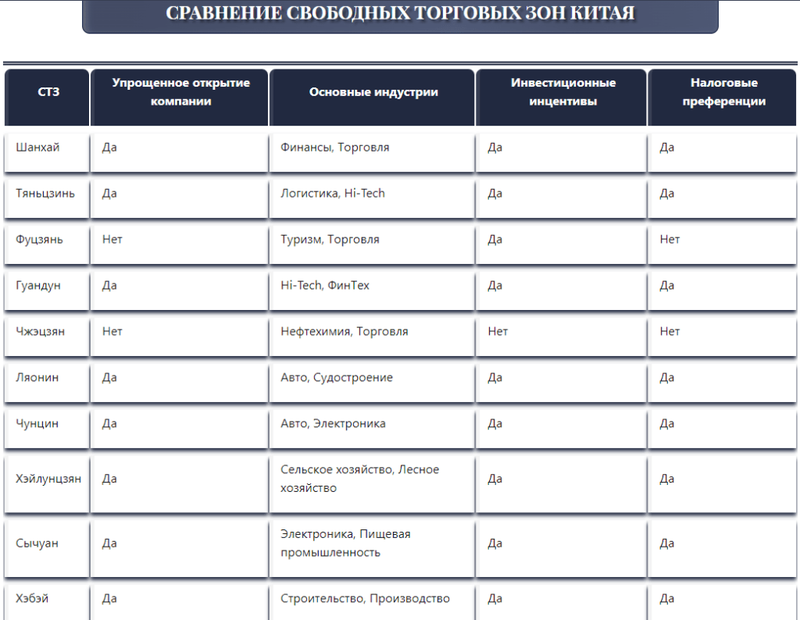
- Tax benefits: Reduced income tax rates, exemption from import and export taxes.
- Simplified procedures: Reduction of bureaucratic barriers to registration and business.
- Financial incentivesGrants, subsidies and concessional loans to support startups and innovative projects.
- Infrastructure: Developed infrastructure, including transport, logistics and utilities.
- Operational advantages: Free zones provide accelerated customs procedures and the possibility of free currency transfer.

Main Free Zones of China
1. Shenzhen Special Economic Zone (Shenzhen FEZ)
DescriptionShenzhen FEZ, established in 1980, was the first and one of the most successful free zones in China. It has evolved from a small fishing village into a metropolis and a global technology hub.
Features:
- Center for High Technologies and Innovation.
- Big tech companies like Huawei and Tencent.
- Developed infrastructure and logistics.
2. Shanghai Pilot Free Trade Zone (Shanghai Free Trade Zone)
Description: Established in 2013, the Shanghai FTZ is the first of its kind in China and serves as a pilot site for new economic and administrative reforms.
Features:
- Financial innovation, including the free movement of capital.
- Trade and investment liberalization.
- Development of services, including health and education.
3. Tianjin Free Trade Zone (Tianjin Free Trade Zone)
Description: Established in 2015, the Tianjin FTA aims to boost international trade and logistics.
Features:
- Development of logistics and transport services.
- Emphasis on maritime trade and port services.
- Industrial production and processing.
4. Guangzhou Free Trade Zone (Guangzhou FTZ)
DescriptionGuangzhou FTZ was established in 2015 and has become an important center for international trade and investment.
Features:
- Development of trade and logistics.
- Emphasis on innovation and high technology.
- Cooperation with neighboring Asian countries.
Legal Forms for Establishing a Company in Freezone China
1. Joint Ventures (joint ventures)
Description: Joint ventures are companies established with the participation of Chinese and foreign partners. They allow foreign investors to leverage local expertise and resources.
Advantages:
- Access to local markets and resources.
- Risk reduction through partnerships with Chinese companies.
2. Wholly Foreign-Owned Enterprises (WFOEs)
DescriptionWFOEs are companies wholly owned by foreign investors, allowing them to have full control of the business and make all profits.
Advantages:
- Total control of the business.
- Ability to make independent decisions.
3. Representative Offices (Representative Offices)
Description: Representative offices allow foreign companies to be present in China without doing business.
Advantages:
- Easy to register.
- The opportunity to study the market before opening a full-fledged company.
4. Partnerships (Partnership Enterprises)
DescriptionPartnerships in China can include both foreign and Chinese partners. This form is suitable for small and medium-sized businesses.
Advantages:
- Flexibility in management.
- Ability to attract various resources and competencies.
China’s free zones play a key role in the development of the country’s economy, providing unique business and investment opportunities. With a variety of benefits and developed infrastructure, they attract both large international corporations and small businesses. The choice of a suitable legal form for creating a company in the FEZ depends on the specifics of the business and the strategic goals of the investor.