F&L – Finance and Insurance in Logistics
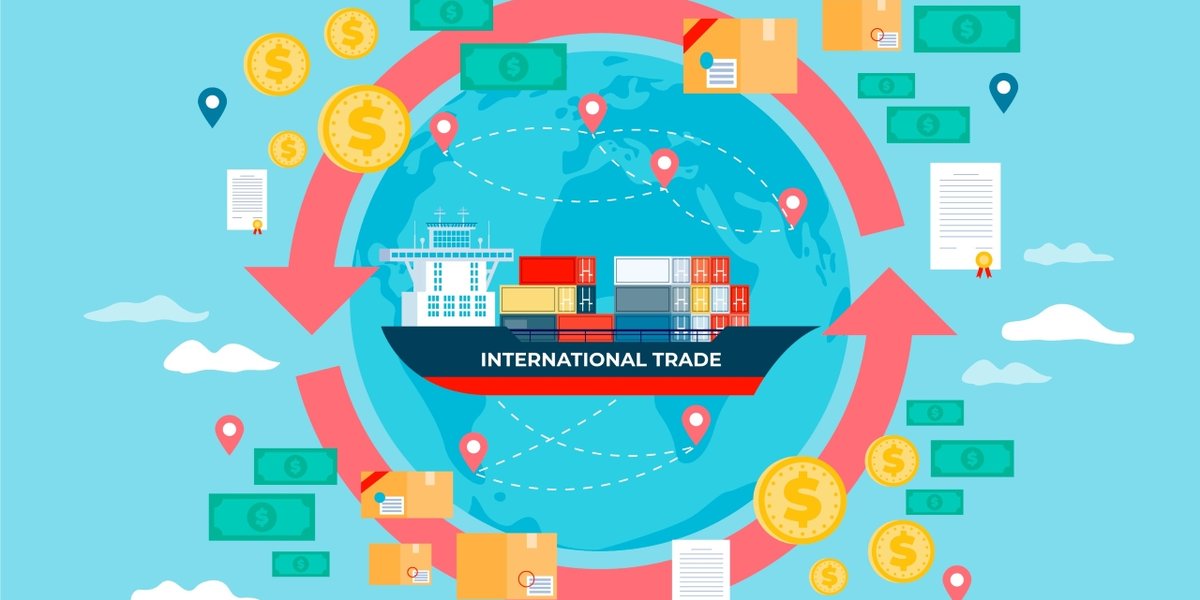
In logistics, it is assumed that the main risks - It's timelines and routes.
In practice, the most painful losses occur in the area. F&L (Finance & Logistics) Where money, responsibility and risk converge.
This is where businesses often pay not for mistakes. for not understanding the game.
Why Finance and Insurance Are Logistics Weaknesses
Logistics has long been a complex system: several countries, currencies, counterparties and stages.
But the financial and insurance part often remains formalized “on a residual basis”.
As a result:
- There are risks, but not recorded
- money paid but not protected
- Responsibility between participants
F&L - It's not about formalities. It's about, Who pays when something goes wrong?.
The financial side: where there are hidden losses
Most problems begin with contracts and settlements.
Opaque structure of payments, lack of fixation of responsibility, weak detailing of services - All this turns logistics into a black hole for the budget.
Schemes where:
- Payment is for service, not for result
- Currency risks are not distributed
- Fines and downtime are not prescribed in advance
In such cases, the business bears the cost even when formally “no one is to blame.”
Insurance: The Illusion of Protection
Many believe that if the cargo is insured, then the risk is closed.
This is one of the most dangerous mistakes in logistics.
Insurance equal automatic payment.
It only works within the framework of:
- contract
- risk list
- Correct paperwork
In practice, insurance is often:
- It does not cover real scenarios.
- eliminates delays and downtime
- Does not work for errors in documents
There is an insurance policy and compensation. - Nope.

Where conflict of interest occurs most often
F&L - zone where the interests of the participants match.
The carrier minimizes liability.
A freight forwarder sells service, not risk.
The insurance company protects its exceptions.
And business remains extreme.
If you don't record in advance:
- liability
- financial implications of disruptions
- compensation
Then the entire load automatically falls on the cargo owner.
Why F&L is critical on unstable routes
When routes are longer and controls are tighter, the role of finance and insurance increases dramatically.
Each additional congestion, transit or intermediary not only increases the time, but also increases the time. financial vulnerability.
In such a situation, F&L is not a supporter. survival business.
How to build a working model for F&L
This is not about expensive insurance, but about the right architecture.
Working model:
- financial results, not the process
- bind money to responsibility
- It insures real risks, not abstract ones.
- Does not leave gray areas between participants
It doesn’t reduce risks to zero, but it does. manageable and predictable.
F&L - This is not an additional service or a tick in the contract.
This is the point where logistics either protects a business or begins to disrupt it.
In the face of tight market controls and unstable routes
Finance and insurance become as strategic as the route itself..
It is here that the question of who pays for failures is solved. - market or you.