“Presentation decides”: the key to success in negotiations
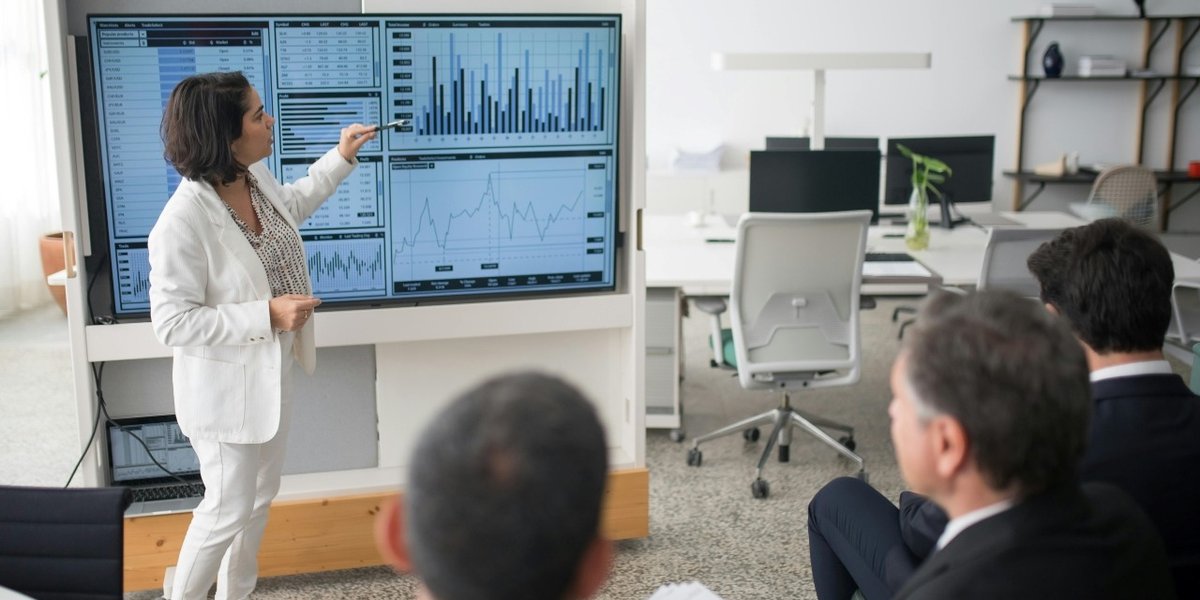
In international negotiations, a presentation is not just an illustration of your words. It's a tool that works. trust. perception. decision making. In a world where partners speak different languages and come with different backgrounds, A quality presentation can solve more than an hour-long discussion.
Let’s take a look at why presentation is a critical element of negotiation and how to make it a powerful argument in your business game.
Presentation as a tool of trust
International context
In negotiations between companies from different countries The visual part often replaces the cultural context.. What is obvious to you in words may be incomprehensible to your partner. The presentation provides a visual anchor and reduces the risk of misunderstanding.
What demonstrates a good presentation:
- Preparedness,
- Professionalism,
- Strategic thinking,
- Respect for your partner.
When you show a presentation, you make it clear: “I appreciate your time and I’m willing to speak the universal business language of visualization.”
Presentation strengthens arguments
Words are quickly forgotten. Figures, charts, graphs remain.
If you wish:
- Convinced of the reliability of supplies,
- show the benefits of partnership,
- explain the structure of the transaction don't expect to talk. Visualization of these arguments in the presentation Multiply their effect.
Example: If you show not just the phrase “we have a low cost,” but a diagram of comparison with competitors, you reinforce your words with specifics.
What role does presentation play in negotiations
| Negotiation phase | The role of the presentation |
| See you later. | Attention-raising, summary |
| During the meeting | Anchor for discussion, visual support of arguments |
| After the meeting | Reminder of the essence, the basis for internal discussions of the partner |
This is often the case in international negotiations: The decision on the contract is made not at the meeting, but after it.When the presentation goes to lawyers, analysts and advisers. The better prepared it is, the higher the chance that Your position will be correctly presented and understood.

What should include an effective presentation
1. Briefness and clarity
No more than 10 or 15 slides. One slide, one thought.
2. Visual order
Infographics, icons, diagrams. The less text, the better remembered.
3. Localization
If you're negotiating with China, Make a duplicate in Chinese. With Germany, consider a structure that focuses on processes and precision. With the Arab countries – more cases and partner rhetoric.
4. Current data
Figures, charts, cases. Outdated statistics can destroy the impression.
5. Visual adaptation to the audience
For technical negotiations - diagrams, drawings, specifications.
For commercial – business logic, margin, growth.
For state structures - stability, security, reputation.
Intercultural Perceptions
| Country / region | What is important in the presentation |
| USA | Specifics, benefits, clear UTP |
| Germany | Structure, precision, lack of emotion |
| China | Respectful tone, overall picture + perspective |
| Middle East | Prestige, visual style, status arguments |
| Lat. America | Personal involvement, simplicity, openness |
Preparing a presentation that is culturally sensitive is respectful and a guarantee of productive dialogue.
Mistakes to avoid
- Too much text on the slides;
- Complex schemes without explanation;
- Lack of localization of the language;
- Inappropriate data;
- “Dry” visualization without accents.
Presentation in international negotiations is not an addition to the speech, second-person. She can:
- convince
- remember,
- Sell your idea better than any words.
In the context of linguistic and cultural differences, a good presentation becomes universal business toolIt is able to convey the essence and create the right impression – even when you have already left the meeting room.