Effectiveness of Advertising on Radio and TV
1073 views
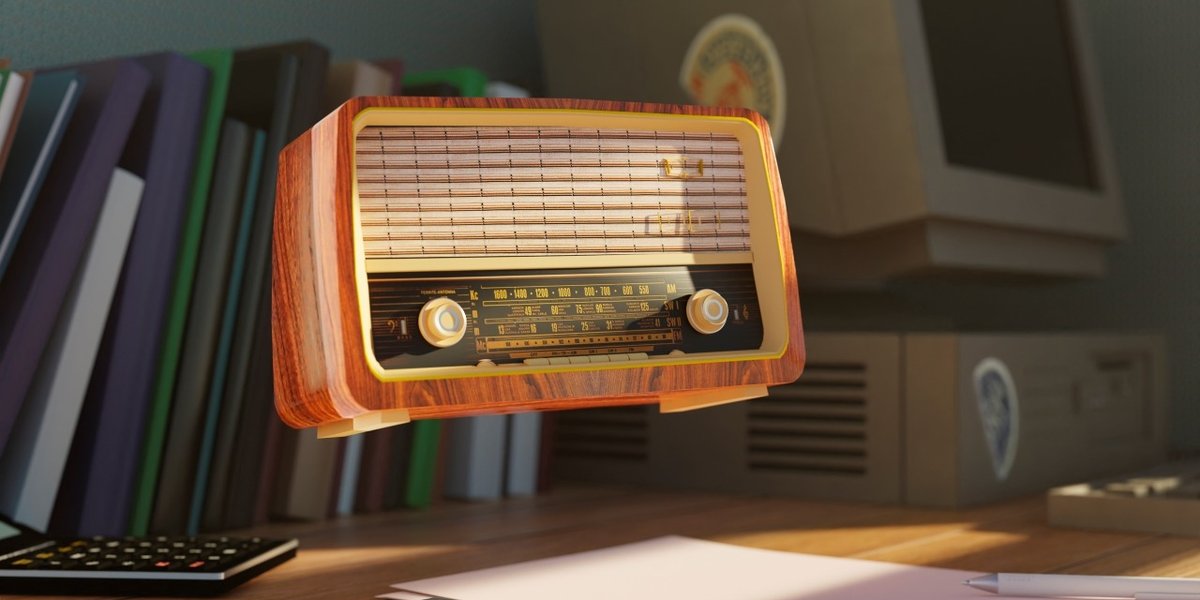
Advertising on radio and television is a time-tested way to promote brands, goods and services.
Advertising on radio and television is a time-tested way to promote brands, goods and services. Despite the development of digital platforms, these channels remain in demand due to a wide audience and unique formats for presenting information. Let’s look at their effectiveness from different angles.
Radio commercials
Advantages:
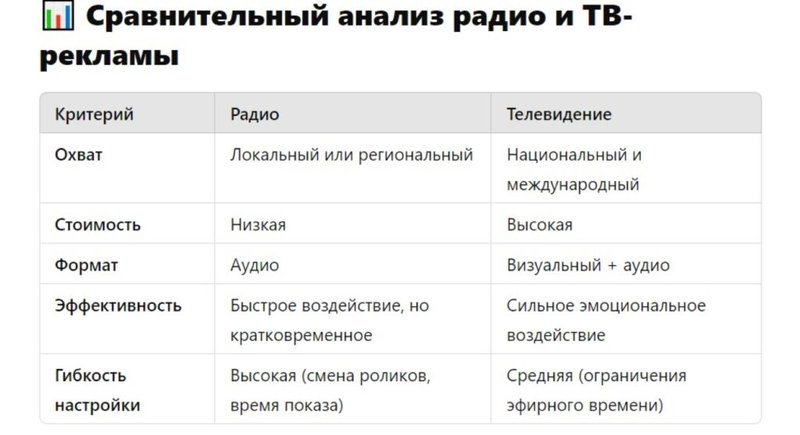
- Large local audience
Radio is particularly effective for local advertising. Regional stations cover specific groups of people, which allows a point impact on the audience. - Low cost of production
Creating an audio clip is cheaper than shooting video ads. - Audience mobility
Radio is listened to in the car, at work, at home and even on the go, making advertising available at all times. - Emotional impact
Music, voice announcer and sound effects can create memorable images.
Disadvantages:
- Limitations of visual perception
Audio format does not allow you to demonstrate a product or service visually. - Short-term effect
Radio advertising works in the moment, but is not stored in memory for a long time without frequent repetition.
Television commercials
Advantages:
- Extensive coverage
Television is one of the most powerful communication channels, capable of reaching millions of viewers simultaneously. - Visual component
Video allows you to show a product or service in action, causing stronger trust and interest. - High confidence
Television advertising is perceived as a more serious source of information. - Emotional impact
The combination of visual and audio content allows you to create memorable images.
Disadvantages:
- High cost
Television advertising and video production require significant investment. - Reducing audience
The growing popularity of streaming platforms and the Internet is reducing TV viewing, especially among young people. - Loss of attention
During advertising blocks, viewers often switch channels or get distracted by other activities.
Factors affecting the effectiveness of advertising
- Target audience
Success depends on the right channel and broadcast time. For example, young people are more likely to watch TV late at night, and radio listeners are more active in the morning. - Quality of content
Creative and emotionally engaging videos are remembered better. - Frequency and duration
Repeating key messages helps to anchor information in the minds of the audience. - seasonality
Advertising launched during holiday periods or during major events can be more effective.
How to improve the effectiveness of advertising?
- Combine channels
Using radio and TV in a single advertising campaign increases the chances of reaching an audience with different preferences. - Trend-based
For example, post videos on popular TV shows or work with radio stations that target your target audience. - Monitoring results
Use surveys and metrics (such as sales growth or social media mentions) to measure the success of a campaign.
Advertising on radio and TV remains an effective tool for promotion, especially if you correctly choose the audience, time and format of presentation. In the digital age, these channels successfully complement online advertising, helping businesses expand their reach and increase brand awareness.