Who is a member of the WTO and who is not in 2026?
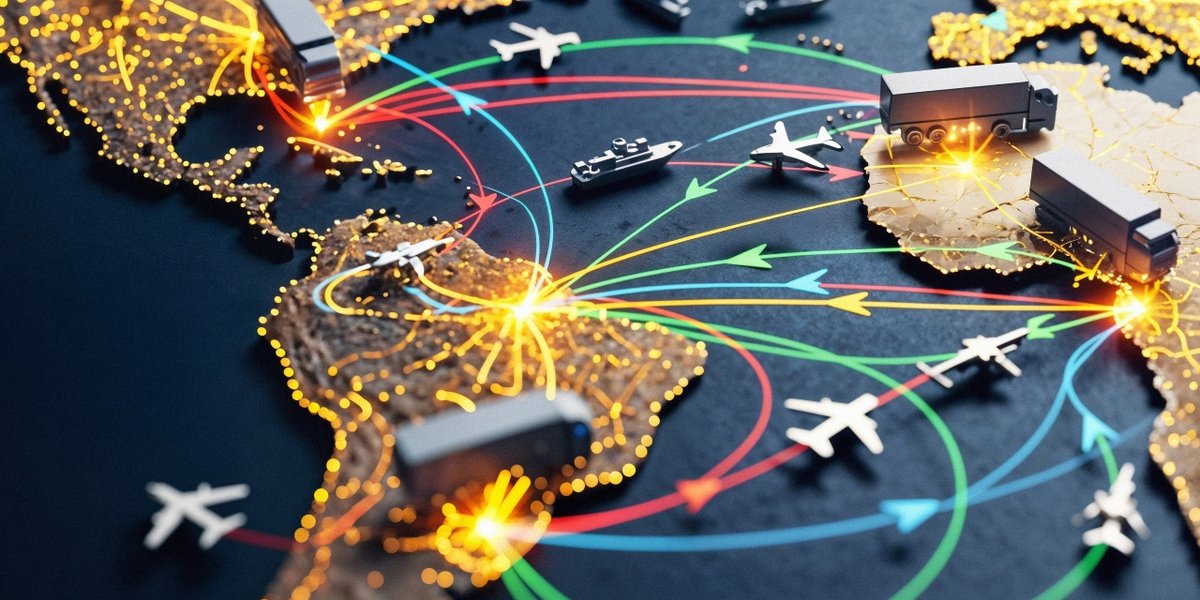
The World Trade Organization (WTO) has long ceased to be just an international club of interests. Today, it is one of the key institutions of the global economy that sets the rules of the game for world trade, from tariffs and subsidies to the resolution of trade disputes between states.
As of 2026, almost all economically important countries of the world are members of the WTO, and the organization covers more than 98% of world trade. However, there are still states that They are not members of the World Trade Organization.Observer countries in different stages of negotiations.
Understanding that, Which countries are members of the WTO and whyIt is important not only for economists, but also for business, investors and participants in foreign economic activity.
What is the WTO: History and Structure
The WTO was established in 1995 as the successor to the General Agreement on Tariffs and Trade (GATT). Main objective of the organization - To make international trade more predictable, transparent and fair.
Key principles of the WTO:
- non-discrimination (Most favored nation treatment);
- reducing trade barriers;
- transparency of trade policies;
- dispute resolution between member countries.
In fact, the WTO - It is a platform where countries agree on trade rules and commit to complying with them.
WTO member countries
How many countries are members of the WTO
Early 2026 164 countries are members of the World Trade Organization. These are almost all the major economies of the world: the USA, China, EU countries, Japan, South Korea, Canada, Australia and others.
The full list of countries that have joined the WTO is usually grouped as follows:
- by region (Europe, Asia, Africa, America);
- on the date of entry.
Most developing countries joined the WTO in the 2000s and 2010s, relying on market access and protecting their interests.
When Russia joined the WTO
The following issue deserves special attention: When Russia joined the WTO.
Russia became a member of the organization 2012After nearly 18 years of negotiations - One of the longest in the history of the WTO.
Advantages of Russia’s accession to the WTO:
- formal access to foreign markets;
- the opportunity to participate in mechanisms for resolving trade disputes;
- More transparent terms of trade.
At the same time, the challenges were also significant: increased competition and the need to adapt domestic industries. In the years that followed, the effects of sanctions have partially offset the classic benefits of membership, but formally Russia remains a member of the WTO.
Observer countries in the WTO
Who are the observers?
WTO observer countries – States that are not members of the organization, but officially participate in its work and are preparing (or considering) membership.
Observer status gives the right to:
- attend meetings;
- study procedures and rules;
- negotiate membership.
However, observers non-voting They do not have all the rights of WTO members.
Why countries remain observers
The reasons are different:
- protracted negotiations;
- non-compliance of domestic legislation with WTO requirements;
- political or sanctions restrictions.
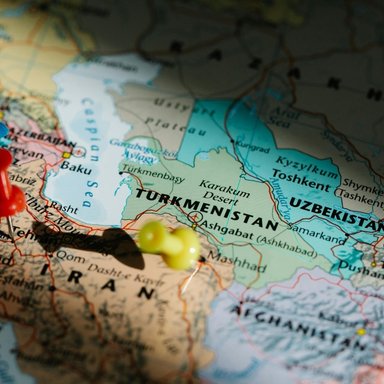
A classic example Uzbekistanwho are actively moving along the path of entry.

Non-WTO countries: full list and categories
For 2026, there is List of countries outside the WTOwhich can be divided into several categories.
Economically important countries outside the WTO
- Iran
- Algeria
- Sudan
- Belarus
These are countries with a significant economy, but a complex political and sanctions agenda.
Isolated States
- North Korea
Here, the reason is obvious. - closed economy and lack of integration into world trade.
Microstates
Some smaller countries simply do not see the practical benefits of membership.
Why some countries have not joined the WTO
Political causes
Sanctions, International Isolation and Conflict - key factors. For example, Iran and North Korea are outside the WTO for precisely these reasons.
Economic causes
Some countries fear that opening markets will hurt weak industries. Algeria and Sudan have long maintained a protectionist model.
Ideological causes
Criticism of the WTO as an instrument of interests of developed countries also plays a role.
Cases of CIS countries
- Belarus - The negotiations are complicated by sanctions.
- Turkmenistan - policy of neutrality and closure.
- Uzbekistan - active phase of negotiations, expected entry in the coming years.
Advantages and Disadvantages of WTO Accession
Benefits of joining the WTO
- reduction of customs tariffs;
- growth of exports;
- inflow of investments;
- access to the dispute resolution mechanism;
- predictability of trading rules.
The WTO offers special conditions and technical assistance to developing countries.
Deficiencies
- increased competition;
- Pressure on non-competitive industries
- Partial restriction of trade sovereignty.
In practice, it all depends on How ready is the country for systemic reforms?.
Future prospects: 2026–2030
It is possible to:
- introduction Uzbekistan (c) WTO;
- Resumption of negotiations with a number of CIS countries;
- reforming the organization against the background of conflicts between the United States and China.
Global developments - Pandemics, wars, climate risks - They are increasingly affecting the structure of world trade and the future of the WTO.
The World Trade Organization remains a key element of the global economy. Despite criticism and internal contradictions, it is WTO membership that gives countries access to systemic and predictable international trade.
Understanding that, Which countries are members of the WTO, which are outside the organization and why. - It is not an abstract theory but a practical tool for business, export and strategic planning.
In a world where trade is becoming increasingly politicized, knowledge of these processes - Real competitive advantage.