Beijing: Capital of China and Logistics and Industry Center
Beijing, the capital of the People’s Republic of China, is not only the political, economic and cultural center of the country, but also an important logistics hub. In this article, we’ll look at key logistics facilities, industrial industries, attractions, city markets, and the benefits of working with Beijing.
Beijing Railway Stations
1. Beijing Railway Station (Beijing Railway Station)
- Description: One of the oldest and largest stations in Beijing, serving both passenger and freight trains.
- Station code: 10001
- Address: No.A13, Maojiawan Hutong, Dongcheng District (рес13рес)
- Telephone: +86-10-51019999
2. Beijing East Railway Station (Beijing East Railway Station)
- Description: It mainly serves as a cargo station, serving the Jingbao, Jingcheng and Jingqin lines.
- Station code: 12158
- Address: No.7, Baiziwanlu, Chaoyang District (рес7рес)
- Telephone: +86-10-51835662
3. Beijing West Railway Station (Beijing West Railway Station)
- Description: One of the largest railway stations in Asia, serves passenger and freight trains.
- Station code: 21152
- Address: No. 19, Guanglian Lu, Fengtai District
- Telephone: +86-10-51824233
4. Beijing Container Terminal Station (Beijing Container Terminal Station)
- Description: The station plays an important role in facilitating the movement of goods both inside Beijing and to other parts of China. It is well equipped with modern facilities for efficient handling of a large volume of containers.
- Station code: BCT
- Address: 9 Jiajiayuan Road, Chaoyang District, Beijing, China
- Telephone: +86 10 6480 8171
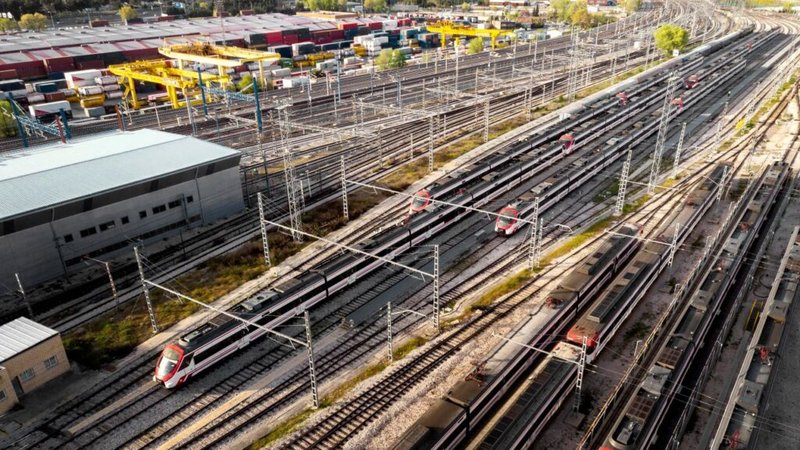
5. Fangshan Railway Hub (Fangshan Railway Hub)
- Description: Located in the southwest of Beijing, it is important for cargo transportation to Central and Western China.
- Address: Fangcheng District, Beijing, China
- Telephone: +86 10 8386 5267
- Station code: FSH
6. Yuanzhu Railway Hub (Yuanzhu Railway Hub)
- Description: It operates freight trains in southeast Beijing.
- Address: Yuanzhu Road, Binhu District, Wuxi City, Jiangsu Province, China
- Telephone: +86 510 8555 3021
7. Yuhe Railway Station (Yuhe Railway Station)
- Description: Located in the east of Beijing, it is important for freight transportation.
- Address: Yuhe Railway Station, Liuin West Street, Yulin, Shaanxi Province, China.
- Telephone: +86 912 2336092
- Station code: YATK (Bright Transport Code)
Beijing Port Container Terminal (Tianjin Port Group)
- Description: An important container terminal in Beijing operated by Tianjin Port Development Holdings Limited. The terminal plays a key role in freight traffic, providing an important connection between Beijing and international trade routes.
- Station code: 010.
- Address: Beijing Port Container Terminal (Tianjin Port Group) No. 12, Yuyang Road, Daxing District, Beijing, China
- Telephone: +86 10 6125 2222
9. Beijing Huaxin International Container Terminal
- Description: An important container terminal located in Beijing. It plays a key role in logistics and cargo transportation in the region.
- Beijing Huaxin International Container Terminal
No. 12, Huaxin Road, Daxing District, Beijing, China - Phone: +86 10 6125 6688 (the phone can be changed, it is better to clarify through the official website or contact details of the company).
- Station code: Code for Beijing is 010.
Key industries of Beijing
Beijing is a major industrial center with diverse sectors:
1. Information technology and high technology: The city has many IT companies, startups, research centers and universities. Includes software development, Internet technology, AI and cybersecurity.
2. Financial services: Major banks, financial companies, investment funds and insurance companies are based in Beijing, which is an important financial center of China.
3. Aviation and space industry: Beijing is home to aircraft manufacturers, space agencies and research centers that make planes, satellites and rockets.
4. The automotive industry: Companies such as Great Wall Motors and BAIC Group have offices and manufacturing facilities in Beijing.
5. Tourism and hospitality: Beijing with its many historical and cultural attractions attracts many tourists, which contributes to the development of the hotel industry and restaurant business.
6. Other industries: Production of telecommunications equipment, transport equipment, chemical products, mechanical engineering, metallurgy and food production.
Attractions of Beijing
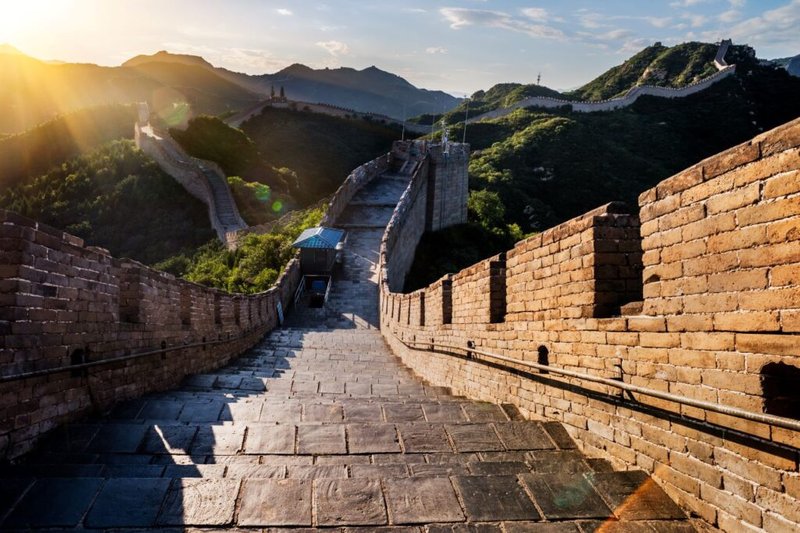
1. The Great Wall of China
The Great Wall of China, or Chang Cheng, is the largest monument of architecture, stretching for almost 9000 km. This majestic structure, listed as a UNESCO World Heritage Site, attracts millions of tourists from around the world.
Address: Huizhou, China, 101406
Telephone: +86 10 6162 6022
Website: www.badaling.cn/language/en.asp
E-mail: mutianyu@126.com
2. Summer Imperial Palace
The Summer Palace is the residence of the Qing Dynasty emperors and is known for its magnificent gardens and architecture. The park, included in the UNESCO World Heritage List, has more than 3,000 buildings.
Address: 19 Xinjiangongmen Rd, Haidian District, China, 100091
Phones: +86-10-6286-5056, +86-10-6288-1144
Website: www.summerpalace-china.com
3. Temple of Heaven (Tiantan)
The Temple of Heaven, the symbol of Beijing, served as a place of prayer for the rich harvest and prosperity of the Ming and Qing emperors. The complex includes many beautiful pavilions and temples.
Address: No.7, Neidongli, Tiantan, Dongcheng District, Beijing
Phones: +86-10-6701-2483, +86-10-6701-3036
Website: www.tiantanpark.com
4. Forbidden City
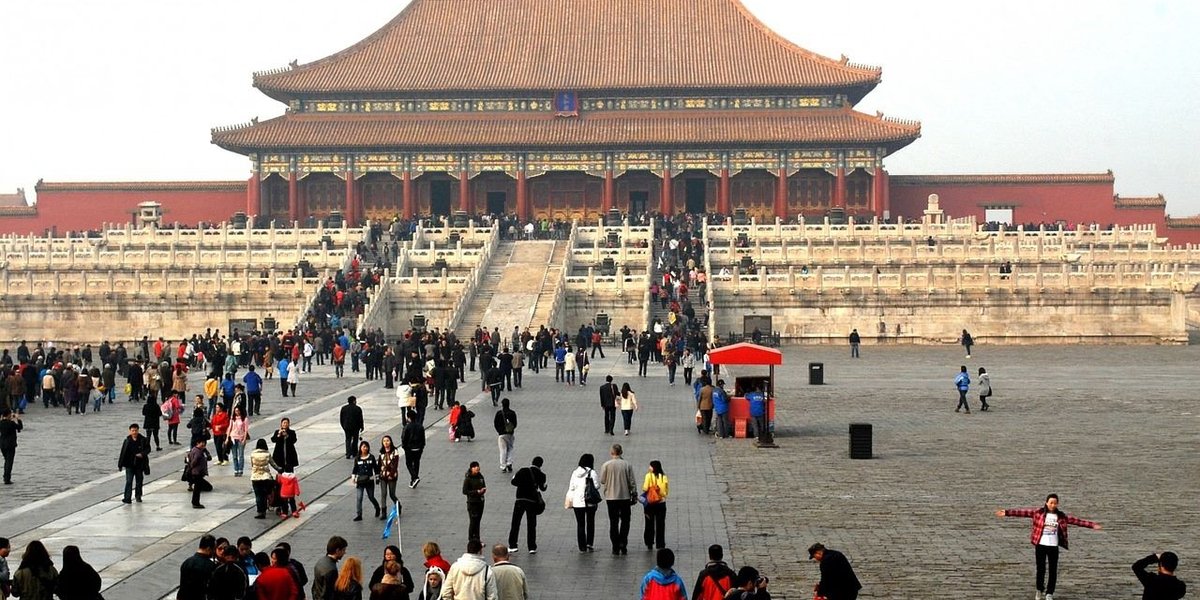
The Forbidden City, a former imperial residence, is one of Beijing’s top attractions. This huge palace complex, listed as a UNESCO World Heritage Site, was home to 24 emperors of the Ming and Qing dynasties.
Address: The Palace Museum, No.4, Jingshan Qianjie, Dongcheng District, Beijing, 100009
Phones: +86-10-6513-2255, +86-10-85-11-7049
Site: www.dpm.org.cn
5. Tiananmen
Tiananmen Square, located in central Beijing, is the largest urban square in the world. It can hold about one million people and is a symbol of Chinese political life.
Address: Tiananmen Square, Beijing
Website: http://beijing.roadplanner.ru/tian/tiankod.html
Beijing Markets
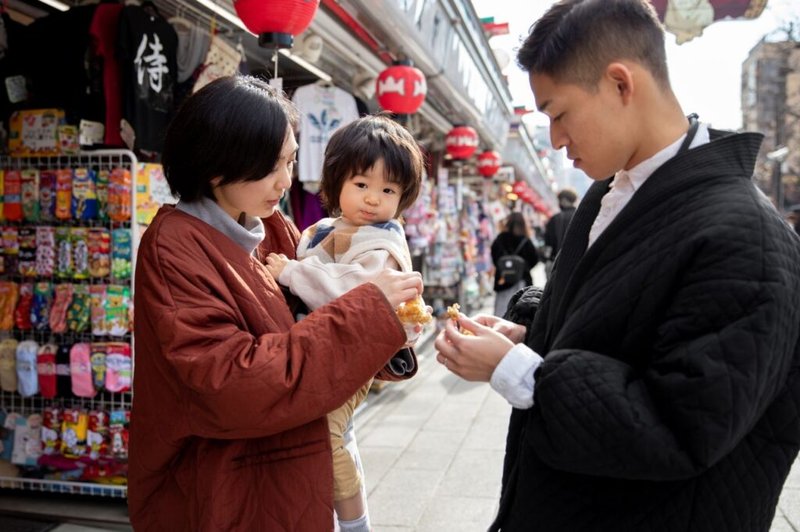
1. Pearl market (Hongqiao Pearl Market)
The Pearl Market, or Hongqiao Market, is a popular place to buy pearls, jewelry and souvenirs. The market attracts more than a million visitors annually, including celebrities such as Bill Clinton and Margaret Thatcher.
Address: No.9 Tiantan Donglu, Dongcheng District, Beijing
Telephone: 010-6711 9130
How to get there: Buses 39, 43, 60, 116, 610; metro station Tiantan East Gate.
2. Yabao Lu
Yabaolu is known for its stores selling goods for resale in Russia. Here you can find many factory shops, restaurants of Russian cuisine and taxi drivers who speak Russian.
Address: 16 Chaoyangmenwai Dajie and Yabao Lu, Chaoyang District, Beijing
How to get there: The nearest metro station is Chaoyang, Exit A. You can also take a taxi or bus number 44, 58, 139.
3. Silky market (Xiushui Street Market)
The Silk Market, also known as the Xushui Market, offers a wide range of products including clothing, cosmetics and accessories. Most of the buyers are tourists and expats.
Address: 8 Xiushui East Street, Jianwai Dajie, Chaoyang, Beijing
How to get there: Yong'anli Metro Station, Exit A.
4. The Panjiayuan Antique Market
The Panjiayuan Antiques Market, the largest flea market in Beijing, is an ideal place for antiquities lovers and collectors. Here you can find everything from antique furniture to traditional Chinese products.
Address: No.18 Huawei Li, Chaoyang District
Telephone: 010-51204673
Site: https://www.panjiayuan.com
How to get there: Panjiayuan Metro Station, Exit C
Privileges of working with Beijing
- Big market: Beijing provides ample business opportunities thanks to its huge domestic market.
- Capital status: Working in Beijing enhances business reputation and provides access to highly qualified personnel.
- Innovative infrastructure: The city has a developed infrastructure for high-tech enterprises.
- Tourist attraction: Beijing attracts many tourists, which creates opportunities for the development of the tourism industry.
- Government support: Various incentive programs and tax incentives contribute to business development.
Beijing is a dynamic city with many business and investment opportunities. Given its strategic importance and rich infrastructure, Beijing remains an attractive destination for business and innovation.