China strengthens global leadership
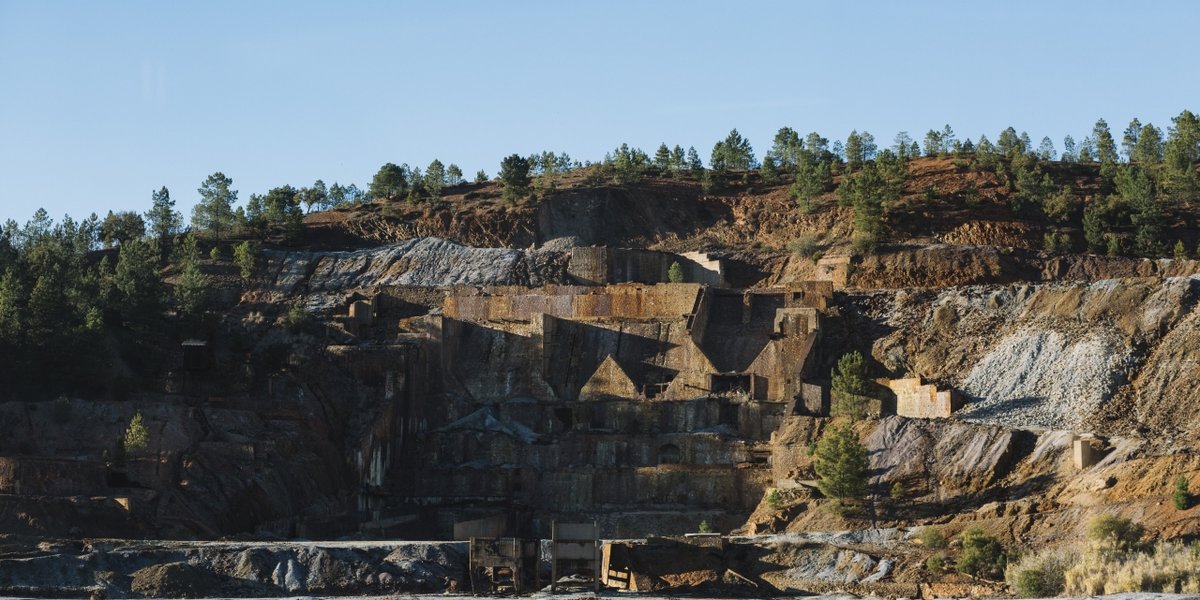
China has made a strategic discovery that could impact global markets for technology, energy and industry. The second largest deposit of rare earth elements in the world was discovered in Sichuan province, which further strengthens the country’s position as a world leader in this field.
Where the field is located and what exactly was found
The new discovery was made in the mining region of Maonyuping in southwestern China.
In the course of geological exploration, experts identified an additional 9.7 million tons of rare earth oxides.
This led to a sharp increase in confirmed reserves:
- elevation 300%
- field-classification globally significant
According to the Ministry of Natural Resources, it is now world's second largest rare earth deposit.
Comparison with the largest field
The leader remains the giant Bayan-Obo field in Inner Mongolia.
Key differences:
Bayan-Obo
- field
- China’s strategic base for decades
- developed mining infrastructure
Maonyuping (Sichuan)
- second-place
- fresh stocks with great growth potential
- An important reserve for the future market
In fact, China now controls China. Some of the largest rare earth mining sites on the planet.
What are rare earth elements and why are they important?
Rare Earth Elements (REE) - It is a group of metals critical to modern industry.
They are used in:
- electronics (smartphones, chips, displays)
- electric vehicles
- wind turbines and green energy
- defense industry
- laser and optical systems
Without them, it is impossible:
- production of high-tech products
- development of AI and microelectronics
- energy transition
The Geopolitical Significance of Discovery
China already dominates the rare earth market:
- It controls a large part of the world’s production.
- lead in recycling and cleaning
- Rules of the global supply chain
The new field reinforces:
1. Control of raw materials
China is a key supplier to the world.
2. Impact on prices
Stock growth = the ability to flexibly manage the market.
3. Technology leadership
Access to raw materials directly affects the development of:
- electric
- microelectronics
- VISA
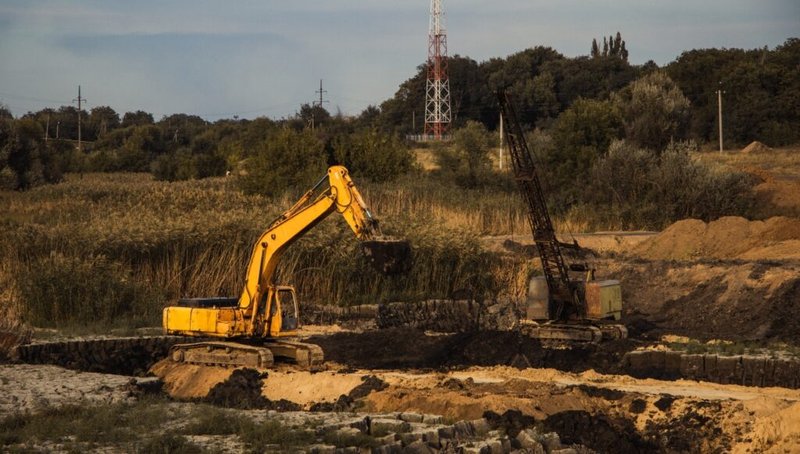
Impact on logistics and exports
For business, that means:
Growth of export flows
Increased production will result in:
- expansion of rare earth supply
- Increased freight traffic through Chinese ports
Strengthening railway routes
- transportation
- Active use of land corridors
Development of processing within China
China is not exporting raw materials, but:
- semi-finished
- finished
This is changing the structure of international trade.
Impact on production and factories
For industry, this discovery means:
- reducing the risk of raw material shortages
- Supply stability for Chinese factories
- Increased competitiveness of Chinese manufacturers
This is especially important for industries:
- electronics
- automotive
- powerhouse
Possible risks and limitations
Despite the positive, there are limitations:
Environmental requirements
Mining of rare earths is associated with:
- high pollution
- strict state control
Export regulation
China may:
- quota
- limit
Geopolitical pressures
Rare earths have already become an instrument of influence in world politics.
Opening in Sichuan - This is not just a geological event, but strategywhich:
- Increasing China’s global influence
- shifting the balance of commodity markets
- Impact on logistics, production and technology
Rare earths will become an even more important resource in the coming years, and China will become a major resource. - A key player in their distribution.